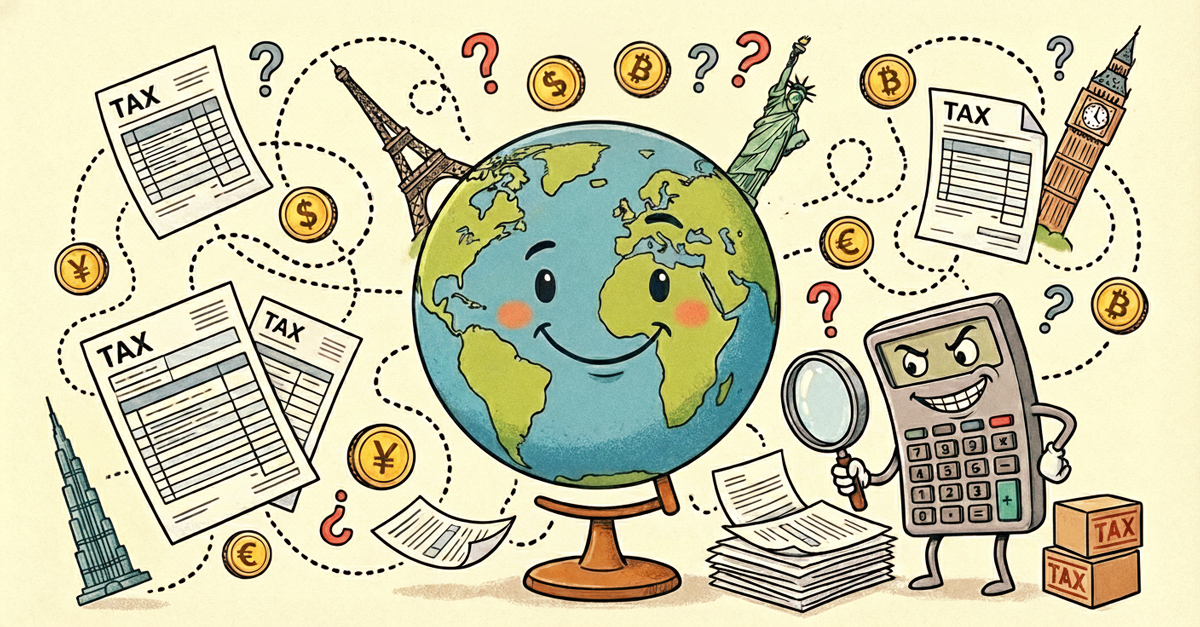
Forex trading may feel borderless, but taxes absolutely are not. The same winning trade can be taxed as regular income in one country, a capital gain in another, or not taxed at all—until it is. The real challenge isn’t the tax rate. It’s knowing how your country classifies your trading activity.
Here’s the clean, practical breakdown.
The three things that decide how you’re taxed
Almost everywhere, forex taxes hinge on the same trio:
Tax residency
Where you live for tax purposes usually matters more than your passport or where your broker is located.
What you trade
Spot FX, CFDs, futures, options, and forwards may all be taxed differently—even if the profit looks identical on your platform.
How you trade
Occasional investing and high-frequency, systematic trading can land in completely different tax buckets.
Get these three wrong, and everything downstream gets messy.
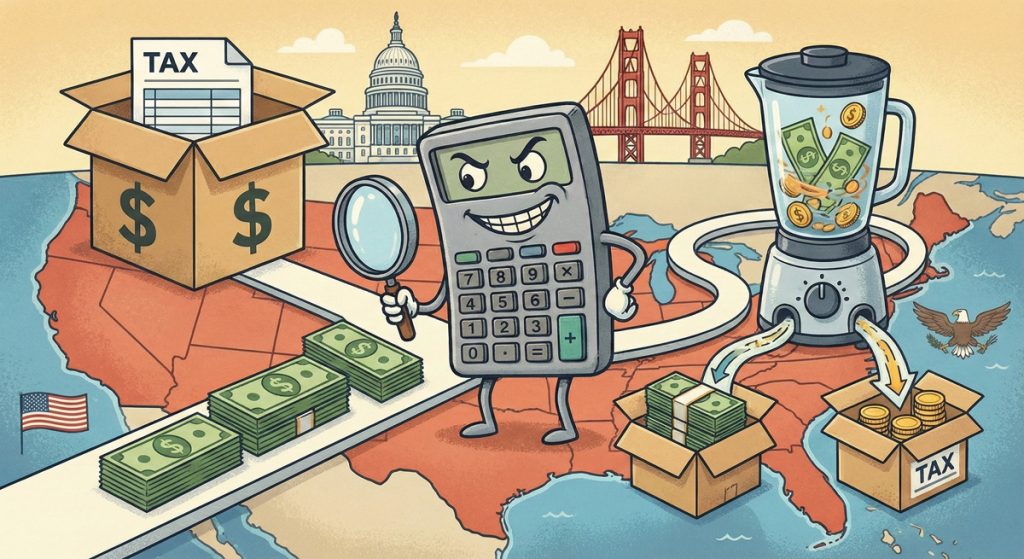
United States: ordinary income vs blended treatment
In the U.S., most retail spot forex trading is taxed as ordinary income, while certain regulated FX futures and options qualify for a blended capital gains treatment that can lower the effective rate.
Why it matters:
- Instrument choice alone can materially change your tax bill
- Losses behave differently depending on classification
- Elections and timing matter—miss them and the default applies
This is one of the few places where what you trade can be as important as how well you trade.
Canada: investor or business—choose carefully
Canada focuses heavily on whether your forex activity looks like investing or running a business.
Key realities:
- Profits are reported in Canadian dollars, not platform currency
- Frequent trading, leverage, and consistency can push you toward business income
- Consistency year to year is critical—changing narratives raises flags
Good records here aren’t optional; they’re your best defense.
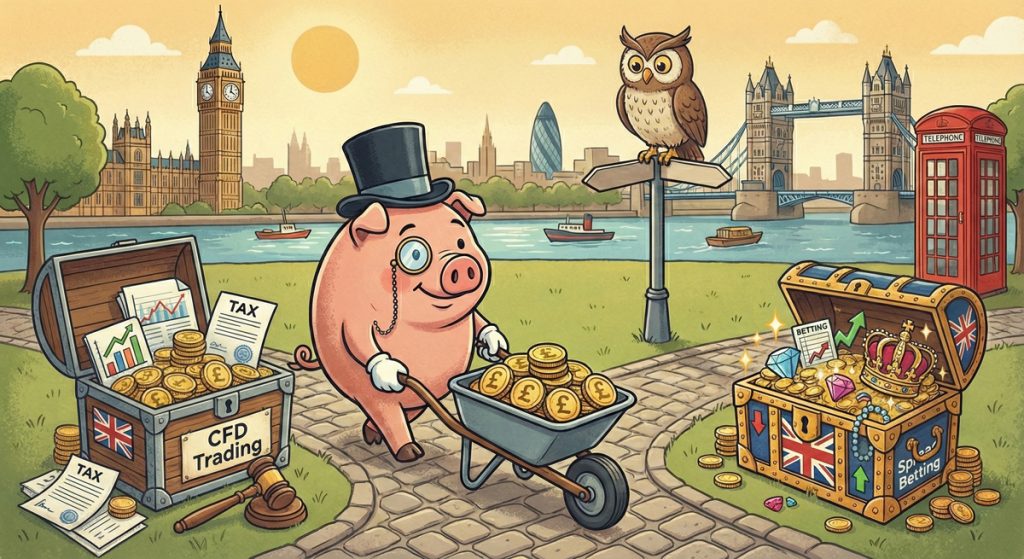
United Kingdom: CFDs vs spread betting
The UK is unique because spread betting is commonly treated differently than CFD trading.
In practice:
- CFDs are often taxed under capital gains rules
- Spread betting is widely viewed as tax-free for many individuals
- Heavy, professional-style trading can still trigger reclassification risk
Bottom line: product choice and behaviour both matter.
Europe: same continent, very different outcomes
There’s no “EU tax system” for forex.
- France commonly applies a flat investment tax framework
- Germany uses a flat investment income tax plus surcharges
- Spain taxes gains progressively as they rise
Add in different reporting rules and broker practices, and compliance quickly becomes country-specific.
UAE & Saudi Arabia: low tax, not no responsibility
Both the UAE and Saudi Arabia are known for having no personal income tax on individuals.
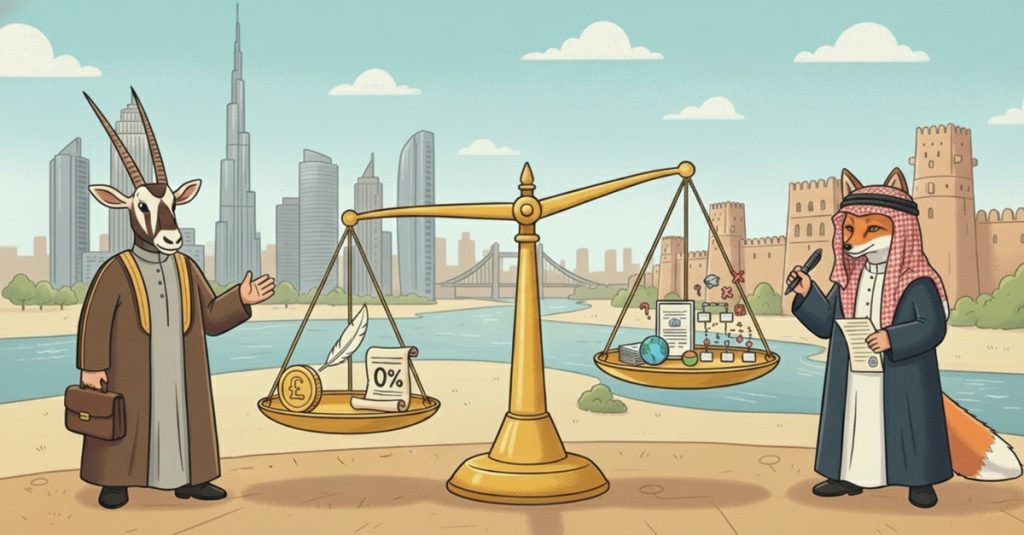
But don’t get careless:
- Trading through a company can introduce corporate tax
- Residency proof matters—especially for citizens of countries taxing worldwide income
- Cross-border reporting obligations may still apply elsewhere
Low tax jurisdictions reward structure, not assumptions.
Common mistakes that cost traders money
- Assuming broker location determines tax treatment
- Ignoring currency conversion rules when reporting
- Mixing instruments without understanding classification
- Treating losses as interchangeable across tax categories
- Poor or inconsistent record-keeping
Most tax problems don’t come from cheating—they come from guessing.
A simple compliance mindset
Serious traders keep it boring and clean:
- Export trades regularly
- Track instruments accurately
- Convert profits consistently into reporting currency
- Maintain a clear explanation of trading style and intent
- Know local deadlines before they know you
MarketMind Insight – In forex trading, taxes aren’t about how much you make—they’re about how your activity is defined. Treat tax structure like risk management: boring, deliberate, and built before things go wrong.