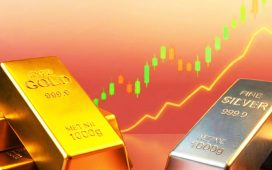

Gold’s strength in 2026 isn’t about panic—it’s about positioning. What’s lifting prices is a broader rethink of how portfolios, reserves, and currencies function in a more fragmented global system. Gold is being treated less like an emergency exit and more like permanent infrastructure.
The 2026 Upgrade: From “Hedge” to “Reserve Strategy”
Gold is no longer framed solely as protection against crisis events. In 2026, it is increasingly viewed as a strategic reserve asset—one that complements or partially substitutes traditional reserve holdings when political, settlement, and currency risks feel structural rather than temporary.
Key elements driving this shift:
- Policy uncertainty is now persistent, not episodic
- Reserve diversification is deliberate, especially among emerging and non-aligned economies
- Institutional demand is less price-sensitive, prioritizing resilience over short-term returns
Central Banks: The Demand Floor That Doesn’t Blink
Central banks continue to anchor long-term demand. Instead of tactical accumulation, gold buying has evolved into a strategic reallocation—one that creates a durable demand floor under the market.
Why this matters in 2026:
- Official buying reduces downside volatility by introducing structural demand
- Gold holdings increasingly serve as policy insurance, not speculation
- Higher prices are tolerated when the alternative is concentrated exposure to a single currency or payment system
Investment Demand: When Rates Become Supportive Again
Gold’s opportunity cost remains tied to real yields and policy expectations. As 2026 unfolds, shifting rate expectations and the possibility of easier financial conditions later in the year have reinforced gold’s role within diversified portfolios.
What’s different from past cycles:
- Investors are balancing “higher for longer” memories with forward-looking easing risk
- Gold allocations are framed around portfolio construction and volatility control, not fear trades
- Demand is showing up across multi-asset strategies rather than isolated hedge positions
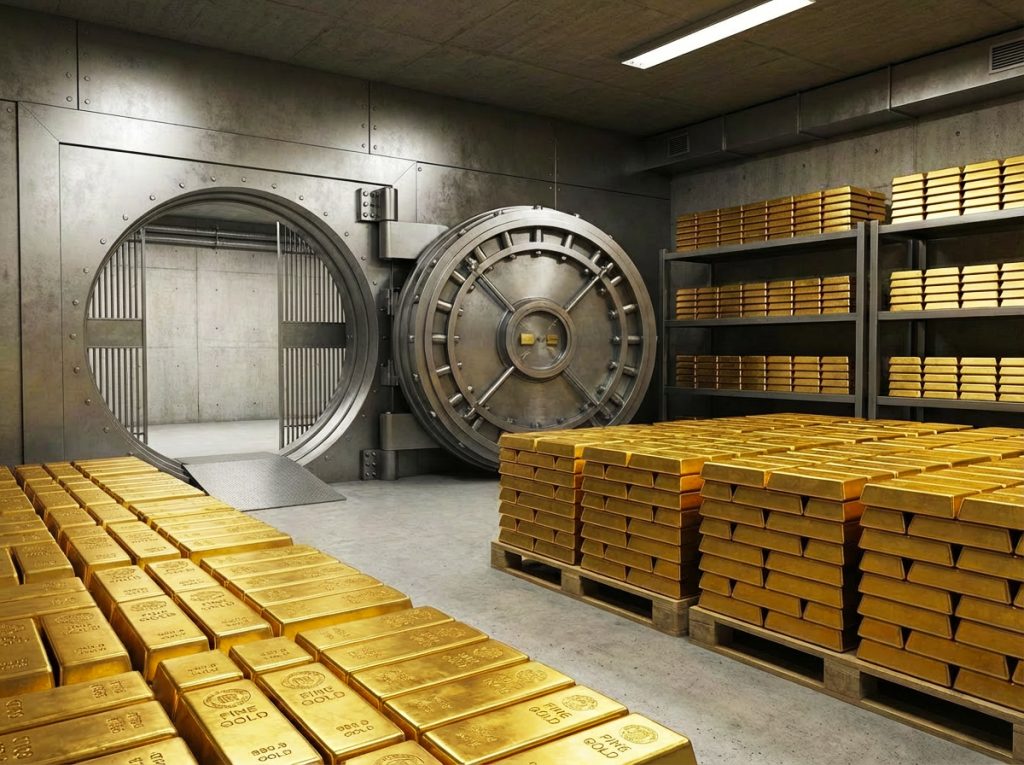
ETF and Institutional Flows: The Return of the Western Bid
ETF participation plays a critical role in amplifying gold’s momentum. When Western institutional capital re-enters through liquid vehicles, price moves tend to accelerate.
In 2026, the focus is on:
- Sustained ETF inflows, not short-term spikes
- Gold described as strategic ballast rather than tactical insurance
- Allocation shifts driven by volatility management and risk budgeting
Currency and Settlement Risk: The Quiet Driver
Gold’s defining feature remains its lack of an issuer. In an environment where trust in settlement systems, reserve currencies, and cross-border financial access is being reassessed, that attribute carries increasing weight.
The implication:
- Even if geopolitical tension cools temporarily, reserve-allocation logic persists
- Gold’s appeal is rooted in system design, not headlines
Physical Market Undercurrents
Gold’s momentum is reinforced by its diverse demand base:
- Central bank accumulation remains elevated
- Investment demand fluctuates with macro transitions
- Consumer demand becomes more price-sensitive at higher levels, creating a natural balancing force
This mix explains why gold’s 2026 strength is driven primarily by financial demand, not jewelry or retail consumption.
The 2026 Scorecard: What Actually Moves the Needle
Forget the generic “safe-haven” narrative. The real drivers this year are:
- Official-sector net purchases
- Real yield trends and policy expectations
- ETF flow persistence
- USD direction and FX volatility
- Sanctions risk and financial fragmentation
What Could Slow the Trend
Gold’s structural support does not eliminate cyclical risk. Momentum could soften if:
- Real yields rise meaningfully and persist
- The U.S. dollar enters a sustained strengthening cycle
- ETF flows reverse after crowded positioning
- Geopolitical and financial fragmentation de-escalate faster than expected
MarketMind Insight – Gold’s 2026 momentum reflects a redefinition of its role: central banks are anchoring long-term demand, while rates, currency dynamics, and institutional flows determine how quickly that foundation translates into higher prices.