
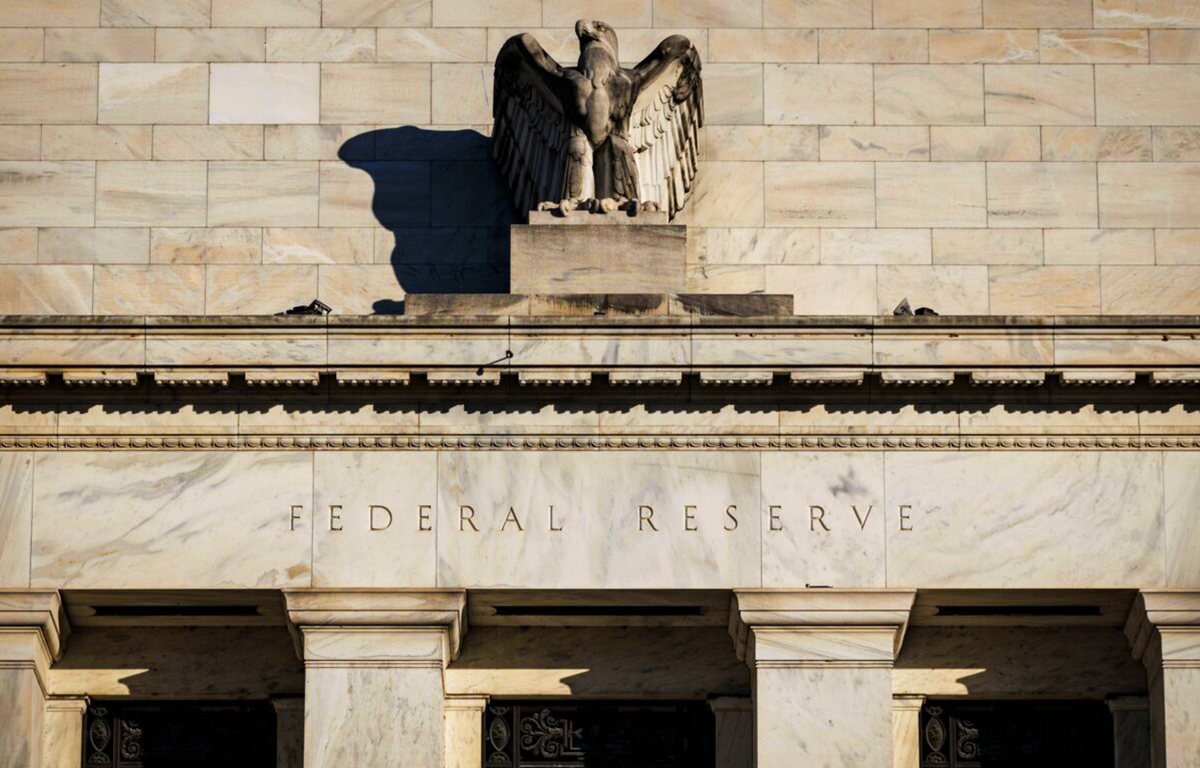
Currency markets are entering a pivotal stretch as traders position for the release of the latest Federal Reserve meeting minutes. While the rate decision itself may already be priced in, the tone and nuance within the minutes often reshape expectations for future policy. With inflation trends uneven and growth signals mixed, the document could recalibrate interest-rate projections — and trigger renewed volatility across major currency pairs.
For global investors in North America, Europe, Saudi Arabia, and the UAE, the implications extend beyond spot FX. Dollar direction influences commodities, emerging markets, cross-border investment flows, and hedging strategies.
Why the Fed Minutes Matter Now
Markets are attempting to answer three critical questions:
- Is the Fed leaning toward earlier rate cuts — or signaling “higher for longer”?
- How confident are policymakers that inflation is sustainably cooling?
- Are any members concerned about financial stability or growth risks?
Even subtle shifts in language around inflation persistence, labor market tightness, or balance sheet policy can move rate expectations — and by extension, the U.S. dollar.
USD: Policy Tone Sets the Direction
The U.S. dollar has shown resilience heading into the release, supported by relatively firm economic data and still-elevated yields. If the minutes reveal caution about cutting rates too quickly, the greenback could strengthen further as rate differentials remain favorable.
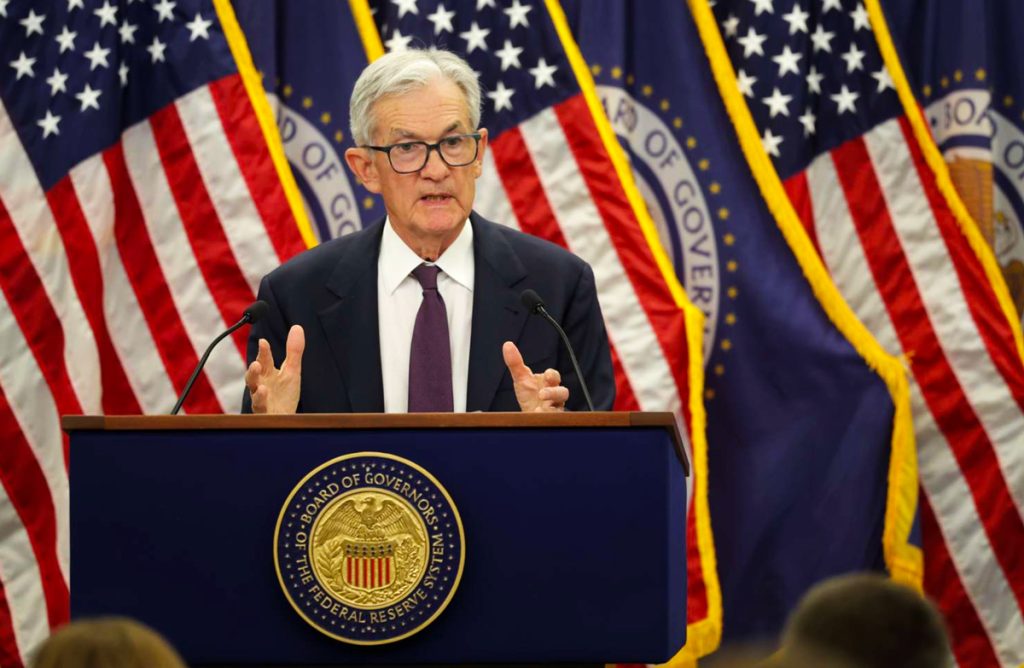
However, a more dovish interpretation — emphasizing slowing growth or disinflation progress — may pressure the dollar, particularly against higher-yielding or structurally undervalued currencies.
Key levels to watch:
- Dollar Index reaction around recent consolidation zones
- Treasury yield response (2-year especially sensitive to policy signals)
- Positioning data indicating crowded long-USD trades
For commodity-linked economies and Gulf markets, a stronger dollar can tighten global liquidity conditions and influence oil-linked currency dynamics.
JPY: Rate Differentials Remain the Core Driver
The Japanese yen remains highly sensitive to U.S. rate expectations. With Japan’s policy normalization path still gradual, the interest-rate gap between the Federal Reserve and the Bank of Japan continues to dominate USD/JPY price action.
A hawkish tone in the minutes:
- Reinforces yield differentials
- May push USD/JPY higher
- Increases intervention speculation if volatility accelerates
A dovish surprise:
- Narrows yield spread expectations
- Could trigger a sharp short-covering rally in the yen
USD/JPY is historically one of the most reactive pairs during Fed-related events, making it a focal point for volatility traders.
EUR: Balancing Fed Signals and ECB Policy
The euro’s reaction will depend not only on Fed tone but also on expectations for the European Central Bank. If the Fed appears more cautious about cutting than the ECB, EUR/USD could remain under pressure.

Conversely, if U.S. policymakers acknowledge downside risks more clearly than anticipated, the euro may find support.
Drivers for EUR/USD:
- Relative rate expectations (Fed vs. ECB)
- Eurozone growth trajectory
- Global risk sentiment
For European investors, currency swings directly impact equity allocations and export competitiveness.
Volatility Playbook: Strategic Considerations
High-impact events such as Fed minutes frequently produce sharp intraday moves. Prudent approaches include:
- Reducing leverage before release
- Waiting for confirmation rather than trading the initial spike
- Monitoring bond markets for directional confirmation
- Using options strategies to capture volatility without committing to a single direction
Institutional traders often look beyond the first reaction, focusing on whether follow-through confirms a broader repricing of rate expectations.
Broader Macro Implications
A sustained dollar rally could tighten global financial conditions, influencing:
- Emerging market capital flows
- Commodity pricing, including oil and gold
- Cross-border investment appetite
A softer dollar, meanwhile, may ease global liquidity conditions and support risk assets. Currency markets are not just reacting to past policy — they are constantly repricing the future.
MarketMind Insight – Fed minutes are less about what policymakers did and more about what they are prepared to do next. When rate expectations shift, currencies move first and fastest. Traders who focus on relative policy divergence — not just headlines — will be best positioned to navigate the volatility ahead.