The European Union is once again confronting a familiar vulnerability: energy. After a period of relative stabilization in 2024–2025, renewed volatility in global energy markets is reintroducing pressure on the Eurozone’s currency, growth outlook, and inflation trajectory. For traders and policymakers alike, the question is no longer whether energy matters—but how deeply it will shape the euro’s next move.
Energy Dependence Re-Emerges as a Macro Driver
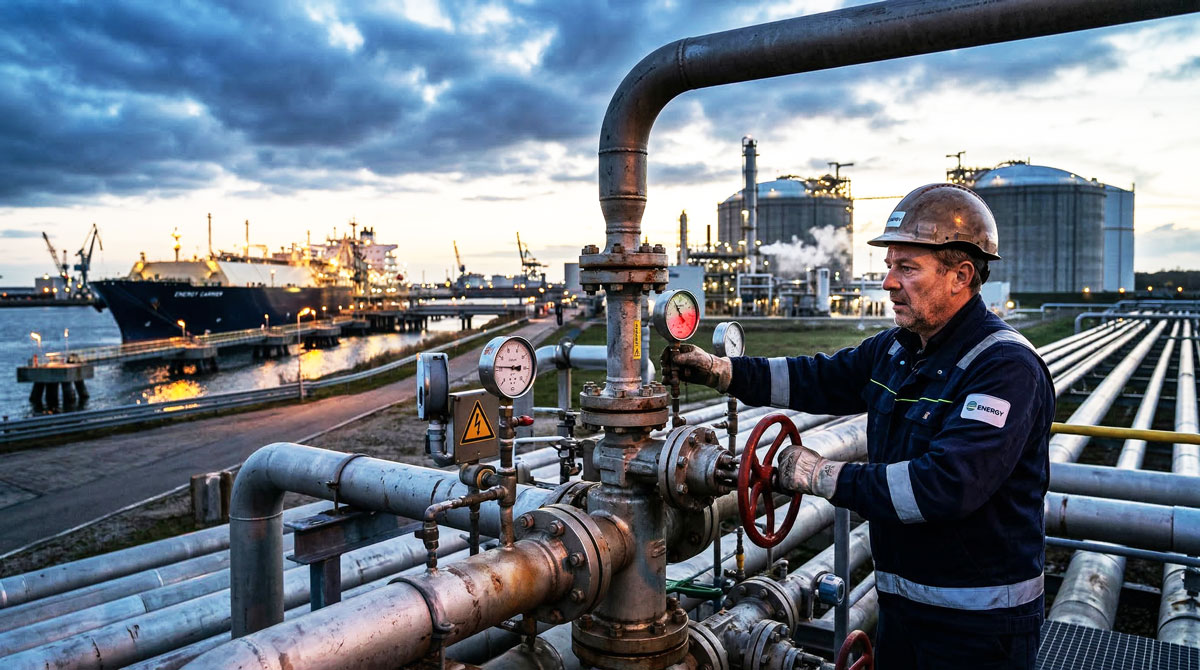
The Eurozone remains structurally exposed to external energy shocks. Despite progress in diversification and renewable investment, Europe continues to rely heavily on imported natural gas and oil. Recent tightening in global supply—driven by geopolitical tensions, production constraints, and stronger Asian demand—has pushed energy prices higher again.
This creates a direct challenge for the euro:
- Higher import costs weaken the trade balance
- Energy-driven inflation reduces real economic momentum
- Industrial output, particularly in Germany, faces renewed cost pressure
The result is a currency that becomes increasingly sensitive to commodity cycles rather than purely monetary policy signals.
Inflation Pressures Complicate ECB Policy
Energy inflation is uniquely problematic because it feeds into both headline and core inflation over time. Rising electricity and fuel costs eventually impact transportation, manufacturing, and consumer goods.
For the European Central Bank (ECB), this creates a policy dilemma:
- Tightening policy risks slowing an already fragile economy
- Looser policy risks allowing inflation expectations to re-accelerate
Unlike the U.S., where energy independence provides a buffer, the Eurozone must navigate inflation largely driven by external forces. This reduces the ECB’s flexibility and can lead to policy divergence with the Federal Reserve—often to the euro’s disadvantage.
Growth Risks Are Back in Focus
Energy costs act as a tax on economic activity. The sectors most exposed—manufacturing, chemicals, and heavy industry—are also core pillars of the European economy.
Key risks now emerging:
- Slower industrial production in Germany and Italy
- Reduced competitiveness versus the U.S. and Asia
- Lower business investment due to cost uncertainty
Even modest increases in energy prices can have outsized effects on European growth compared to other developed economies.
Currency Impact: Structural Weakness vs Cyclical Opportunity
From a currency perspective, the euro’s energy sensitivity creates both downside risk and trading opportunity.
Bearish pressures:
- Widening trade deficits during energy spikes
- Capital outflows toward more energy-secure economies
- ECB constrained relative to other central banks
Potential support factors:
- Faster-than-expected renewable transition
- Stabilization in global energy supply
- Fiscal interventions to shield industry and consumers
However, in the short term, energy volatility tends to act as a headwind rather than a tailwind for the euro.
The Strategic Shift: Europe’s Long-Term Response
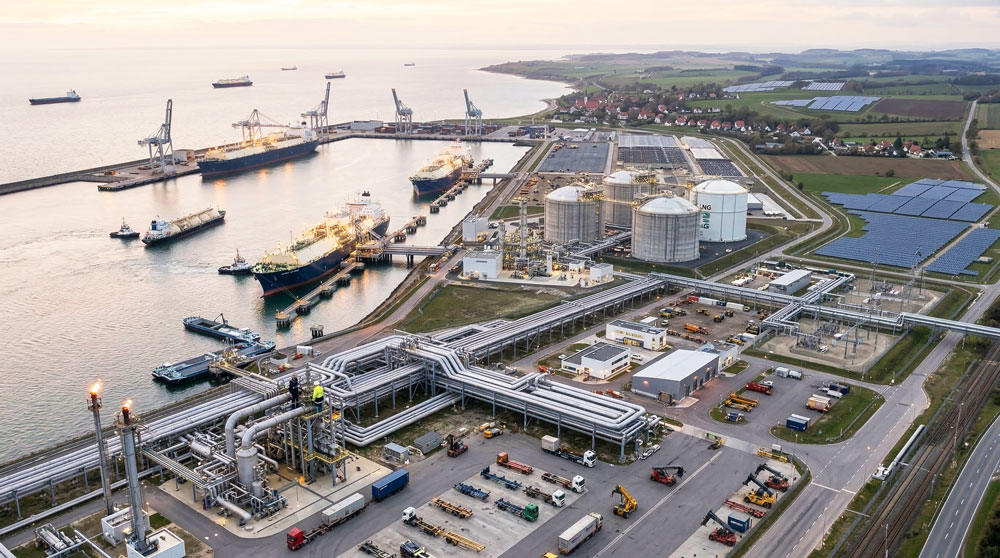
Europe is not standing still. Structural changes are underway:
- Expansion of LNG infrastructure to diversify supply
- Acceleration of renewable energy investment
- Increased focus on energy efficiency and electrification
These efforts aim to reduce long-term vulnerability, but they require time and sustained capital. In the near term, the euro remains exposed to the same external shocks that defined its performance during previous energy crises.
Market Implications
For market participants, energy has reasserted itself as a key euro driver:
- Watch natural gas and oil prices alongside EUR/USD
- Monitor German industrial data as a proxy for energy stress
- Track ECB communication for signs of policy constraint
Energy is no longer a background variable—it is central to euro positioning once again.
MarketMind Insight
The Euro’s trajectory is increasingly tied to forces beyond Europe’s control. Until energy independence becomes reality rather than strategy, the currency will remain vulnerable to external shocks—making it less a pure monetary trade and more a proxy for global energy risk.