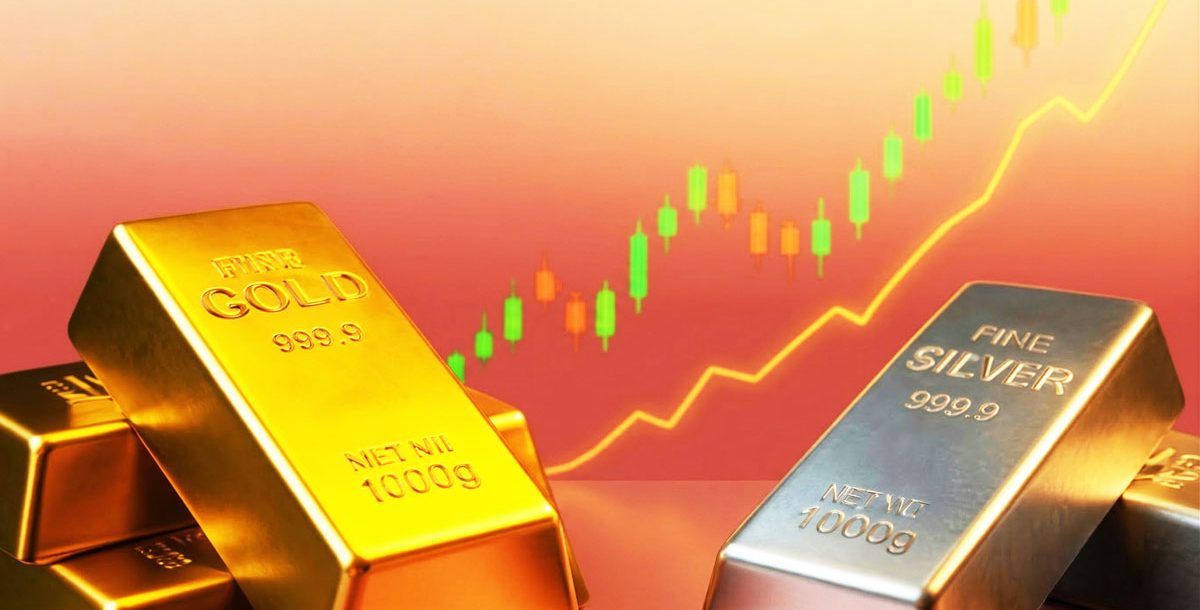
Rising energy prices are once again reshaping global market dynamics, pushing inflation expectations higher and forcing investors to reposition. As oil climbs sharply amid renewed geopolitical instability, gold is reasserting itself as a primary hedge—drawing strong inflows from both institutional and retail capital. Alongside it, silver is also gaining momentum, benefiting from both its monetary role and its industrial demand profile.
Energy Shock Reignites Inflation Pressures
The latest surge in oil prices has revived concerns of a second wave of global inflation. Energy remains a foundational input across transportation, manufacturing, and food production—meaning sustained price increases quickly cascade through the broader economy.
Key drivers behind the current spike include:
- Supply disruptions tied to geopolitical tensions in key oil-producing regions
- Strategic production constraints from major exporters
- Elevated shipping and insurance costs in critical trade corridors
As oil pushes higher, inflation expectations are adjusting in real time. Markets are increasingly pricing in prolonged cost pressures rather than a short-term spike, complicating the outlook for central banks that had only recently begun to stabilize inflation.
Gold and Silver Reassert Their Role as Inflation Hedges
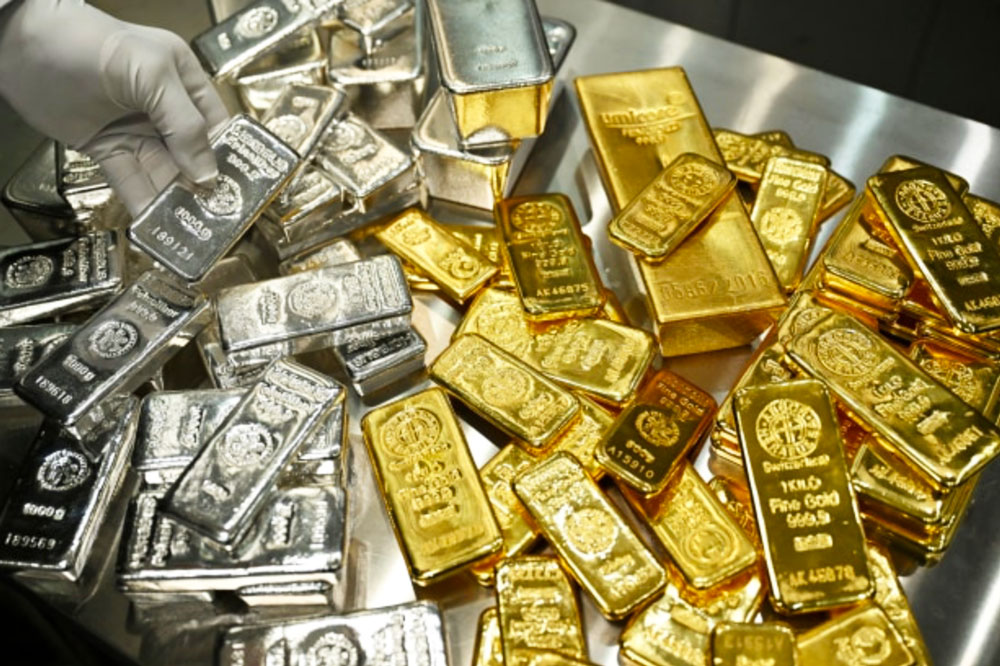
In this environment, both gold and silver are attracting renewed attention. While gold remains the primary store of value, silver offers a dual advantage—acting as both a hedge and a growth-linked metal tied to industrial demand.
Current market positioning reflects this:
- Gold is holding near multi-year highs, supported by strong central bank buying and ETF inflows
- Silver is trading in the mid-to-high $20s per ounce range, with upside pressure building as inflation expectations rise
- The gold-to-silver ratio is beginning to compress slightly, signaling stronger relative performance from silver
Gold benefits most directly from declining real yields and monetary uncertainty. Silver, meanwhile, tends to amplify moves in gold during bullish cycles—while also drawing support from sectors like solar energy, electronics, and electrification.
Silver’s Industrial Demand Adds a New Layer
Unlike gold, silver’s price is partially driven by industrial demand, which introduces an additional dynamic in the current environment.
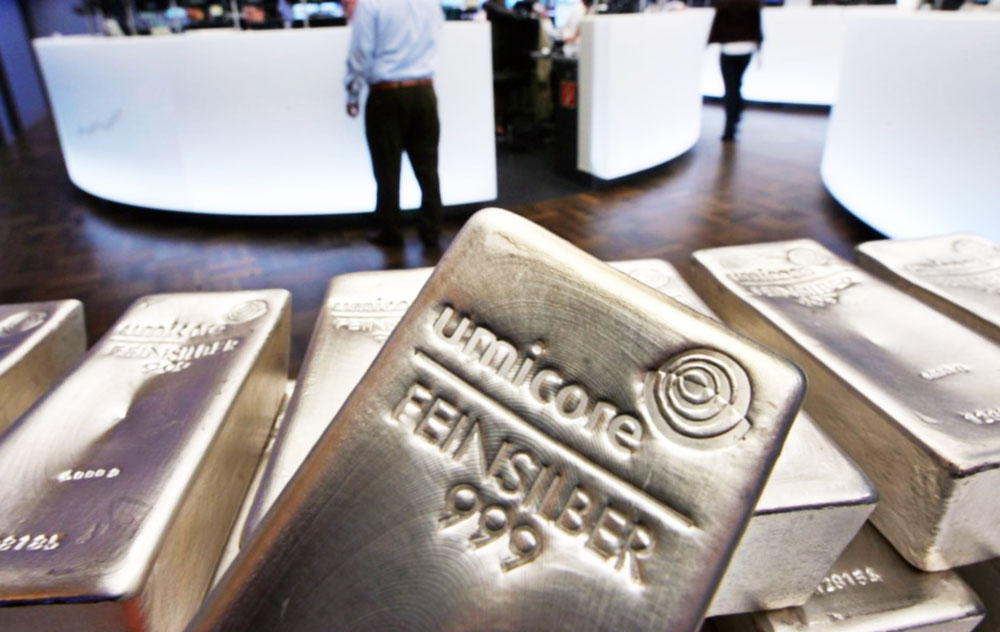
Key supporting factors for silver include:
- Growing demand from renewable energy, particularly solar panel production
- Increased use in electric vehicles and advanced electronics
- Supply constraints in key mining regions
As energy transitions accelerate globally, silver’s role in clean technology is becoming more pronounced—creating a structural demand floor that complements its monetary appeal.
Central Banks Face a Policy Dilemma
The resurgence of inflation tied to energy creates a difficult balancing act for policymakers. Tightening monetary policy further risks slowing already fragile economic growth, while easing prematurely could entrench inflation.
This uncertainty is reinforcing demand for both metals:
- Investors are hedging against policy missteps
- Currency volatility is increasing across major economies
- Confidence in a “soft landing” scenario is weakening
Gold remains the primary reserve asset, but silver is increasingly being included in tactical allocations as investors seek higher beta exposure to the same macro theme.
Geopolitical Risk Strengthens Safe-Haven Demand
Beyond inflation, geopolitical instability is amplifying momentum across precious metals. Markets are reacting not only to current disruptions but also to the growing risk of prolonged conflict and fragmented global trade.
This environment supports both gold and silver:
- Gold acts as a core safe-haven asset
- Silver benefits from both safe-haven flows and industrial demand resilience
- Both metals tend to outperform during periods of currency and equity market stress
As uncertainty spreads, demand becomes less about speculation and more about capital preservation.
Portfolio Reallocation Is Underway
Institutional investors are increasingly adjusting their allocations in response to the evolving macro landscape. The combination of rising energy costs, persistent inflation risk, and geopolitical instability is prompting a shift back toward hard assets.
Emerging trends include:
- Higher gold weighting in diversified portfolios
- Increased allocation to silver for leveraged exposure to precious metals
- Reduced exposure to rate-sensitive assets
- Broader interest in commodities as a defensive asset class
Silver’s inclusion signals a more aggressive positioning strategy, as investors look to capture both protection and upside.
What Comes Next for Gold and Silver?
The trajectory of both metals will depend on three interconnected factors:
- The persistence of elevated oil prices
- The pace and direction of central bank policy
- The evolution of geopolitical tensions
If energy markets remain tight and inflation proves sticky, gold is likely to maintain upward momentum, with silver potentially outperforming due to its higher volatility and industrial demand tailwinds. However, a sharp rise in real yields could pressure both metals in the short term.
MarketMind Insight
Energy shocks rarely operate in isolation—they ripple through inflation, policy, and investor psychology all at once. Gold’s resurgence is expected, but silver’s parallel move adds a new dimension—one tied not just to fear, but to future demand. Together, they signal a market preparing not just for instability, but for a prolonged shift in how value is stored and protected.