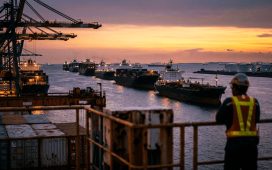

Global energy markets are being quietly reshaped—not by a single shock, but by a chain reaction of LNG disruptions that continue to ripple across supply routes, pricing benchmarks, and long-term contracts. What began as regional instability tied to ongoing conflict has evolved into a structural reset of how natural gas is sourced, traded, and priced worldwide. The LNG market is no longer a balancing mechanism—it is becoming the backbone of global energy security.
The result is a new energy map defined by flexibility, geopolitics, and infrastructure speed, where countries are prioritizing access over efficiency and long-term resilience over short-term cost.
A Market Under Strain
Liquefied natural gas flows have become increasingly volatile, driven by shipping bottlenecks, constrained liquefaction capacity, and shifting demand from both Europe and Asia. Key transit routes have faced intermittent disruptions, forcing rerouting and extending delivery times—tightening supply in already sensitive markets.
At the same time, unplanned outages, logistical constraints, and export slowdowns from key suppliers have reduced available cargoes, intensifying competition across regions.
- Spot LNG prices have shown sharp swings, particularly in Asia and Europe
- Shipping costs have risen due to longer routes and vessel scarcity
- Storage strategies have become more defensive, with earlier seasonal stockpiling
This is no longer a cyclical tightening—it reflects structural fragility in a system built on just-in-time energy flows.
Qatar’s Setback Reshapes Supply Expectations
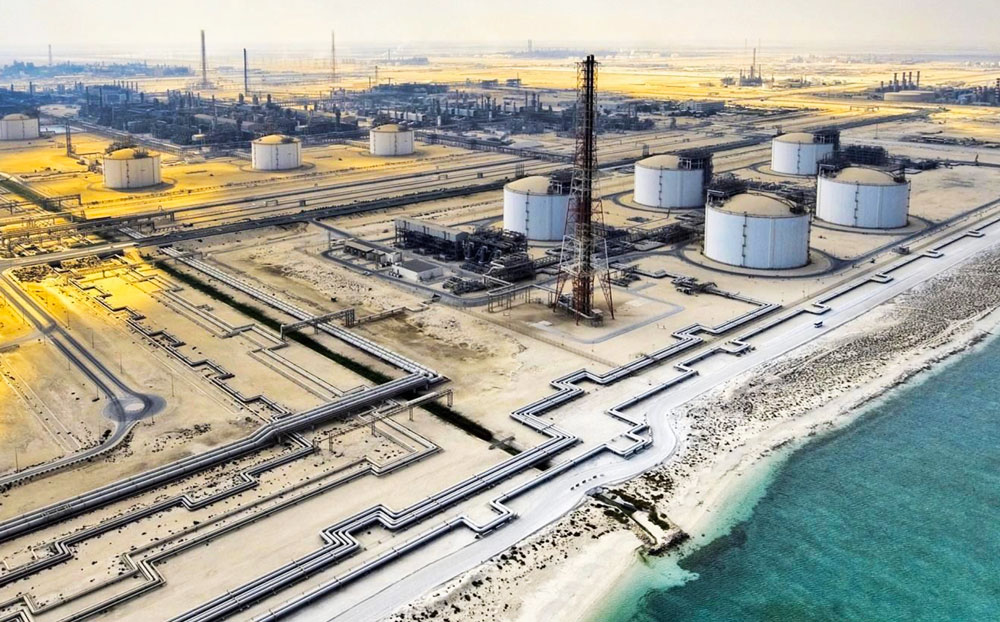
One of the most significant recent developments has been the disruption affecting Qatar’s LNG export flows—removing a meaningful share of expected supply from the global market at a critical time. As one of the world’s largest LNG exporters and a cornerstone of long-term contract stability, any constraint from Qatar has an outsized impact.
Delays, logistical complications, and reduced throughput have effectively tightened global supply, forcing buyers to pivot quickly toward alternative sources.
- A substantial portion of expected LNG cargoes has been delayed or rerouted
- Long-term contract holders are facing timing mismatches and delivery uncertainty
- Spot market demand has surged as buyers scramble to fill gaps
The takeaway is clear: even the most reliable suppliers are no longer immune to disruption, and the margin for error in global LNG supply is shrinking.
Europe’s Structural Shift
Europe has accelerated its transition away from pipeline dependency, turning LNG into its primary marginal supply source. The region has rapidly expanded regasification capacity, particularly through floating storage and regasification units (FSRUs), enabling faster import flexibility.
However, this shift comes with trade-offs. LNG is inherently more expensive and subject to global competition, leaving Europe exposed to price volatility and supply bidding wars during peak demand periods.
- Increased reliance on U.S. and Middle Eastern LNG cargoes
- Expansion of short-term and spot purchasing strategies
- Continued vulnerability during winter demand spikes
Europe’s energy model is now more diversified—but also more globally exposed.
Asia Reasserts Demand Power
While Europe reshaped supply flows, Asia has quietly re-emerged as the dominant force in LNG demand. China, Japan, South Korea, and India are increasing imports as domestic energy needs rebound and coal transition policies accelerate.
China in particular has leveraged long-term contracts to secure supply at more stable prices, while emerging markets across Southeast Asia are entering the LNG space more aggressively.
- Long-term contracts are regaining importance over spot exposure
- Price-sensitive buyers are rebalancing between LNG and coal
- Infrastructure expansion in India and Southeast Asia is unlocking new demand
This growing demand base is tightening global supply availability and reinforcing Asia’s pricing influence.
The Rise of the U.S. as a Swing Supplier
The United States has solidified its position as the world’s leading LNG exporter, acting as a critical swing supplier in times of disruption. Its flexible contract structures—often linked to Henry Hub pricing—have made U.S. cargoes highly attractive during periods of volatility.
However, capacity constraints and regulatory uncertainty around new export approvals could limit how quickly supply can scale to meet global demand.
- U.S. LNG exports remain near record highs
- Expansion projects face longer timelines and policy scrutiny
- Flexibility in destination clauses gives buyers strategic optionality
The U.S. is not just a supplier—it is now a stabilizing force in global gas markets.
New Trade Routes, New Risks
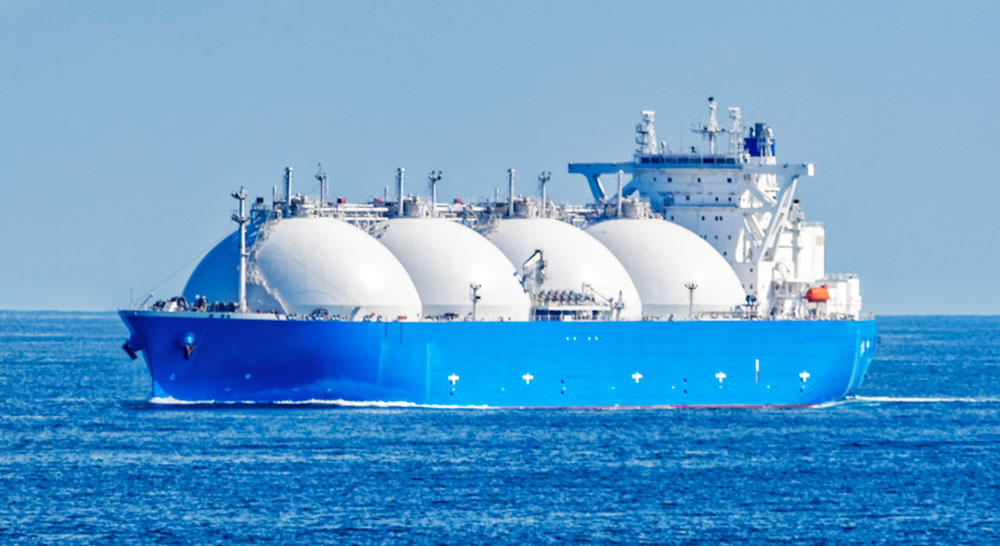
As traditional shipping lanes face disruption, LNG cargoes are increasingly being rerouted, often adding significant time and cost to deliveries. This has elevated the strategic importance of maritime chokepoints and introduced new layers of risk into global energy logistics.
- Longer shipping routes are increasing fuel and insurance costs
- Vessel availability is becoming a constraint during peak demand
- Infrastructure bottlenecks are emerging as a critical vulnerability
Energy security is now as much about logistics as it is about supply.
Investment Surge in LNG Infrastructure
In response to ongoing instability, global investment in LNG infrastructure is accelerating. From liquefaction plants in North America and Qatar to regasification terminals across Europe and Asia, the next wave of capacity is being built with urgency.
This expansion is not just about meeting demand—it’s about reshaping the global energy system around LNG as a long-term pillar.
- Qatar continues advancing major expansion projects despite near-term disruptions
- North America dominates new liquefaction project pipelines
- Emerging markets are fast-tracking import terminal development
The scale of investment signals that LNG is transitioning from a transitional fuel to a strategic one.
Pricing Power Is Fragmenting
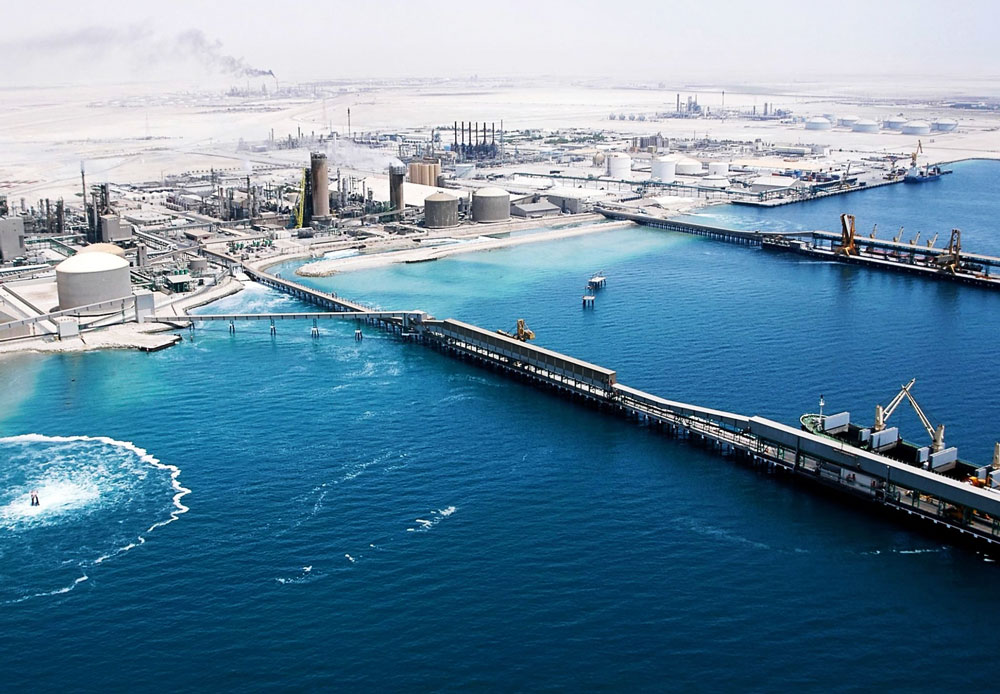
Historically, LNG pricing was loosely anchored to oil benchmarks or regional hubs. Today, pricing is becoming increasingly fragmented, reflecting localized supply-demand dynamics and contract structures.
- Henry Hub-linked pricing remains dominant for U.S. exports
- Asian spot benchmarks are gaining influence
- Long-term contracts are being renegotiated with more flexible terms
This fragmentation is creating both opportunity and complexity for traders and buyers.
What This Means for Energy Markets
The global LNG market is entering a new phase—one defined by competition, infrastructure, and geopolitical sensitivity. The old model of predictable flows and stable pricing is being replaced by a more dynamic and reactive system.
Energy is no longer just a commodity—it is a strategic asset shaped by access, alliances, and adaptability.
MarketMind Insight
When a cornerstone supplier like Qatar faces unexpected disruptions, the ripple effects highlight just how tight and interconnected the LNG system has become. In this new energy map, resilience is no longer optional—it is the defining edge.