A Quiet Shift in the Market
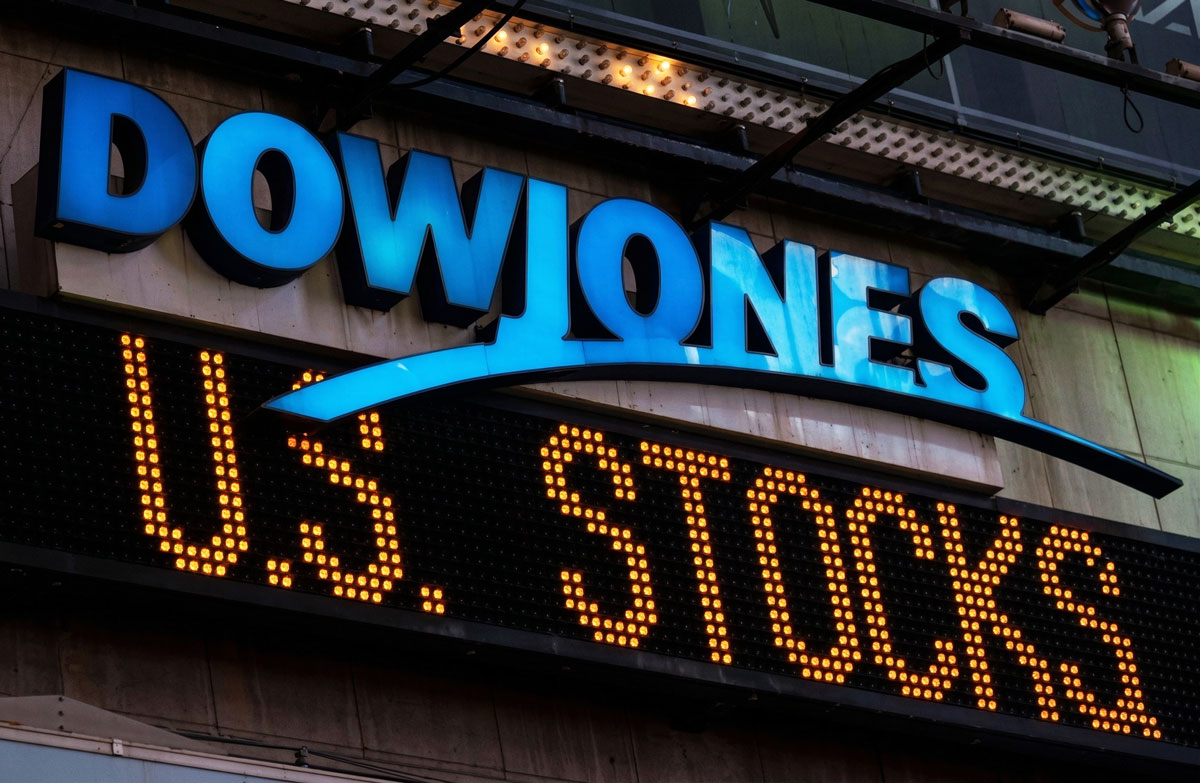
The Dow is nearing correction territory, but the move is unfolding gradually rather than through sharp selling. What’s changing is the strength underneath the index. The late-2025 rally was broad and supported by industrial leaders, but that momentum is fading. Fewer stocks are driving gains, and more are drifting sideways, signaling a market that is cooling rather than collapsing.
Industrials Losing Leadership
Industrial stocks remain relatively stable, but they are no longer leading the market higher. Long-term drivers like infrastructure investment, defense spending, and supply chain reshoring continue to support the sector, giving it a solid foundation.
At the same time, short-term pressures are becoming harder to ignore. Higher interest rates are increasing the cost of large-scale projects, global manufacturing activity is softening, and energy costs remain volatile. This combination is limiting upside, leaving industrials in a holding pattern rather than a growth phase.
Stable Earnings, Softer Outlook
Earnings across the sector have held up, largely supported by strong backlogs built over the past two years. Many companies are still delivering consistent results, which is helping prevent a sharper market pullback.

The shift, however, is in forward expectations. Companies are signaling slower order growth and more cautious outlooks. Pricing power, which previously helped protect margins, is beginning to normalize. This suggests that while earnings may remain steady, the pace of expansion is slowing.
Macro Pressure Still in Play
Industrial performance is closely tied to the broader economy, and current macro conditions are acting as a restraint. Elevated interest rates continue to tighten financing conditions, while uneven global demand—particularly in Europe and parts of Asia—is limiting export strength.
Energy price volatility adds further uncertainty, especially for transportation and manufacturing-heavy businesses. These factors are not severe enough to trigger a downturn on their own, but they are enough to keep the sector from advancing.
The Dow’s Balancing Act
Industrials are a core pillar of the Dow, and their role is shifting. Instead of driving gains, they are now acting as a stabilizing force. If they hold current levels, they can help prevent a deeper correction. If they begin to weaken, the lack of leadership could accelerate downside pressure on the index.
What Comes Next
The path forward will depend on whether macro conditions begin to stabilize. Signs to watch include improving manufacturing data, clearer direction from central banks on interest rates, and stronger global demand signals.
Until then, the market is likely to remain range-bound, with limited upside and gradual downside risk.
MarketMind Insight
Industrial stocks aren’t breaking—they’re pausing. That pause is enough to steady the Dow Jones in the short term, but without renewed momentum, it may not be enough to stop a broader correction from taking hold.