Global oil markets are being reshaped not just by supply and demand, but by a growing shadow logistics system operating outside traditional oversight. As sanctions on Russian energy exports persist, a vast “shadow fleet” of tankers has emerged—quietly moving crude across oceans while bypassing regulatory frameworks. This parallel shipping network is no longer marginal; it is now a structural force influencing pricing, compliance, and geopolitical leverage.
The Rise of the Shadow Fleet
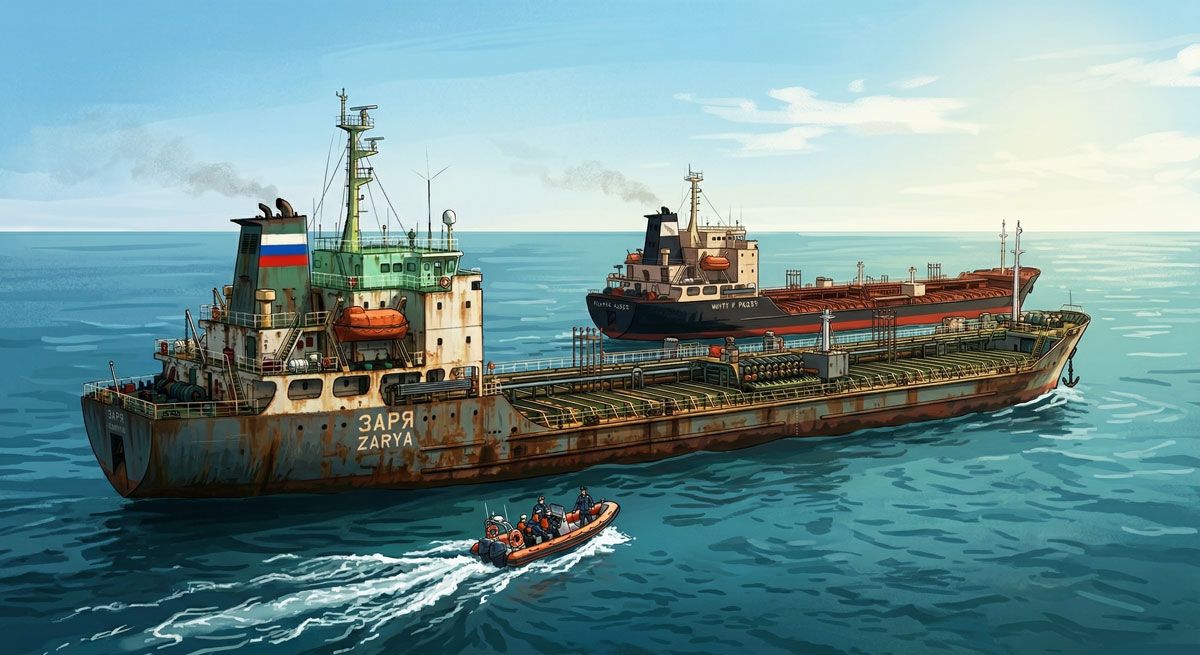
The term “shadow fleet” refers to aging oil tankers operating with opaque ownership, minimal insurance transparency, and frequent flag-switching to avoid scrutiny. Since Western sanctions tightened on Russian crude, particularly price caps and transport restrictions, these vessels have become essential to maintaining export flows.
Estimates suggest hundreds of tankers are now involved, many acquired through intermediaries shortly after sanctions were introduced. These ships often:
- Operate under flags of convenience
- Disable or manipulate tracking systems (AIS)
- Use complex ownership structures through shell companies
- Avoid Western insurance and rely on alternative coverage
The result is a fragmented but highly functional logistics network capable of sustaining Russian oil exports despite formal restrictions.
How the Network Operates
At the core of the shadow fleet strategy is re-routing and obfuscation. Russian crude is rarely shipped directly to its final destination under transparent conditions. Instead, it often moves through multi-step logistics chains designed to blur origin and ownership.
Key tactics include:
- Ship-to-ship transfers in international waters, particularly in regions like the Mediterranean and off the coast of West Africa
- Blending operations, where Russian crude is mixed with other grades
- Reflagging and renaming vessels to avoid detection
- Use of non-Western insurers and financial channels
These methods make enforcement of sanctions significantly more difficult, allowing oil to continue reaching major buyers across Asia and beyond.
Market Impact
On the surface, global oil supply has remained relatively stable despite sanctions. The shadow fleet is a major reason why. By enabling continued Russian exports, it has prevented a sharp supply shock that would otherwise push prices significantly higher.
However, this stability comes with underlying risks:
- Aging vessels increase the probability of environmental incidents
- Lack of regulatory oversight raises safety concerns
- Market opacity complicates accurate supply tracking
- Price distortion, as discounted Russian crude flows outside standard benchmarks
In effect, the shadow fleet is suppressing volatility in the short term while quietly increasing systemic risk.
Who Benefits—and Who Watches Closely
The primary beneficiaries are clear: Russia maintains export revenues, while major importing nations—particularly in Asia—gain access to discounted crude. This dynamic has reshaped trade flows, with Europe reducing direct imports while other regions absorb redirected supply.
At the same time, regulators and governments are intensifying scrutiny. Efforts include:
- Expanding sanctions to target vessels and intermediaries
- Monitoring ship-to-ship transfer zones
- Pressuring insurers and port authorities to tighten compliance
Yet enforcement remains uneven, largely because the shadow fleet operates across jurisdictions with varying levels of cooperation.
The Next Phase: Tightening the Net
Looking ahead, the trajectory of the shadow fleet will depend on how aggressively sanctions are enforced and how adaptable the network remains. Early signs suggest both sides are escalating—regulators refining tracking methods, and operators becoming more sophisticated in evasion.
Three developments to watch:
- Targeted sanctions on individual vessels and operators
- Increased satellite and AI-based maritime tracking
- Potential restrictions on ports accepting shadow fleet tankers
If enforcement tightens meaningfully, the cost of moving Russian crude could rise, reintroducing volatility into global oil markets.
MarketMind Insight
The shadow fleet is no longer a workaround—it is a parallel oil market operating in plain sight but outside conventional systems. For traders, it introduces pricing inefficiencies and hidden supply buffers. For policymakers, it highlights the limits of sanctions in a globally interconnected energy system. And for the market as a whole, it underscores a critical shift: control over oil flows is no longer just about production—it’s about who can move it, and how invisibly they can do it.