
Digital wealth is entering a new era of visibility. For years, crypto assets, offshore exchange accounts, tokenized holdings, and cross-border digital wallets operated in a space where tax enforcement struggled to keep pace with innovation. That gap is now closing.
Governments are no longer treating digital assets as a side issue. They are building the same kind of automatic reporting systems around crypto that already exist for bank accounts, securities, and offshore financial holdings. The result is a major shift for investors, exchanges, fintech platforms, and anyone holding wealth across borders in digital form.
The message is simple: digital wealth may move quickly, but tax authorities are learning to follow it.
Crypto Moves Into the Reporting System
The biggest change is the global rollout of the Crypto-Asset Reporting Framework, better known as CARF. Developed through the OECD, CARF is designed to allow tax authorities to receive and exchange information on crypto-asset transactions across borders.
This matters because crypto has long created a reporting mismatch. Traditional banks and brokers are already deeply integrated into tax systems, but many crypto platforms were not built with that same level of global tax transparency. CARF changes that by requiring reporting crypto-asset service providers to collect user information, verify tax residency, and report relevant transaction activity to local authorities.
For investors, this does not create a new tax by itself. What it changes is visibility. Gains, disposals, crypto-to-crypto transactions, transfers, and platform activity are becoming easier for authorities to match against tax filings. In practical terms, the days of relying on fragmented reporting or assuming cross-border wallets sit outside tax scrutiny are fading fast.
Europe Takes the Lead
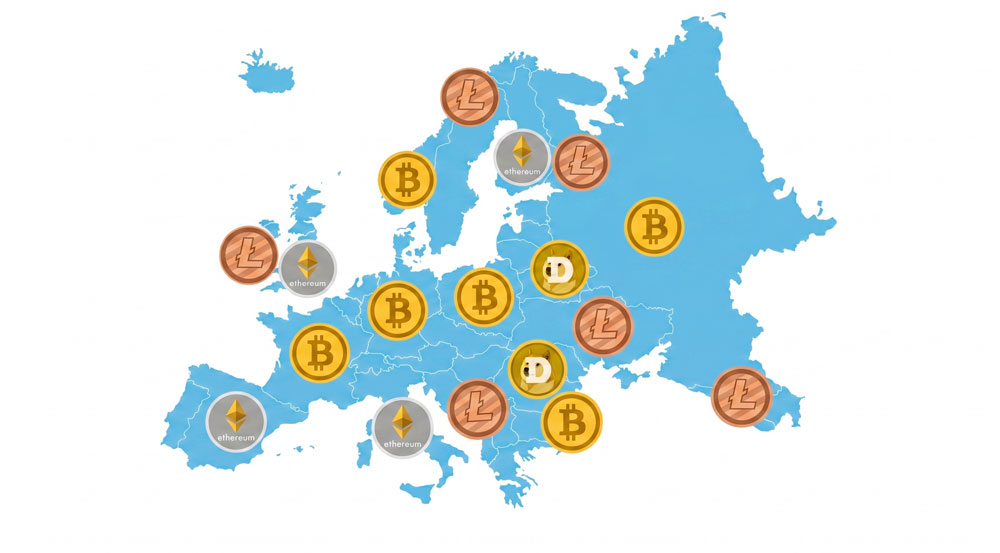
The European Union has moved early through DAC8, which expands tax transparency rules to crypto assets. From 2026, crypto-asset service providers operating in the EU face new reporting obligations tied to user and transaction data.
This gives Europe one of the clearest regulatory paths in the world for digital asset tax enforcement. For investors, it means crypto holdings are becoming part of the same compliance environment as traditional financial accounts. For platforms, it means customer due diligence, data collection, and reporting systems are no longer optional back-office upgrades. They are core infrastructure.
The broader signal is important: Europe is not trying to ban digital wealth. It is trying to make it legible to tax authorities.
The UK Tightens Its Own Rules
The UK has also moved into the CARF era, with new reporting rules taking effect from January 2026. Crypto platforms serving UK users must collect and report information that helps HMRC identify taxable activity.
This arrives at a time when crypto participation has become more mainstream, but tax understanding remains uneven. Many investors still do not realize that selling crypto, swapping one token for another, spending crypto, or gifting certain assets can create taxable events.
The UK approach shows where global enforcement is heading. Rather than relying only on voluntary disclosure, authorities are building systems that automatically compare platform data with individual tax returns. That is a very different game. The referee now has the match footage.
North America Moves at Different Speeds
In the United States, digital asset reporting is also becoming more formalized through Form 1099-DA, which is designed for reporting proceeds from broker transactions involving digital assets. The U.S. path has been politically complicated, especially around how far broker rules should extend into decentralized finance, but the direction remains clear: centralized digital asset activity is moving deeper into tax reporting.
Canada is also preparing for CARF-aligned rules, with implementation linked to a deferred application date of January 1, 2027. For Canadian investors, the key takeaway is that crypto reporting is becoming more standardized, and global information exchange will make offshore platform activity harder to separate from domestic tax obligations.
For North American investors, this creates a practical planning issue. The question is no longer only whether crypto gains are taxable. They already are in many cases. The question is whether investors have accurate records before platforms, tax agencies, and automated reporting systems start comparing the numbers.
The Gulf and Global Wealth Hubs Enter the Frame

The UAE’s commitment to the CARF framework is especially important because of its growing role as a digital asset, private wealth, and fintech hub. The country is expected to begin automatic exchanges under CARF in 2028, covering data collected under the new framework.
That matters for investors across the Gulf, Europe, and Asia who use the UAE as a financial base or relocation destination. The UAE remains an attractive hub for digital finance, but global transparency standards mean residency, exchange activity, and cross-border reporting need to be handled carefully.
Saudi Arabia is also part of the broader regional wealth conversation, even though the immediate CARF timeline is more clearly defined for jurisdictions such as the UAE, Bahrain, and other participating financial centers. For investors in the Gulf, the direction of travel is unmistakable: digital wealth is becoming more institutional, more regulated, and more visible.
Asia’s Role in the Next Phase
Singapore, one of the world’s most important wealth and fintech hubs, has committed to CARF and is expected to begin exchanges in 2028. That gives digital asset firms and investors time to prepare, but not much room to ignore the shift.
For Asia-based platforms, CARF is likely to become part of the cost of operating globally. For investors, it means that using a respected financial hub does not remove tax obligations elsewhere. In fact, high-quality jurisdictions are likely to become more effective at reporting, not less.
This is where the digital wealth story changes. Regulation is not only coming from high-tax countries trying to chase revenue. It is also coming from global financial centers that want legitimacy, institutional capital, and long-term credibility.
What This Means for Investors
The tightening global tax net does not mean digital assets are losing their appeal. It means the market is maturing. Investors who treat crypto like a serious asset class will need to manage it with the same discipline as equities, property, or business income.
That includes:
- Keeping detailed records of purchases, sales, swaps, transfers, fees, and wallet movements
- Understanding tax residency rules, especially after relocation
- Reviewing whether offshore exchanges create domestic reporting obligations
- Separating long-term holdings from active trading activity
- Preparing for platform-reported data to be shared with tax authorities
- Avoiding the assumption that self-custody eliminates tax responsibility
The biggest risk is not necessarily the tax bill itself. It is poor recordkeeping. Many crypto investors have years of fragmented exchange history, missing wallet data, old DeFi transactions, and unclear cost bases. As reporting improves, messy records can become expensive very quickly.
What This Means for Exchanges and Fintech Platforms
For exchanges, custodians, brokers, and digital asset service providers, tax reporting is becoming a competitive issue. Platforms that cannot meet reporting requirements may face operational restrictions, higher compliance costs, or reduced access to major markets.
The strongest players will likely be those that can combine user-friendly investing with institutional-grade compliance. That may favor larger exchanges, regulated custodians, and fintech firms with the resources to build tax reporting infrastructure across multiple jurisdictions.
Smaller platforms may feel pressure to consolidate, partner, or specialize. Compliance is not glamorous, but in the next phase of digital finance, it may be one of the biggest moats.
A New Divide in Digital Wealth

The global tax shift is creating a divide between informal crypto activity and institutional digital wealth. On one side are investors who still treat crypto as a borderless, loosely reported market. On the other are platforms, funds, family offices, and professional investors preparing for a world where digital assets are fully integrated into financial reporting systems.
That second group is likely where the market is heading. Tokenized assets, stablecoins, crypto ETFs, regulated custodians, and institutional wallets all point toward a more transparent financial architecture. Privacy will still matter, but secrecy will become harder to defend.
This does not kill the digital asset thesis. If anything, it may strengthen it for serious capital. Institutions are more comfortable entering markets where rules are clear, reporting is standardized, and compliance risks are manageable.
The Market Impact
For markets, the immediate effect may be more administrative than dramatic. Tax reporting rules do not automatically change the price of Bitcoin, Ethereum, or tokenized assets. But they do change investor behavior over time.
Some holders may clean up records, disclose older gains, or move toward regulated platforms. Others may reduce activity that creates complex taxable events. Exchanges may upgrade onboarding, tax forms, and transaction reporting tools. Wealth managers may increasingly offer digital asset tax planning as part of portfolio strategy.
The long-term effect is bigger: digital wealth is being pulled into the global financial system. That means more oversight, but also more legitimacy. The market is growing up, whether every investor is ready or not.
MarketMind Insight – Digital Wealth Leaves the Shadows
The tightening global tax net is not the end of digital assets; it is the end of digital assets being treated as invisible wealth. As CARF, DAC8, Form 1099-DA, and related reporting systems expand, investors will need cleaner records, clearer residency planning, and a more professional approach to crypto gains. The next phase of digital wealth will reward transparency, discipline, and compliance — not guesswork in a hoodie.