
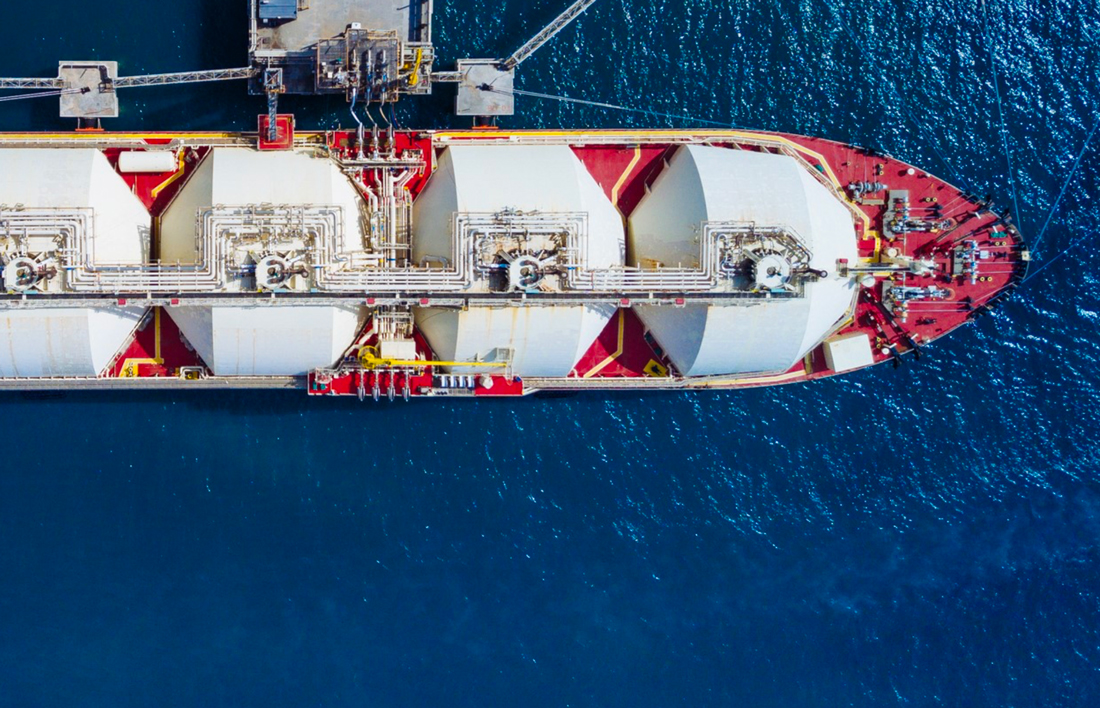
Europe is entering winter with a thinner gas cushion than usual. EU storage was around 70% full in mid-November, compared with a seasonal average near 89% in recent years, while stocks across the EU and UK were about one-fifth below their 10-year average. That leaves buyers more exposed to cold spells, supply interruptions and renewed competition for liquefied natural gas (LNG).
The pressure reaches beyond Europe. LNG cargoes can move between regions, so European buyers seeking extra supplies may compete with Asian importers for the same flexible shipments. The result could be greater price sensitivity through the winter and into the storage-refill season in 2027.
A Smaller Buffer Meets Winter Demand
Storage is designed to help cover seasonal swings and sudden disruptions. With less gas in reserve, Europe may need stronger imports during periods of high heating demand, particularly if cold weather coincides with outages or shipping delays.
The situation varies across the continent, and lower inventories do not by themselves mean a shortage is inevitable. Demand is also lower than before the 2022 energy crisis, and a mild winter would ease pressure. But with storage already drawing down, weather and supply disruptions could have a larger effect on prices than they would with fuller reserves.
Flexible Cargoes Link Europe And Asia

The LNG market is increasingly interconnected. Many cargoes, particularly from the United States, can be redirected toward buyers willing to pay more. That flexibility helps supplies respond to shortages, but it also links regional prices more closely: stronger European demand can raise the cost of securing cargoes elsewhere.
Supply conditions are already tight. The International Energy Agency expects global LNG supply to fall in 2026 if disruptions to Gulf exports persist through year-end. Meanwhile, Europe’s reliance on LNG has grown as pipeline supplies from Russia have fallen, and reduced Qatari flows have narrowed another important source of supply.
Rebuilding Stocks Could Extend The Squeeze
Winter demand is only part of the market’s challenge. If Europe ends the heating season with depleted storage, buyers will need to replenish inventories during summer 2027. That could keep European import demand elevated after the usual winter peak and extend competition for spot cargoes.
The timing of new LNG supply also matters. Additional export capacity is expected to improve availability later in the decade, but it cannot quickly offset near-term disruptions. Until then, traders will be watching storage withdrawals, weather forecasts, shipping flows and the relative prices offered by European and Asian buyers.
MarketMind Insight
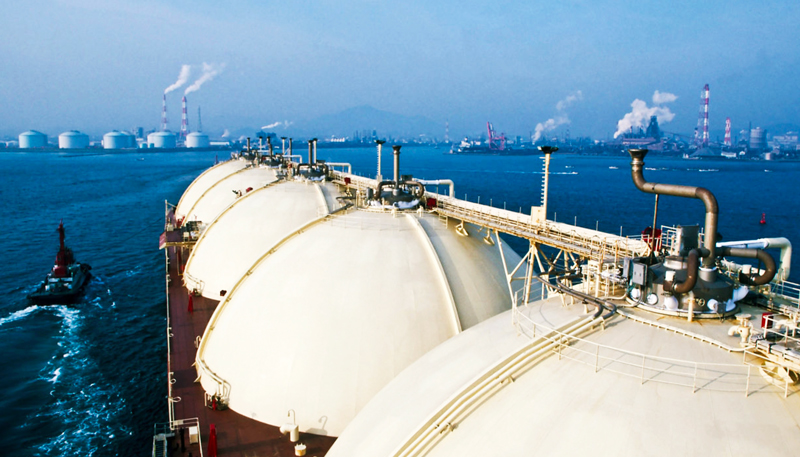
Europe’s storage gap makes the LNG market more sensitive to weather and supply shocks. A mild winter could limit the strain, but a cold spell or renewed export disruption would raise the stakes for buyers across regions. Even if winter passes without a physical shortage, the need to refill European reserves could keep global LNG competition firm well into 2027.