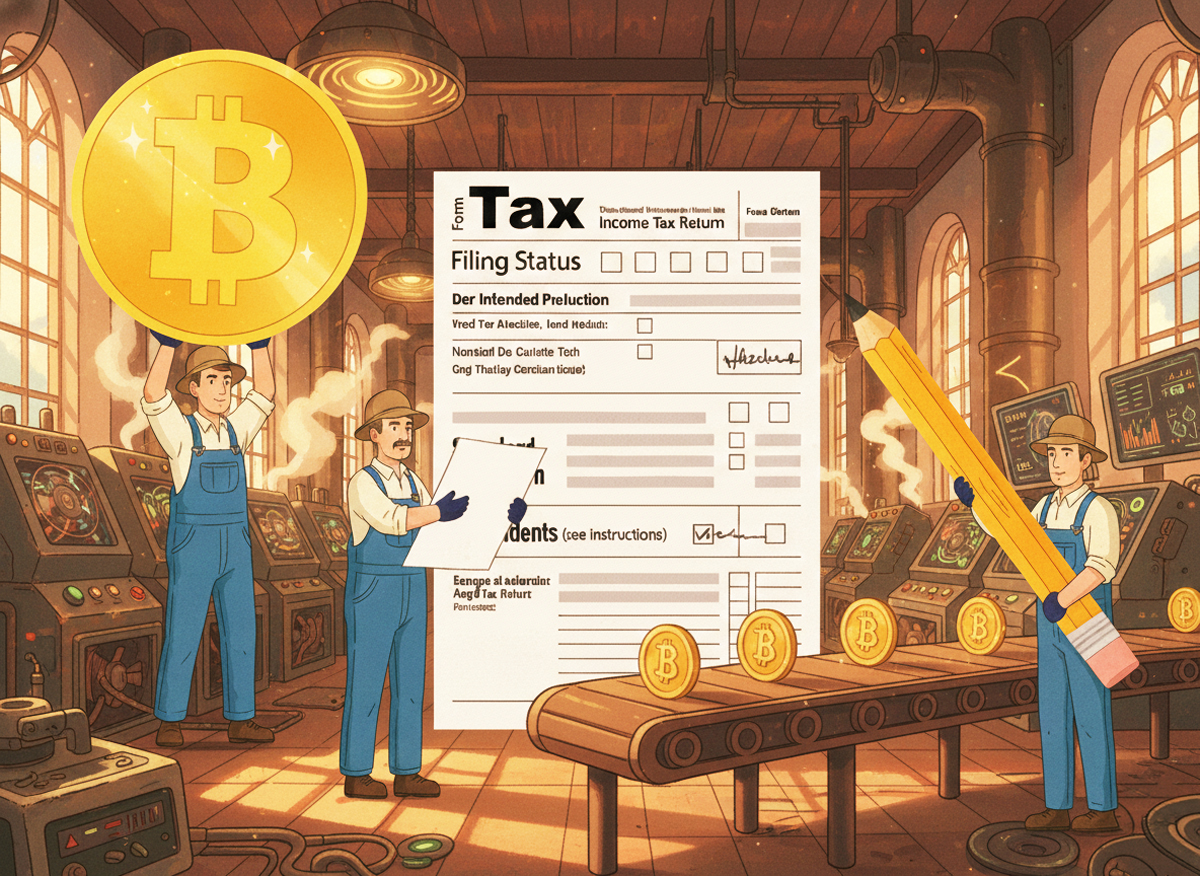
Crypto has always promised freedom. Regulators are now asking for receipts.
Across the U.S., Europe, the UK, Canada, the UAE, and other markets aligning with the OECD’s Crypto-Asset Reporting Framework (CARF), exchanges and hosted wallet providers are being pushed to operate more like traditional brokerages. The shift is straightforward: standardized identities, standardized transaction logs, standardized tax reporting. Less mystery. More math. For platforms, it’s a structural overhaul. For users, it’s the end of the “figure it out later” era.
From Balances to Behavior
Old crypto records focused on what you held.
New rules focus on everything you did.
Every trade, swap, transfer, and fee must now be captured with timestamps, fair-market valuations, and counterparty context. In several jurisdictions, cost basis must also be tracked lot by lot. It’s no longer enough to show a balance. Regulators want the story behind it.
The Global Push
Starting in 2025–2026, major markets are activating formal reporting regimes:
- EU (DAC8): standardized reporting across member states
- UK (CARF adoption): structured tax residency and transaction disclosures
- U.S. (Form 1099-DA): proceeds reporting first, cost basis next
- Canada and UAE: phased CARF implementation with cross-border data exchange
Different acronyms, same message: crypto platforms are becoming reporting institutions.
What Exchanges Now Track
Behind the scenes, exchanges are building systems that look suspiciously like Wall Street back offices:
- Verified identity and tax residency
- Transaction-level detail for every movement
- Wallet attribution and transfer classification
- Fee and valuation methodologies
- Cost basis engines
- Multi-year, audit-ready storage
If a transaction can’t be reconstructed precisely, it’s a compliance risk. That’s a big change from the early days when a CSV export and a prayer felt sufficient.
The Transfer Problem
Not every withdrawal is a sale — but systems need to know the difference.
Is it:
- Your own wallet?
- Another exchange?
- A payment?
- A DeFi contract?
Those distinctions now matter for reporting, which is why platforms increasingly ask extra questions before funds leave. Slightly annoying in the moment. Extremely helpful at tax time.

What This Means for Users
For anyone using centralized exchanges or hosted wallets:
- Expect more residency and tax ID prompts
- Expect brokerage-style annual statements
- Expect fewer blind spots for authorities
Self-custody doesn’t remove the paper trail either — on-ramps and off-ramps still report. Personal record-keeping is more important than ever.
Compliance Becomes a Feature
Ironically, better regulation is improving product design.
The most competitive exchanges now win on:
- Automatic cost-basis tracking
- Clean exports
- Clear transaction labels
- Fewer reconciliation headaches
Because nothing ruins a bull market faster than an accountant asking, “What exactly happened here?”
The Takeaway
Crypto isn’t losing its innovation edge — but it is gaining institutional discipline. Exchanges are evolving from lightweight trading apps into full financial intermediaries, with reporting standards that mirror traditional markets. For users, the practical reality is simple: if you trade on a centralized platform, your activity is increasingly structured, documented, and shareable across borders. The frontier is still open. It just comes with paperwork now.