Italy is again looking toward some of its most profitable industries as the government searches for money to finance its 2027 budget. Banks, insurers and energy companies are emerging as potential sources of additional revenue, but the coalition has yet to agree on whether that support should come through new levies, temporary contributions or advance tax payments.
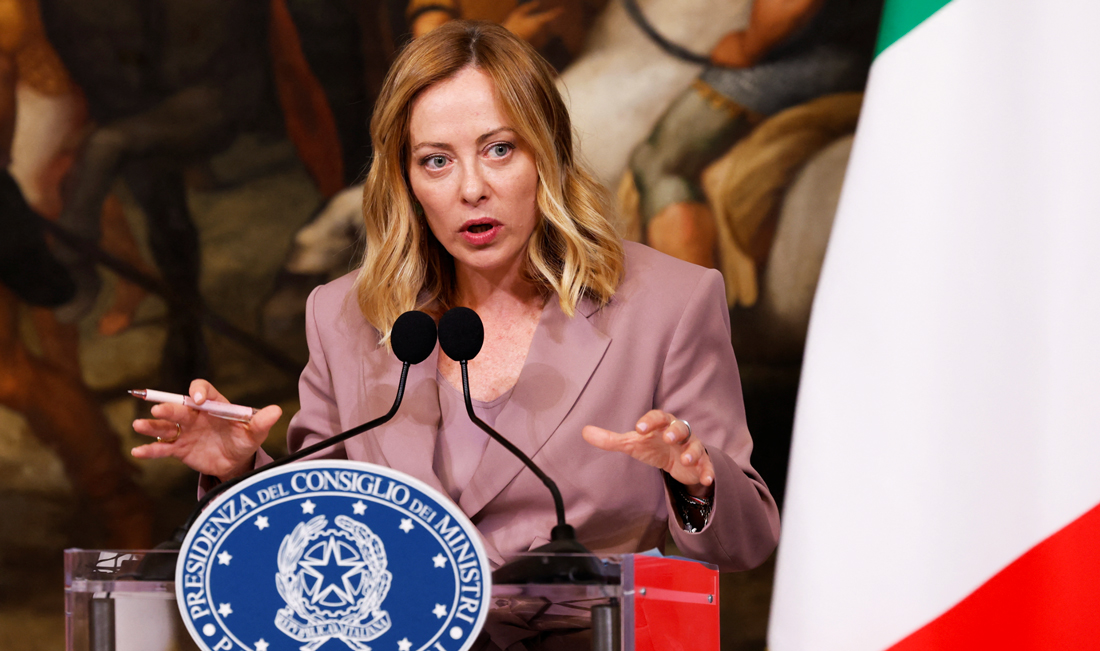
The debate reflects a difficult fiscal balancing act. Prime Minister Giorgia Meloni’s government wants to reduce taxes, protect households from elevated energy costs and maintain spending in politically sensitive areas ahead of the next general election. At the same time, Italy must continue reducing its budget deficit under European Union rules while managing one of the largest public-debt burdens in the eurozone.
For investors, the central question is not simply how much money Rome can collect. It is whether the government can raise revenue without unsettling bank shares, discouraging energy investment or weakening confidence in Italian government bonds.
The Search for Fiscal Space
Italy’s government expects the economy to expand by around 1% in 2026, but modest growth leaves limited room for ambitious tax cuts or new spending. The European Commission has projected a budget deficit close to 2.9% of gross domestic product in both 2026 and 2027, while public debt is expected to remain near 140% of GDP.
That makes revenue decisions unusually important. Even relatively small changes in borrowing costs can have a meaningful effect on Italy’s finances because of the volume of debt that must be refinanced.
The government therefore wants to create room inside the budget without relying entirely on additional borrowing. Asking profitable sectors to accelerate or increase their tax contributions offers an attractive political solution, particularly when households continue to face high electricity and gas costs.
However, not every coalition party supports the same approach.
Advance Payments or a New Levy?
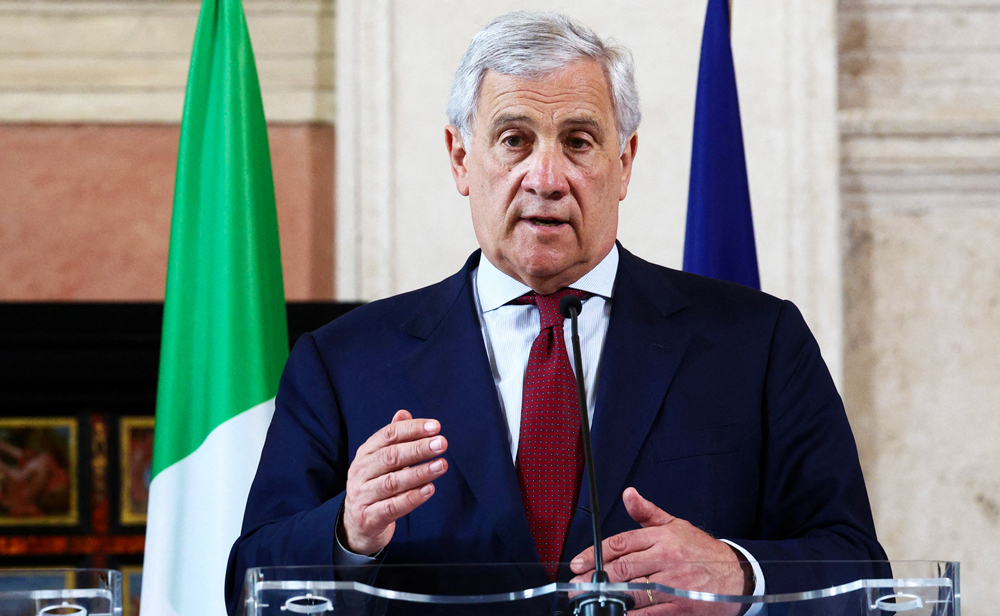
Deputy Prime Minister and Foreign Minister Antonio Tajani has suggested that banks and energy companies could bring forward tax payments to support the public finances. The arrangement would be modelled on previous agreements under which banks and insurers advanced money that would otherwise have been paid in later years.
This approach would improve the government’s near-term cash position without officially increasing headline tax rates. It may also prove less disruptive to markets than an unexpected windfall tax.
There is an important limitation: an advance payment changes when the government receives revenue rather than permanently increasing the total amount collected. It can help close a short-term budget gap, but it also reduces revenue available in future years. In fiscal terms, it moves money through time rather than creating a new stream of it.
Matteo Salvini’s League party is pushing for a more direct contribution. The party has proposed collecting as much as €3 billion from banks for the 2027 budget, while Salvini has also advocated a three-year levy on Italy’s ten largest lenders. He has supported calls for profitable energy and oil companies to contribute more as well.
The difference is substantial. A negotiated tax advance would mainly affect the timing of company cash flows. A recurring levy would place a more lasting burden on earnings, capital allocation and shareholder returns.
Why Banks Are Back in Focus
Italian banks have delivered strong profits in recent years, supported by higher interest rates, improved asset quality and years of balance-sheet restructuring. Their profitability has made the sector an obvious target whenever the government needs additional revenue.
The financial industry is already contributing heavily. Measures in the 2026 budget are expected to generate more than €11 billion from banks and insurers through 2028. These include higher regional business taxes, restrictions on the use of deferred tax assets and arrangements involving reserves created after the government’s attempted 2023 windfall tax.
That earlier episode still matters. Italy initially announced a 40% tax on banks’ excess profits in August 2023, triggering a sharp sell-off in financial shares. The measure was subsequently softened by allowing banks to strengthen their capital instead of paying the tax directly.
Policymakers appear conscious of that history. A negotiated contribution or advance payment would reduce the risk of another sudden market reaction, although investors are unlikely to welcome measures that repeatedly treat bank earnings as a source of emergency financing.
For major lenders such as Intesa Sanpaolo, UniCredit, Banco BPM, BPER and Monte dei Paschi di Siena, the eventual design will determine the impact. A temporary cash-flow adjustment would be manageable. A multiyear levy based on profits, assets or capital could affect dividend expectations, share buybacks and valuation multiples.
Energy Companies Enter the Debate
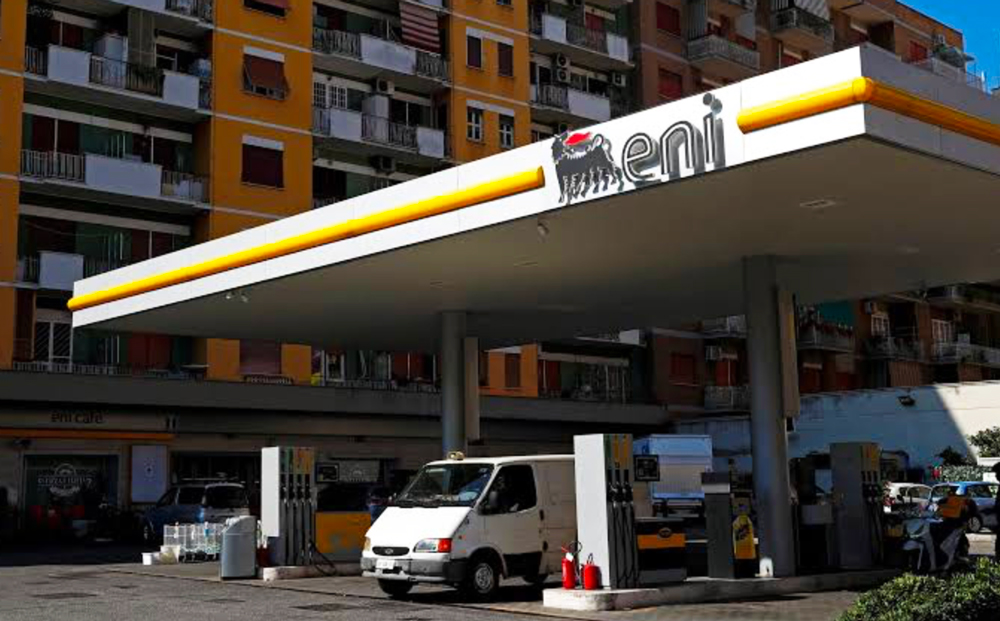
Energy companies are being targeted for a different reason. Italy remains heavily dependent on imported energy, particularly natural gas, leaving households and manufacturers exposed to international prices and geopolitical disruption.
The government increased the regional IRAP business-tax rate for energy producers, distributors and suppliers from 3.9% to 5.9% in 2026. That measure is expected to raise approximately €1 billion through 2028 and help finance reductions in energy bills.
Officials are now considering whether the sector should provide further support. The political argument is straightforward: when oil, gas or power companies benefit from elevated market prices, part of those gains should help protect consumers.
The economic calculation is more complicated. Italy needs substantial investment in electricity grids, renewable generation, gas infrastructure, storage and energy security. Persistent uncertainty over taxation could raise financing costs or cause companies to delay investment.
The effects would also vary across the industry. An integrated producer such as Eni has a very different earnings profile from regulated infrastructure businesses such as Snam and Terna or utilities primarily exposed to retail electricity markets. A broad tax could therefore affect companies that did not benefit equally from higher commodity prices.
What It Means for Italian Equities
Bank shares are likely to remain sensitive to political statements until the government publishes a detailed 2027 budget proposal. Investors should focus on the size, duration and calculation method of any contribution rather than reacting only to the headline amount.
Several questions will matter:
- Will the measure be voluntary, negotiated or legally imposed?
- Will it advance existing taxes or create a genuinely new obligation?
- Will it apply to the entire financial sector or only the largest institutions?
- Can payments be deducted from future tax liabilities?
- Will banks be permitted to preserve capital instead of making cash payments?
- Will energy companies be assessed on revenue, ordinary profits or exceptional profits?
Banks with strong capital ratios and diversified income should be better positioned to absorb a limited contribution. Even so, recurring political intervention could justify a larger risk discount across the sector.
Energy stocks face a similar problem. The direct cost may be manageable, but unpredictable taxation makes long-term earnings harder to value. Regulated utilities could prove more defensive if the final measures concentrate on commodity producers and suppliers.
Government Bonds May See a Different Story
For holders of Italian government bonds, additional revenue could initially appear positive. If the measures allow Rome to fund spending without increasing borrowing, they could support deficit targets and limit upward pressure on bond issuance.
But bond investors will examine the quality of the revenue. Permanent savings or recurring income offer greater fiscal credibility than temporary tax advances. If Italy uses one-off receipts to finance lasting tax cuts or spending increases, the underlying budget position may not improve.
The spread between Italian and German government bond yields will remain an important signal. A contained spread would suggest that markets view the budget strategy as credible. A sharp widening could indicate concern about higher deficits, coalition disagreements or measures that damage business confidence.
The Political Test Ahead
Italy’s 2027 budget will be the final full budget expected before the next general election, raising the political stakes. Coalition parties want to demonstrate support for households and taxpayers, but they differ over how aggressively the government should spend and who should finance the measures.
The banking and energy proposals offer appealing political optics: collect more from profitable companies while avoiding a broad increase in household taxes. Yet the government must show that its approach is predictable, proportionate and compatible with long-term investment.
The most market-friendly outcome would likely be a negotiated, clearly limited contribution combined with a credible explanation of how the proceeds will be used. Another abruptly designed windfall tax would risk reviving the policy uncertainty that damaged confidence in 2023.
MarketMind Insight
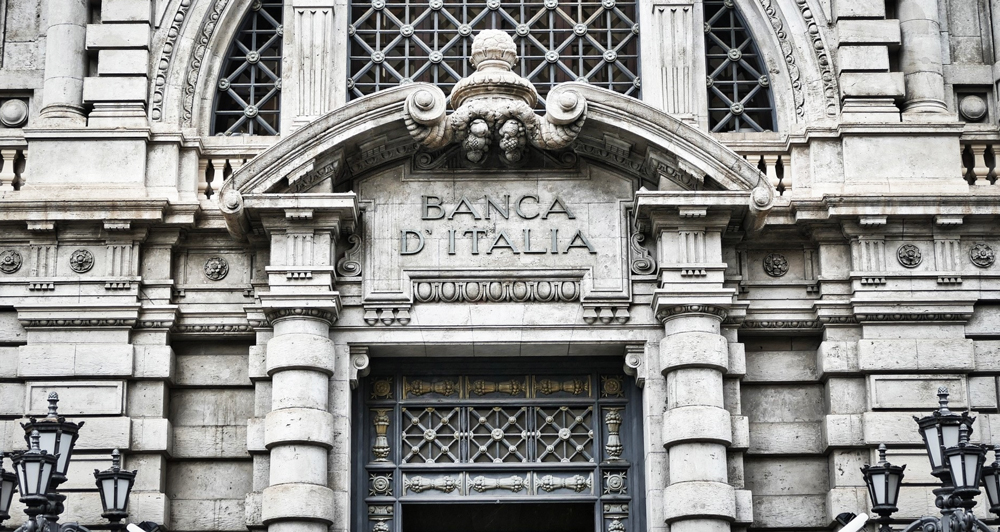
Italy’s revenue strategy is becoming a test of whether the government can reconcile fiscal discipline with pre-election spending pressure. Banks and energy companies have the capacity to contribute, but repeated demands on the same industries can gradually alter investment decisions, dividend policies and market valuations.
Investors should distinguish between tax acceleration and true fiscal improvement. Bringing forward payments may help the 2027 budget look stronger, but it does not solve Italy’s longer-term challenge of slow growth and heavy public debt. The decisive issue will be whether Rome uses temporary revenue to bridge a temporary gap—or to support commitments that continue long after the money has been spent.