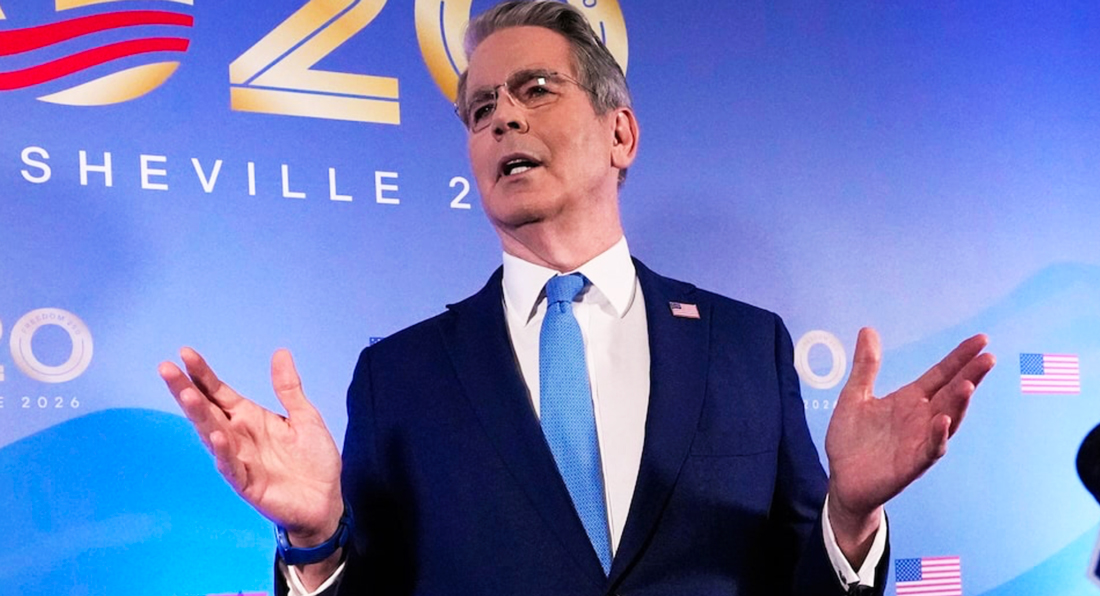
Treasury Secretary Scott Bessent announced on August 19 that the Treasury would at least double the maximum size of its long-term bond buybacks, increasing each operation from $2 billion to at least $4 billion. But the expanded program does not take effect until September 9. The latest inflation reports measure prices in July, before the announcement was made, so the intervention cannot be responsible for the inflation already showing up in official data.
That does not mean the concern is misplaced. The Treasury is trying to influence long-term borrowing costs while inflation remains above the Federal Reserve’s target, the federal deficit is close to 6% of gross domestic product and total public debt has crossed $40 trillion. If the program eventually succeeds in holding down long-term rates, it could loosen financial conditions and make the Fed’s inflation fight more difficult. The crucial distinction is between a future risk and an effect that has already occurred. So far, the evidence supports the first—not the second.
What Bessent Actually Changed
The Treasury plans to repurchase older, less actively traded securities in the 10-to-20-year and 20-to-30-year sectors. These liquidity-support buybacks are designed to improve trading in “off-the-run” bonds while the government continues issuing newer securities. The additional purchases scheduled through November 4 will add at least $14 billion to the quarter’s previously planned buybacks. That is meaningful as a market signal, but small beside the federal government’s total debt of more than $40 trillion.
This is also not quantitative easing. When the Federal Reserve conducts QE, it creates central-bank reserves to buy securities, expanding its balance sheet and injecting liquidity into the financial system. Treasury buybacks must be financed with government cash or additional debt issuance. In practical terms, Treasury is changing the maturity and liquidity profile of its liabilities rather than erasing debt or creating money. That makes the operation closer to a debt-management swap than a new round of monetary stimulus.
The Bond Market Has Not Been Tamed
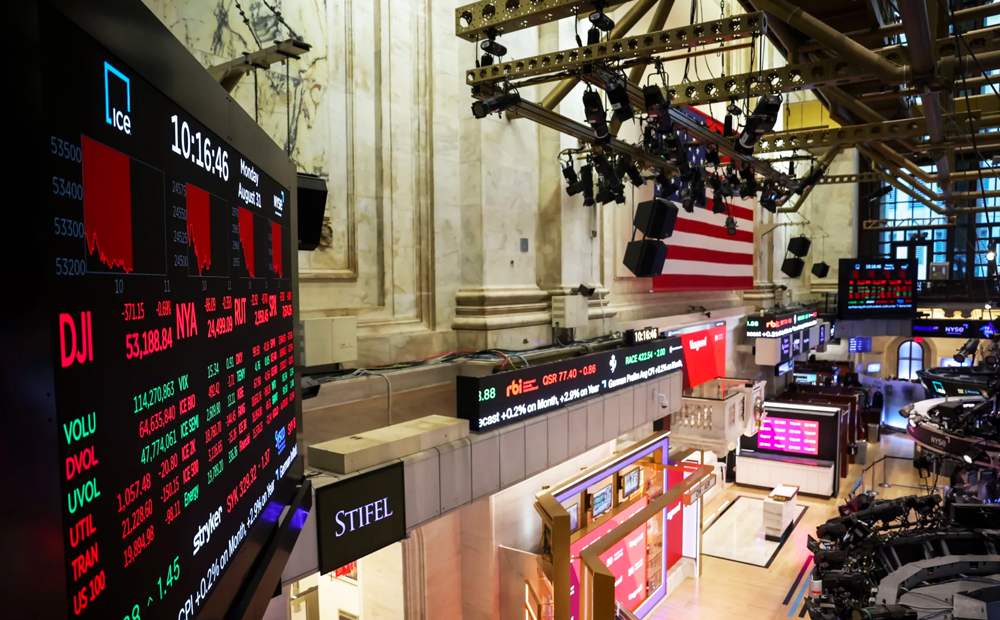
The immediate market reaction was dramatic but short-lived. The 30-year Treasury yield fell from 5.28% on August 18 to 5.19% on the day of the announcement. It rebounded to 5.23% the next day and 5.27% by August 21. By September 1, the 10-year yield had climbed to roughly 4.79%, its highest level since January 2025, as renewed pressure on oil prices and expectations of tighter Federal Reserve policy drove another global bond selloff.
That reversal matters for the inflation question. The main way lower long-term yields could stimulate inflation is by reducing mortgage rates, business financing costs and other forms of credit. But Treasury yields did not remain lower, meaning the intervention has not yet produced the sustained easing in financial conditions required to create that effect. Bessent briefly moved bond prices; he did not reset the price of long-term money.
Inflation Expectations Barely Moved
Market-based inflation expectations offer another useful test. The 10-year breakeven inflation rate was 2.30% on both August 18 and August 19. It rose to 2.34% on August 20 and August 21, then eased back to 2.31% by August 31. A one-basis-point net increase is not evidence that investors suddenly expect the buyback program to generate materially higher inflation. It is more consistent with a market still focused on energy costs, fiscal deficits, heavy corporate borrowing and the Federal Reserve’s next move.
Household expectations were already elevated before the announcement. In July, median expectations stood at 3.6% over one year, 3.3% over three years and 3.0% over five years. Those readings show that the inflation backdrop was uncomfortable, but they cannot be attributed to a policy announced weeks later. The cleaner conclusion is that Bessent intervened in a market already worried about inflation—not that his intervention created those worries.
Why the Inflation Risk Is Still Real
The concern becomes more serious if Treasury repeatedly tries to suppress long-term yields while the Fed is attempting to restrain demand. Lower mortgage and corporate borrowing costs would support credit creation, investment and asset prices. A weaker dollar could also raise the cost of imported goods. Most importantly, an increasingly aggressive effort to override market yields could blur the line between debt management and monetary policy, leading investors to question whether inflation control remains the dominant objective.
This creates a possible policy collision. The Fed controls short-term rates, while Treasury can influence the amount and maturity of debt supplied to the market. If Treasury shifts more financing toward short-term bills while buying longer-term bonds, it may flatten the yield curve and reduce some long-term borrowing costs. But if the economy remains inflationary, the Fed may have to keep short-term rates higher—or raise them further—to offset that easing. The government would then become more exposed to refinancing costs as short-term debt matures, trading temporary relief at the long end for greater rollover risk at the front end.
Today’s Inflation Has Other, Larger Causes
The latest data show that inflation was already too high. Consumer prices rose 3.4% over the year through July, while core CPI increased 2.5%. The Fed’s preferred PCE index rose 3.7%, with core PCE at 3.3%. Headline PCE has now remained above the Fed’s 2% target for 65 consecutive months. Energy inflation, tariffs, resilient domestic demand and large public and private borrowing needs were all influencing prices and yields before Bessent expanded the buyback program.
The newest market pressure reinforces that point. Brent crude moved back above $90 a barrel as the Iran conflict intensified, renewing fears that energy inflation could accelerate. Federal Reserve Chair Kevin Warsh has responded by making price stability the central focus of policy and warning that the recent improvement in inflation is not yet convincing. Markets have consequently raised the probability of another rate increase. In other words, the dominant inflation story remains oil, fiscal demand, trade costs and monetary policy—not a buyback program that has yet to begin at its larger size.
The Greater Danger Is Credibility
Bessent’s biggest risk is not that a few billion dollars of buybacks instantly lifted consumer prices. It is that a surprise intervention creates the impression that Treasury wants to manage the level of long-term yields rather than improve market liquidity. If investors believe fiscal authorities will resist any increase in borrowing costs without addressing the deficit, they may demand a larger inflation and credibility premium. That would push yields higher, defeating the original purpose of the operation.
Durably lower long-term rates require investors to believe that inflation will return to target and that federal borrowing will become more manageable. Buybacks can make older securities easier to trade, but they cannot substitute for a credible fiscal path. The market’s rapid reversal after August 19 was a blunt reminder: liquidity tools can smooth trading, but they cannot overrule inflation, debt supply or risk perception for long.
MarketMind Insight
Bessent’s bond-market intervention has not made U.S. inflation worse—at least not yet. The expanded purchases have not started, the inflation data predate the announcement, long-term yields quickly rebounded and market-based inflation expectations remain broadly stable. The criticism is therefore best understood as a warning about what the policy could become, not a diagnosis of what it has already done.
Investors should watch the first enlarged operations beginning September 9, along with the dollar, mortgage rates, Treasury auction demand and inflation breakevens. If nominal yields fall while the dollar weakens and breakevens rise, the inflation concern will gain evidence. If expectations remain anchored and the effect is limited to improved trading in older bonds, the program will look more technical than inflationary. For now, the bond market has not been rescued—and inflation has not been made worse by the rescue attempt.