
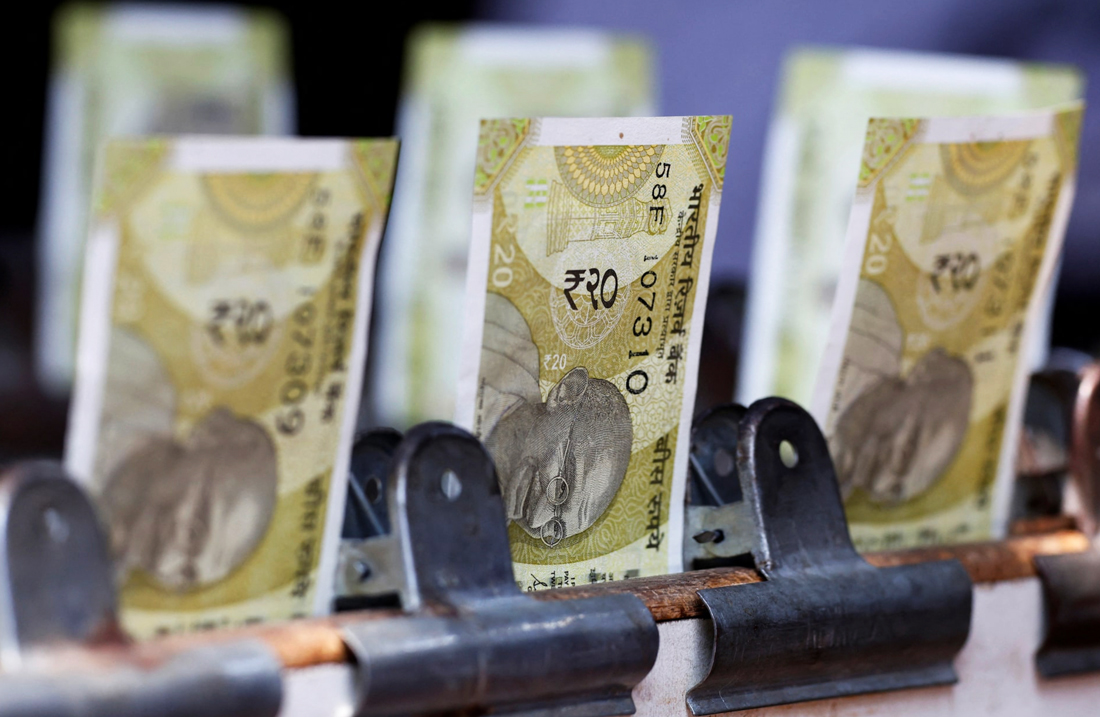
The Indian rupee closed Friday at about ₹96.73 per US dollar, close to its record low of ₹96.96, reached in May. The Reserve Bank of India has announced fresh steps to relieve pressure, but the forces behind the currency’s slide extend beyond speculative trading. Oil is making India’s import bill more expensive, while high global yields are supporting the dollar and tightening financial conditions.
Oil Turns the Pressure Up
India’s reliance on imported crude makes a sustained rise in oil prices a direct strain on its external accounts. When energy costs climb, importers need more dollars to pay suppliers. That extra demand can weigh on the rupee, while higher fuel costs also raise the risk of inflation and complicate the outlook for interest rates.
Brent crude moved above $100 a barrel this week, with Middle East supply concerns adding to volatility. The currency is therefore exposed to two linked effects: higher oil prices increase demand for dollars, and the inflation they can generate may make investors more cautious about Indian assets.
Yields Strengthen the Dollar’s Pull
The US 10-year Treasury yield reached 5.34% earlier this month, its highest level since 2002. Higher returns on US government debt can make dollar assets more attractive to global investors, putting pressure on emerging-market currencies. For India, the effect can be sharper when foreign investors are already reducing exposure to local assets.
Indian government bond yields have also risen, with the 10-year benchmark around 7.3% on Friday. That move reflects domestic concerns, including the inflation and borrowing-cost implications of expensive oil, as well as the wider global bond sell-off. Higher local yields may support demand for rupee assets at the margin, but they also signal tighter financing conditions for the government and businesses. The currency’s path depends on the relative appeal of Indian assets, the dollar’s strength, and the flow of investment—not on one yield in isolation.
What the RBI Can Do
The RBI’s latest step is to supply dollars directly to three state-run oil companies through a special window beginning October 12. By meeting some of their dollar needs from reserves, the central bank aims to reduce the oil companies’ demand in the spot foreign-exchange market. It has also tightened rules around currency derivatives, including reducing the limit for certain positions without proof of underlying exposure.
These measures can ease immediate market pressure and discourage leveraged bets against the rupee. They cannot make imported oil cheaper or erase the dollar payments India must make for its energy needs. Direct dollar sales also draw on foreign-exchange reserves: reserves had fallen to about $734.6 billion by October 2, roughly $50 billion below their September peak, amid intervention and other movements.
The Limits of Intervention
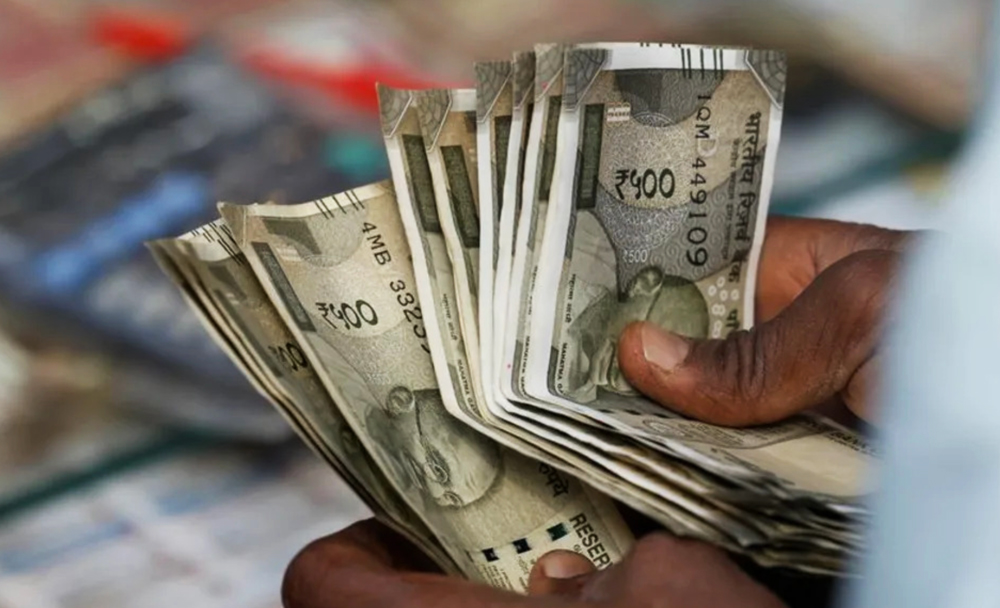
The RBI can smooth sharp moves, supply dollars during periods of strain, and use regulation to discourage excessive speculation. But defending a particular exchange-rate level becomes harder when the underlying demand for dollars remains strong. Persistent oil costs, global yields and portfolio flows will continue to matter even if new rules reduce volatility in the short term.
A weaker rupee also raises the domestic cost of imported energy, creating a trade-off for policymakers. Interest-rate increases may help contain inflation or support currency confidence, but they can also raise borrowing costs and slow activity. The central bank’s challenge is to preserve orderly trading without spending reserves or tightening policy as if either tool could permanently reverse external pressure on its own.
MarketMind Insight
The rupee’s test is not simply whether it crosses a record-low threshold. It is whether the combination of oil costs, global yields and capital flows begins to ease. RBI measures can buy time by reducing near-term dollar demand and curbing disorderly positions; lasting relief will depend more on those external pressures settling. Until then, intervention may limit the speed of the decline, while leaving the direction of travel exposed to events beyond the central bank’s control.