
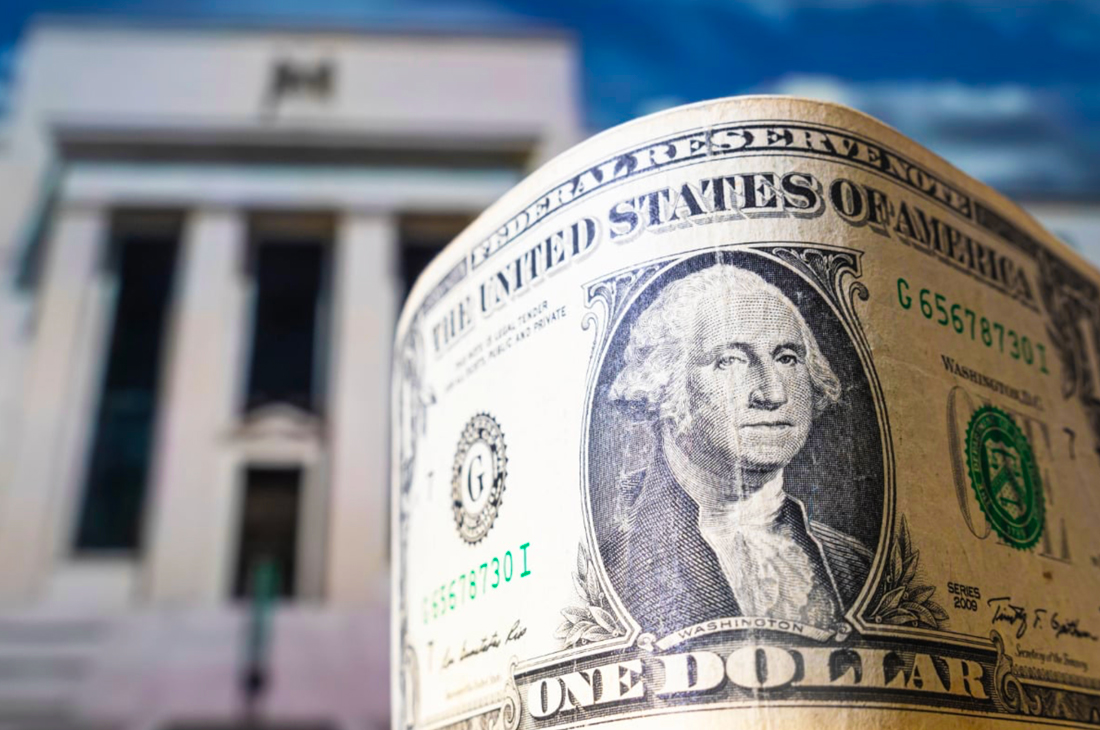
The Federal Reserve’s September rate increase gave the dollar a clear source of support. On September 16, the Fed raised its target range by a quarter percentage point to 3.75%–4.00%, saying inflation remained elevated even as economic activity continued to expand. Higher U.S. interest rates can attract capital seeking better returns, especially when other central banks are moving more cautiously. But the dollar’s outlook depends on why those rates stay high.
The Case for Dollar Strength
The immediate argument is straightforward: a higher policy rate lifts the return available on short-term dollar assets. If investors expect the Fed to keep rates elevated while other central banks ease or hold steady, the yield gap can favour the dollar. September’s decision also signalled that the Fed is prepared to act against inflation despite the added cost of borrowing.
That support could last if incoming data show an economy strong enough to withstand tighter policy. Solid employment and spending would give the Fed room to focus on prices without raising immediate fears of a sharp downturn. In that setting, higher yields reflect both an attractive return and confidence in the U.S. economy.
Inflation Complicates the Picture
Inflation is the reason for the hike, but it is also a limit on what the hike can achieve for the currency. Consumer prices rose 3.4% over the year through August, while July’s personal consumption expenditures price index rose 3.7% from a year earlier. Both measures were above the Fed’s 2% goal. The figures cover different months and use different methods, but together they show why investors cannot assume the inflation problem is settled.
For the dollar, the distinction is between higher nominal yields and better inflation-adjusted returns. If rates rise because the economy is resilient and inflation is coming under control, dollar assets become more compelling. If yields rise mainly because investors expect prices to keep climbing, the extra return may buy less than it appears to. Another oil-driven increase in prices could lift expectations of further Fed tightening while also making the path back to stable inflation harder.
The Fiscal Question Behind Treasury Yields
Federal borrowing adds another layer. The Congressional Budget Office projected a $1.9 trillion deficit for fiscal 2026, and the Treasury has outlined substantial market borrowing needs. Persistent deficits mean investors must absorb a continuing supply of U.S. debt. Higher yields can help attract those buyers, but they also increase the government’s interest costs over time.
That creates two possible readings of a rising Treasury yield. It may reflect confidence that U.S. growth will stay strong and rates will remain high. It may also reflect a demand for more compensation to hold longer-term debt amid inflation and fiscal uncertainty. The first reading tends to support the dollar. The second is less reassuring, particularly if borrowing costs rise without a comparable improvement in economic growth.
What Comes Next
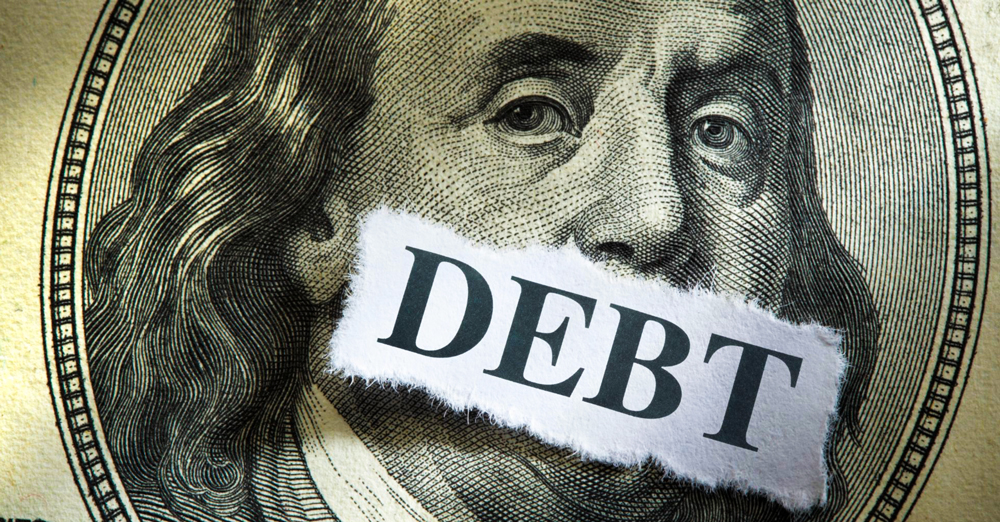
The next test is whether the Fed’s higher rate is followed by convincing progress on inflation. Investors will also watch whether U.S. yields remain attractive relative to those abroad and how readily Treasury debt is absorbed. A dollar rally built on durable growth and improving price stability has a stronger foundation than one driven solely by the prospect of ever-higher rates.
MarketMind Insight
September’s hike strengthened the dollar’s near-term case, but it did not settle the longer-term debate. The dollar benefits when higher rates offer a genuine return backed by a resilient economy. Inflation that persists and borrowing that becomes more costly could erode that advantage. The key question is whether the Fed can turn today’s rate support into lasting confidence in U.S. purchasing power.