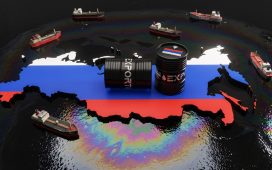
OPEC+ heads into a closely watched virtual meeting on Sunday, September 6, with the oil market in a very different position from the one that drove the producer group to steadily restore supply earlier this year. The seven countries participating in the latest round of voluntary adjustments — Saudi Arabia, Russia, Iraq, Kuwait, Kazakhstan, Algeria and Oman — are widely expected to leave their October production policy unchanged rather than announce another increase. That would effectively mark a pause after months of quota increases and shift the group’s attention from returning barrels to the market toward managing geopolitical disruption, actual production levels and the increasingly difficult question of how much each member should be allowed to produce in 2027.
Where OPEC+ Output Stands Now
At its August 2 meeting, the seven OPEC+ producers agreed to increase their combined September production target by approximately 188,000 barrels per day. Saudi Arabia and Russia were each allocated increases of about 62,000 barrels per day, while smaller increases were distributed among Iraq, Kuwait, Kazakhstan, Algeria and Oman. The move completed the phased unwinding of approximately 1.65 million barrels per day of voluntary cuts introduced in 2023.
That does not mean OPEC+ has eliminated its production restraints. Another layer of cuts covering much of the broader 21-country alliance remains scheduled through the end of 2026. More importantly, the headline quotas increasingly differ from the amount of crude actually reaching the global market. Production and exports have been constrained by disruptions connected with the conflicts involving Iran and Ukraine, affecting Gulf shipments as well as flows from Russia and Kazakhstan. OPEC+ can raise a quota on paper, but that does not automatically translate into an equivalent increase in barrels available to refiners.
Why Sunday Could Bring a Pause

The strongest expectation going into Sunday is therefore no additional October increase. Reuters reported this week that three sources familiar with the discussions expect the group to maintain its existing policy. Such a decision would be consistent with expectations surrounding the August meeting, when OPEC+ sources indicated that the September increase could be followed by a pause.
There is also less urgency to add supply while geopolitical disruptions are already tightening physical flows. Brent crude has recently traded around the mid-$90s per barrel as concerns surrounding the Strait of Hormuz and broader Middle East supply risks have returned to the foreground. The result is an unusual environment for OPEC+: prices are elevated, but deliberately increasing quotas may do relatively little to calm the market if transportation routes and actual exports remain constrained.
The Difference Between Quotas and Real Barrels
That distinction could become one of the most important themes for oil investors through the remainder of 2026. OPEC+ spent much of the year increasing permitted production, but actual supply has not consistently risen by the same amount. When geopolitical disruptions, maintenance, capacity limitations or compensation for previous overproduction prevent members from reaching their targets, a quota increase can look bearish on paper without producing the physical surplus normally associated with higher OPEC+ output.
The September agreement also reaffirmed that participating countries must compensate for volumes produced above their agreed limits since January 2024. That requirement can offset part of the supply being restored elsewhere in the alliance. As a result, investors increasingly need to watch exports and realized production rather than announced quotas alone.
The Bigger Fight Is Moving Toward 2027
Sunday’s decision may ultimately prove less consequential than the negotiations developing behind it. OPEC+ is reviewing the sustainable production capacity of individual members to establish the baselines that will determine future quotas. DeGolyer and MacNaughton is conducting assessments for most participating countries, with its work expected to feed into negotiations over the group’s 2027 production framework.
Baselines matter because they determine how much each producer can pump before a percentage-based cut is applied. Countries that have invested heavily in additional capacity naturally want those investments reflected in higher baselines, while producers with limited spare capacity risk losing relative influence if the system is recalibrated. Iraq is among the members seeking recognition of greater production capability. That makes the coming negotiations about considerably more than the next few hundred thousand barrels per day: they concern how market share will be distributed inside OPEC+ over the next several years.
What Sunday Means for Oil Prices
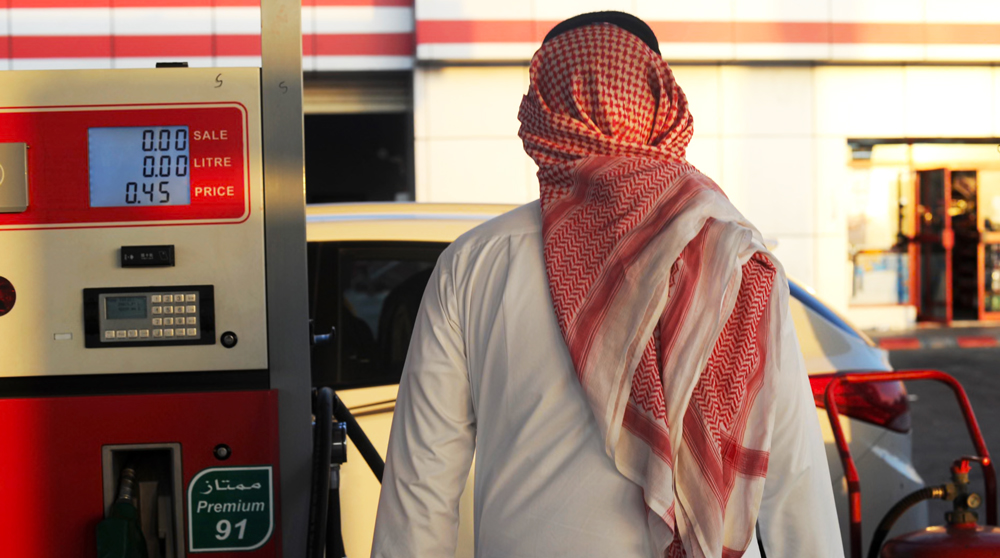
An unchanged October policy would remove one immediate bearish risk for crude. Traders would no longer have to price another scheduled OPEC+ supply increase into the fourth quarter, while geopolitical uncertainty continues to threaten existing exports. That combination could provide underlying support for oil prices even if OPEC+ itself does nothing.
For Brent and WTI, the market reaction will therefore depend less on whether OPEC+ formally freezes quotas and more on what the group says about future production. A straightforward pause would largely confirm current expectations. Any indication that increases could resume later this year would be more bearish. Conversely, language suggesting that OPEC+ is prepared to maintain current limits — or respond to a deterioration in market conditions — would reinforce the idea that the producer alliance is becoming more defensive after spending much of 2026 restoring supply.
For energy equities, maintaining output policy could be supportive for producers benefiting from elevated crude prices, particularly companies in North America that can sell into a market experiencing disruptions elsewhere. Refiners face a more complicated picture because higher crude costs can pressure margins unless product prices rise alongside feedstock costs. Oil-importing economies in Europe and Asia remain the most exposed to a sustained period of elevated prices, particularly if shipping disruptions persist.
MarketMind Insight
Sunday’s OPEC+ meeting may be important precisely because the group is expected not to move. After months of gradually returning production, the alliance appears ready to pause and assess what the market can actually absorb — and how much oil its members can realistically deliver.
The bigger shift is from short-term supply restoration toward long-term quota politics. September completes the rollback of one major layer of voluntary cuts, while approximately 2 million barrels per day of broader OPEC+ restraints dating from 2022 remain in place. At the same time, the group is preparing to determine the production baselines that could govern output in 2027.
For investors, that changes what matters. The headline from Sunday may simply read “OPEC+ holds output policy steady.” The more consequential question is whether actual barrels continue to lag permitted production and how the alliance eventually divides its future capacity. In a market already being driven by geopolitical disruption, shipping risk and uneven supply, OPEC+ no longer needs to announce a large production change to move expectations. Sometimes holding the line says enough.