
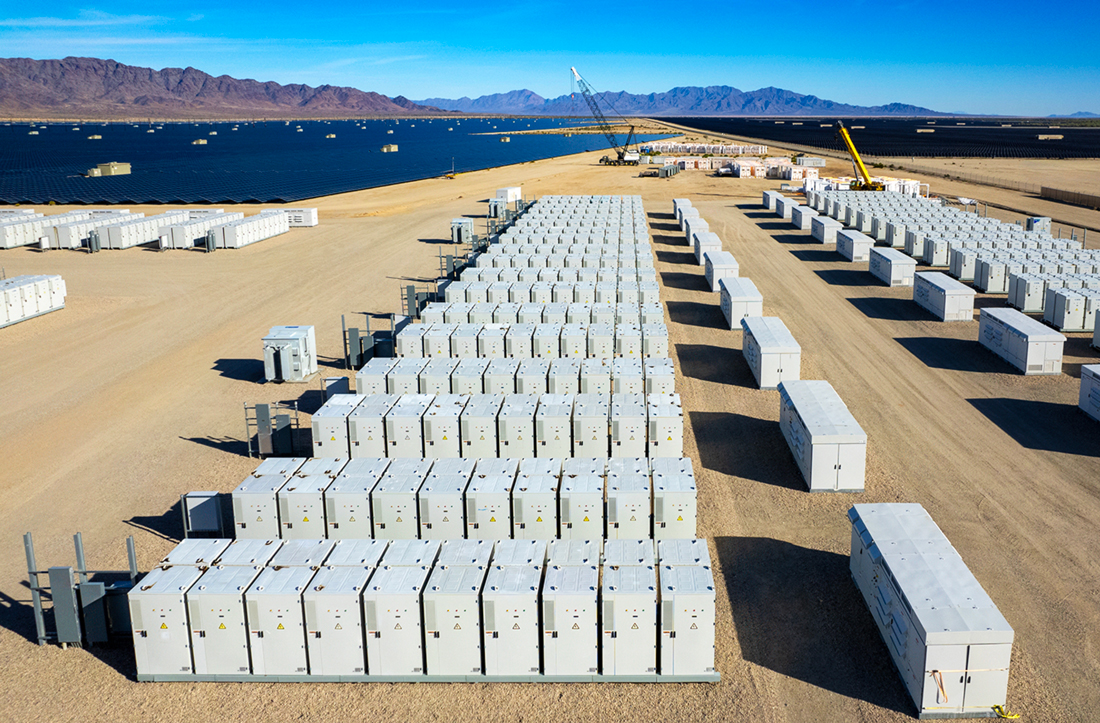
Electricity has traditionally been the most time-sensitive commodity in the world. Power generated at noon had to be consumed at noon, while evening demand had to be met by whatever plants were available at that moment—often higher-cost natural gas generators. Grid-scale batteries are breaking that relationship by allowing electricity to be bought, stored and resold hours later. The result is not simply more renewable energy on the grid. It is a fundamental change in when electricity has value, which technologies set market prices and where investors can earn returns.
Battery storage is now moving from a supporting role into the centre of power-market operations. Global battery-storage additions reached 108 gigawatts in 2025, approximately 40% more than in 2024, while installed capacity rose to eleven times its 2021 level. Around four-fifths of the new capacity was utility-scale, and more than 90% of projects commissioned during the year were designed primarily for energy shifting rather than only for frequency regulation or other short-duration grid services. The market is no longer treating batteries as emergency equipment. It is increasingly treating them as power plants whose fuel is time.
Electricity Gains a Time Dimension
Wholesale electricity prices are determined by the cost of supplying the next unit of demand. During a sunny afternoon, abundant solar generation can push that marginal cost extremely low or even below zero. Once the sun sets and demand remains elevated, the grid may need increasingly expensive gas-fired generation, causing prices to rise sharply. A battery inserts itself between those two periods: it charges when electricity is plentiful and discharges when supply becomes tighter.
This creates pressure in both directions. Battery charging adds demand during low-price periods, helping lift the market away from deeply negative prices and reducing renewable curtailment. Battery discharging adds supply during expensive periods, reducing the need to call on the highest-cost generators. The overall effect is usually a narrower daily price spread, with slightly firmer prices during surplus hours and lower prices during evening peaks. Batteries do not necessarily drive the annual average price lower in every market, but they can substantially change the distribution of prices by reducing the most extreme highs and lows.
The economics resemble arbitrage, although storing electricity is not free. Some energy is lost during charging and discharging, batteries degrade as they are cycled, and operators face connection, maintenance and market-participation costs. A profitable project therefore needs more than a difference between the charging and selling price. It needs a spread large enough to cover losses, degradation and financing while still producing an acceptable return.
From Grid Support to Price Setter
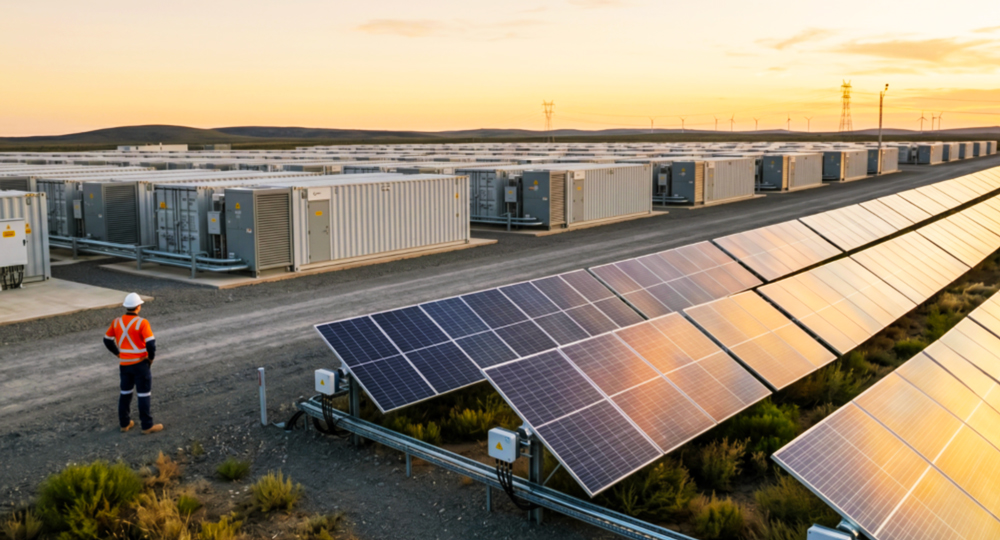
Battery deployment has reached the scale where it can visibly alter market outcomes. The United States had nearly 52 gigawatts of utility-scale battery capacity by the end of June 2026, after adding 8.3 gigawatts during the first half of the year. California has become the clearest example of what happens when large amounts of storage meet large amounts of solar. The state’s battery capacity has grown from less than one gigawatt in 2019 to more than 17 gigawatts, allowing batteries to absorb midday solar output and return it to the grid during the evening.
On March 29, 2026, California batteries supplied more than 40% of the state’s electricity demand at one point during the evening. Batteries also provided more than 60% of the state’s hour-to-hour ramping needs during the first quarter, compared with less than 1% five years earlier. That means storage is increasingly performing the job once dominated by flexible gas plants: rapidly increasing output as solar generation fades.
Australia is showing a similar transition. During the first quarter of 2026, batteries more than tripled the amount of electricity shifted from daytime into the evening peak. They became the most frequent price-setting technology in the National Electricity Market, determining wholesale prices in approximately 32% of trading intervals. Average wholesale prices fell 12% from a year earlier to A$73 per megawatt-hour, although stronger renewable production, lower gas generation and other market conditions also contributed to that decline. The important development is that batteries are no longer merely responding to electricity prices. They are increasingly helping establish them.
The Peak-Power Premium Is Being Compressed
The first major casualty of large-scale storage is the traditional evening scarcity premium. Gas peaker plants were built to operate during the relatively small number of hours when demand was high and cheaper generation was unavailable. Their economics relied on elevated prices during those periods. Batteries can respond faster, begin generating almost instantly and avoid purchasing fuel precisely when fuel-based generation is most expensive.
This does not make gas generation obsolete. Most battery projects still provide between two and four hours of sustained output, while extreme weather, prolonged renewable shortfalls and multiday reliability events can last much longer. Gas, hydroelectric power, nuclear generation, demand response, transmission and longer-duration storage will all continue to play important roles. What changes is the frequency with which gas plants are needed and the type of revenue required to keep them available.
As batteries capture more evening peaks, gas generators may earn less from routine energy sales and depend more heavily on capacity payments, operating reserves or rare scarcity events. Power markets that rely exclusively on energy prices could therefore face a difficult balancing act: batteries suppress normal price spikes, but the grid may still need thermal plants for events that batteries cannot cover. Market design will have to compensate dependable capacity without protecting inefficient generation from competition.
Renewable Energy Becomes More Valuable—But Not Automatically
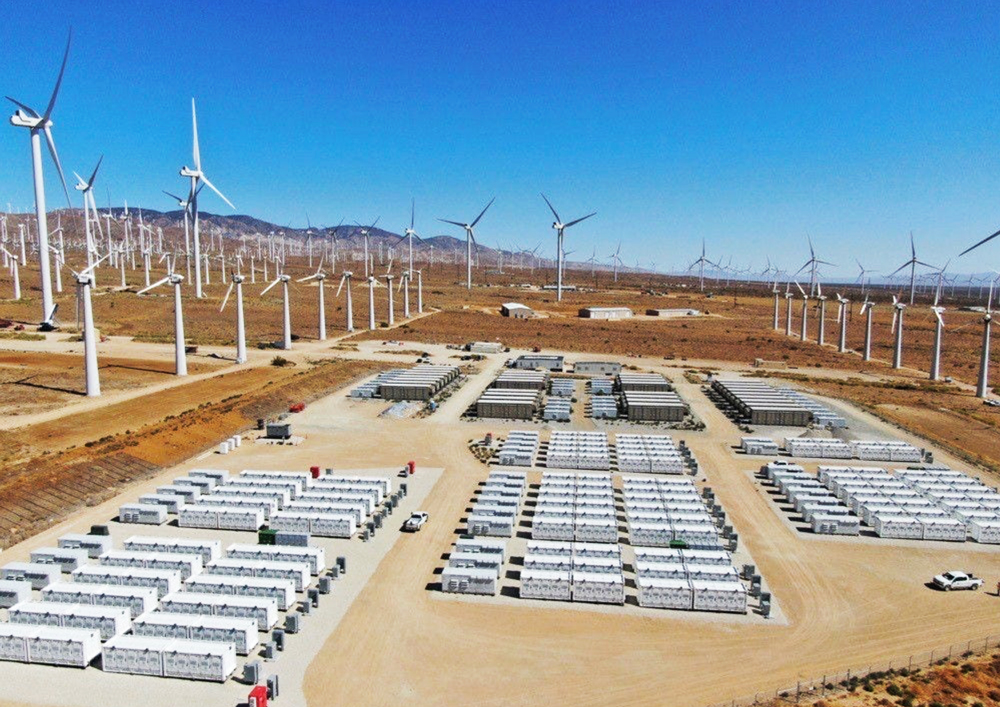
Storage can improve the economics of solar and wind by reducing their exposure to low-value production hours. A solar project without storage must generally sell electricity when the sun is shining, even if every neighbouring facility is producing at the same time. As solar penetration rises, that concentration can depress the price received by solar generators—a phenomenon often called value cannibalization. Adding a battery allows part of that production to be held back and sold when the grid values it more highly.
This can support higher renewable capture prices, reduce curtailment and make solar-plus-storage projects better suited to contracts that require delivery during specific hours. It also changes how corporate buyers and utilities evaluate clean-power agreements. The relevant product is increasingly not the cheapest available megawatt-hour, but electricity delivered during the hours when the buyer actually needs it.
However, storage also contains its own version of the cannibalization problem. A battery enters a market because the difference between low and high prices is attractive. As more batteries follow, their collective charging raises low prices and their discharging lowers high prices. The very activity that produces the revenue gradually compresses the opportunity. Future projects will therefore require better locations, longer duration, lower financing costs or additional contracted revenue rather than relying on yesterday’s price spreads continuing indefinitely.
Duration Becomes the New Competitive Divide
Battery power and battery energy are not the same thing. Megawatts measure how much electricity a system can deliver at one moment, while megawatt-hours measure how long it can sustain that output. A 500-megawatt battery with 1,000 megawatt-hours of energy can operate at full power for approximately two hours. A facility with the same power rating and 2,000 megawatt-hours can continue for four hours.
Average duration among newly commissioned utility-scale batteries increased from roughly two hours in 2023 to three hours in 2025, with a growing number of four-hour projects. This shift matters because a short-duration battery may be well suited to frequency regulation or brief price spikes but unable to cover a long evening peak. Longer-duration projects can move more renewable energy, compete across a broader group of high-priced hours and provide greater capacity value, although they also require more cells and larger upfront investment.
For investors, duration must be matched to the market rather than treated as a simple race for the largest battery. A two-hour project can outperform in a market dominated by short, sharp volatility. A four-hour project may be more valuable where solar output falls several hours before demand declines. Storage lasting eight hours or longer may become increasingly important as renewable penetration rises, but it must compete with pumped hydro, thermal storage, demand flexibility and other long-duration technologies.
The Market Opportunity Differs by Region

California and Texas remain important merchant-storage markets because rapid renewable growth creates substantial intraday price movement. Their expanding battery fleets also demonstrate the revenue risk of success: ancillary-service markets can become saturated, arbitrage spreads can narrow and connection queues can delay otherwise viable projects. Location within the grid is becoming as important as statewide demand, because a battery positioned near a persistent transmission constraint can be worth considerably more than one connected where flexibility is already abundant.
Europe presents a more fragmented opportunity. Frequent periods of low or negative prices create strong incentives for energy shifting, while capacity mechanisms and balancing markets can supply additional revenue. Yet connection delays, changing market rules and differences between national power systems make project selection critical. Great Britain is using batteries more extensively in its balancing mechanism, while Italy is supporting longer-duration capacity through dedicated procurement. The broader direction is clear: European storage is moving from short grid-services contracts toward deeper participation in energy and capacity markets.
Canada’s development is more procurement-led. Ontario’s 250-megawatt, 1,000-megawatt-hour Oneida facility entered the system in 2025, and the province has contracted additional storage to meet growing capacity and reliability needs. New awards announced in 2026 are expected to bring Ontario’s total battery-storage portfolio above 3,500 megawatts by 2030. In hydro-rich provinces, storage may have less pure energy-arbitrage value, but it can still provide local capacity, operating reserves and congestion relief.
The Middle East is emerging as another major growth market. More than three gigawatts of battery capacity was added across the region in 2025, driven overwhelmingly by Saudi Arabia. Because many regional electricity systems do not use the same fully merchant price structures as Texas or parts of Europe, the value proposition is different. Batteries are more likely to be rewarded through contracted capacity, fuel savings, solar integration and system reliability than through independent wholesale arbitrage alone.
Wholesale Savings Do Not Immediately Become Lower Bills
Lower evening wholesale prices do not automatically translate into equally large reductions in household electricity bills. Retail prices also include transmission, distribution, taxes, policy costs, utility administration and the expense of maintaining enough capacity for extreme conditions. Storage projects themselves must also be paid for, whether through wholesale-market revenue, long-term contracts or regulated utility investment.
The consumer benefit is therefore broader than a simple reduction in the average wholesale price. Batteries can reduce exposure to extreme price spikes, limit renewable curtailment, lower balancing costs and delay selected network investments. They may also reduce the amount of fuel burned by inefficient peaker plants. Those benefits can eventually moderate system costs, but the result depends on competitive procurement, intelligent placement and market rules that prevent storage owners from being paid several times for the same service without delivering corresponding value.
What Investors Should Watch
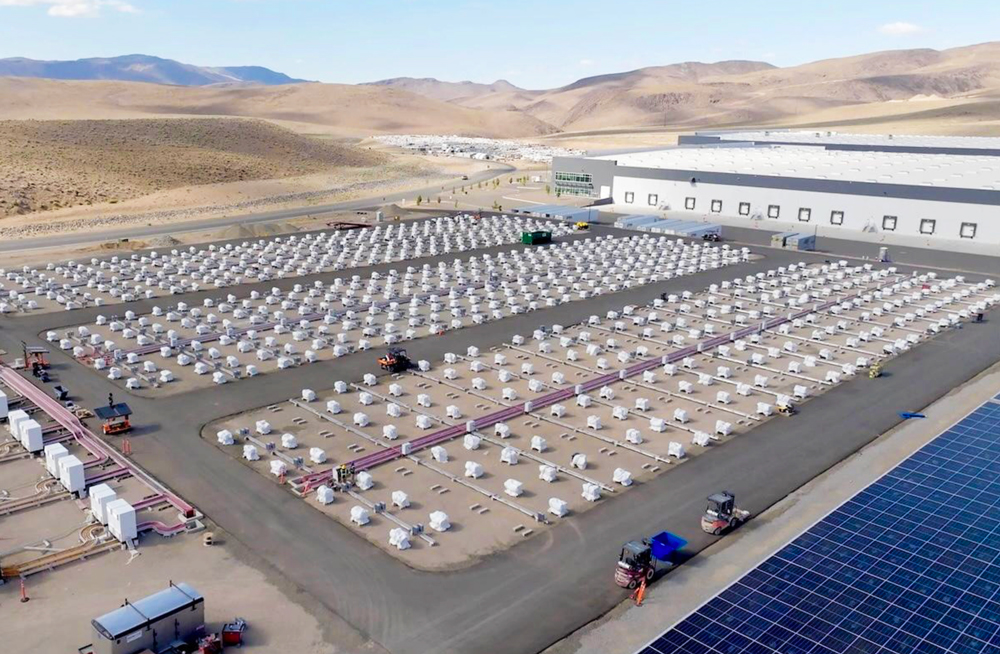
The most important storage metrics are no longer headline capacity announcements. Investors need to examine duration, expected cycling, degradation guarantees, grid-connection dates, local congestion, charging costs and the proportion of revenue protected by contracts. Projects depending almost entirely on merchant arbitrage face greater exposure to falling price spreads, while projects relying on one ancillary service can suffer when that market becomes crowded. Stronger assets can move between energy trading, capacity, reserves and grid-support services as conditions change.
Software is also becoming a larger source of competitive advantage. The battery itself is increasingly standardized, particularly as lithium-iron-phosphate technology accounts for most new deployments. The ability to forecast prices, preserve state of charge, manage degradation and bid across several markets can determine whether similar physical assets produce very different returns. In storage, steel and cells get the attention, but dispatch strategy often decides who gets paid.
MarketMind Insight
Battery storage is not simply adding another source of supply. It is converting time into a tradable component of electricity. Low-priced afternoon power can now compete with evening gas generation, renewable projects can separate production from delivery, and scarcity prices that once belonged almost exclusively to fossil-fuel plants are being contested by software-controlled assets.
That transformation will make many power markets less extreme, but it will not make them simple. As batteries flatten the price spreads that attracted them, revenue will migrate toward capacity, location, duration and operational intelligence. The winners will not necessarily be the companies installing the most megawatts. They will be the ones placing the right number of megawatt-hours at the right grid connection—and knowing exactly when to move them.