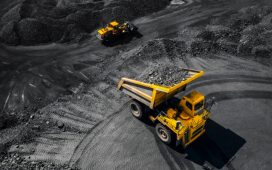
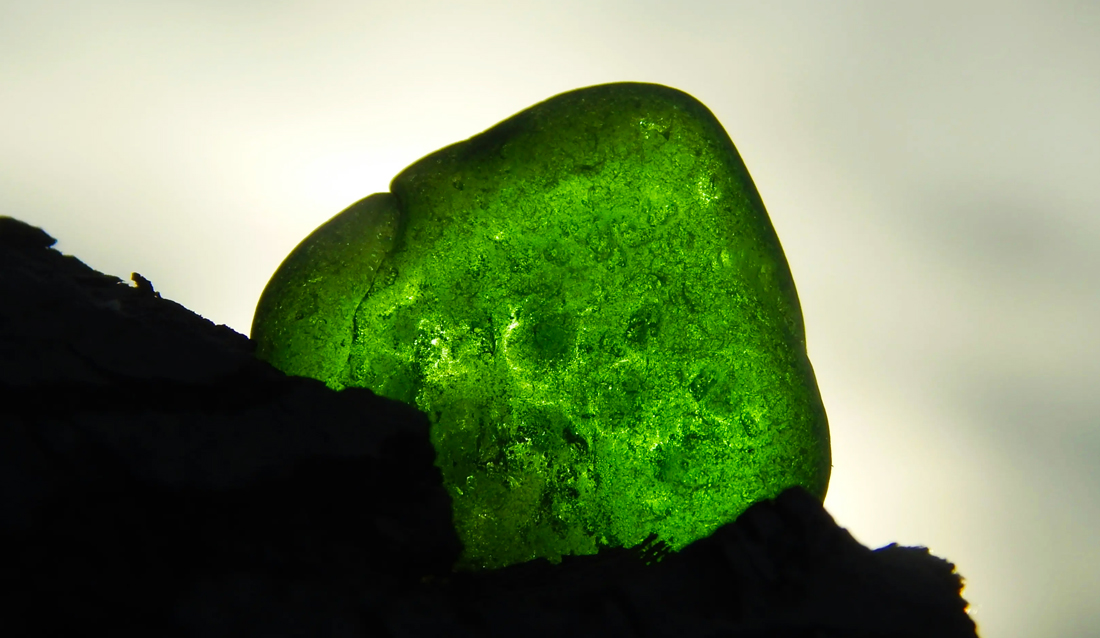
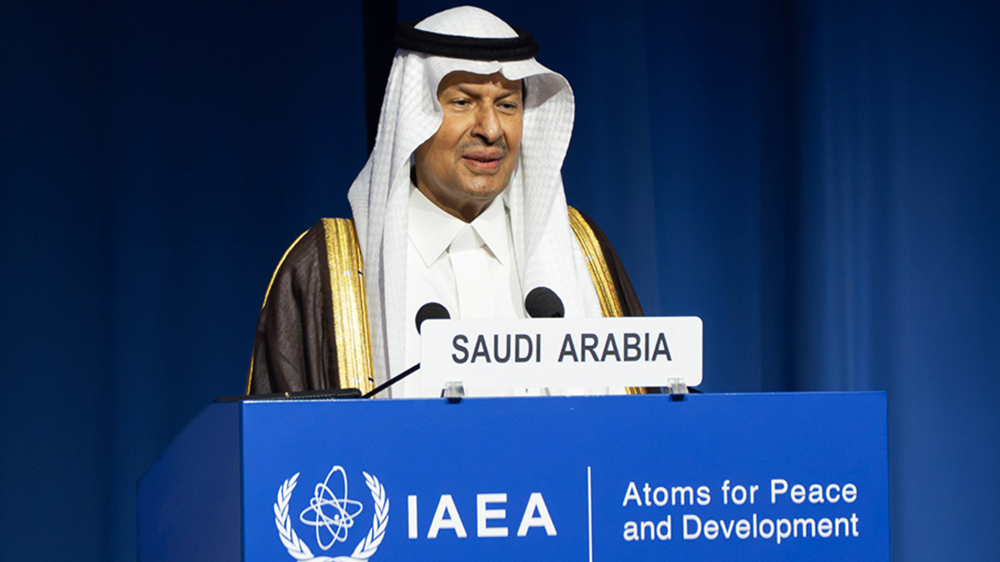
Saudi Arabia has identified an estimated 110 million tonnes of ore containing promising uranium concentrations and high levels of rare-earth minerals in the Madinah region. Announced by Energy Minister Prince Abdulaziz bin Salman during the International Atomic Energy Agency’s General Conference in Vienna, the discovery adds a potentially important resource to the kingdom’s expanding mining and nuclear-energy ambitions.
The scale of the announcement is significant, but the number requires careful interpretation. Saudi Arabia has not discovered 110 million tonnes of uranium. The estimate refers to the total quantity of mineralized ore, within which uranium and rare-earth elements are present. The eventual commercial value will depend on grades, recovery rates, processing requirements, capital costs and the amount of material that can be economically extracted.
What Saudi Arabia Actually Discovered
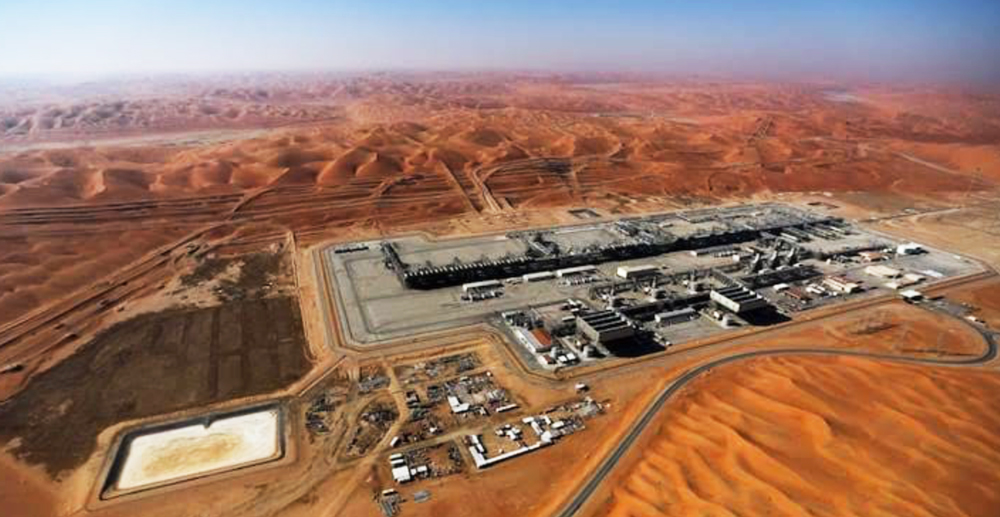
Exploration and geological studies at the Jabal Sayid project identified approximately 110 million tonnes of ore containing high concentrations of rare-earth minerals, particularly heavy rare-earth elements, alongside what the government described as promising uranium concentrations.
No detailed uranium grade, measured uranium quantity or independent reserve estimate has yet been publicly disclosed. Those figures will be essential for determining whether the deposit can support commercial uranium production. A large volume of low-grade ore may be less valuable than a much smaller high-grade deposit, particularly if extraction requires complex processing or substantial water and power.
The terminology also matters. A mineral resource indicates that potentially valuable material has been identified, while a reserve generally refers to the portion demonstrated to be economically recoverable under defined technical and market conditions. Additional drilling, metallurgical testing and feasibility studies will be needed before the Madinah resource can be treated as a future source of nuclear fuel.
More Than a Uranium Story
The discovery may be equally important for its heavy rare-earth content. These minerals are used across electric vehicles, wind turbines, advanced electronics, defence systems, robotics and other high-technology industries. Global processing capacity remains heavily concentrated in China, encouraging the United States, Europe and Gulf economies to develop alternative supply chains.
Saudi Arabia wants to move beyond exporting unprocessed minerals. Its strategy is to create an integrated domestic industry covering exploration, mining, separation, refining and advanced manufacturing. If the Madinah material proves commercially viable, the project could produce several revenue streams rather than depending on uranium alone.
Recovering uranium as a by-product of rare-earth or other mineral processing could improve project economics. The main mining operation would not need to rely entirely on uranium prices, while the kingdom could obtain a strategic material for its future energy system. Saudi officials have also pointed to the potential recovery of uranium associated with phosphate-fertilizer production, another route that could supplement conventional mining.
Supporting Saudi Arabia’s Nuclear Ambitions
Saudi Arabia is developing a peaceful civilian nuclear programme as part of its effort to diversify electricity generation, preserve hydrocarbons for export and meet rising domestic power demand. Nuclear energy could provide continuous generation alongside the kingdom’s rapidly expanding solar and wind capacity.
The discovery does not mean Saudi Arabia can immediately produce reactor fuel. Mined uranium must pass through several stages, including concentration into yellowcake, conversion, enrichment and fuel fabrication. Each stage requires specialized infrastructure, technical expertise, regulatory oversight and international safeguards.
Nevertheless, a viable domestic uranium resource could eventually give the kingdom greater control over the beginning of its nuclear-fuel supply chain. It would also strengthen Saudi Arabia’s position when negotiating international technology, investment and fuel agreements.
The announcement follows increased nuclear cooperation between Saudi Arabia and the United States. A civil nuclear agreement signed in July established a framework for a long-term partnership involving nuclear technology and enhanced verification arrangements. Saudi Arabia is also preparing to give the IAEA broader monitoring powers connected with sensitive nuclear activities.
These safeguards will be central to the programme’s international credibility. Uranium enrichment can produce fuel for civilian reactors, but the same underlying technology can raise proliferation concerns when material is enriched to higher levels. Transparent oversight will therefore influence which foreign governments and companies are willing to participate.
Vision 2030 Moves Deeper Into Mining
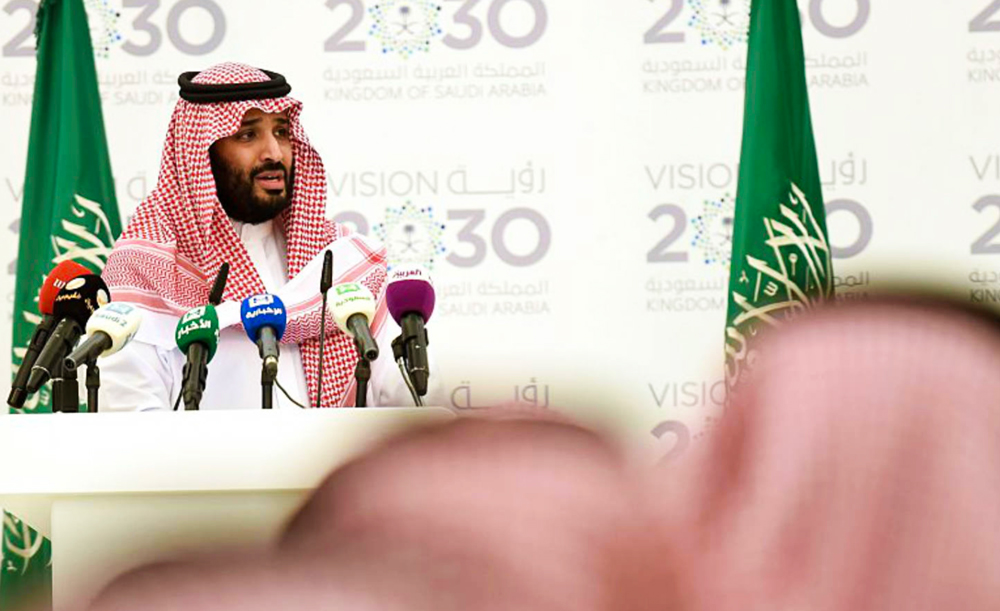
Developing Saudi Arabia’s mineral resources is a major component of Vision 2030, which aims to reduce the economy’s dependence on crude-oil revenue. Mining has been designated as a future pillar of the economy alongside energy, manufacturing, tourism and logistics.
The kingdom has increased geological surveying, revised its mining regulations and sought international partners with processing and technical expertise. Its enormous land area remains comparatively underexplored using modern methods, leaving potential for additional discoveries in uranium, gold, copper, phosphates and rare-earth elements.
Saudi Arabia also possesses advantages that could support mineral processing, including relatively inexpensive energy, established industrial zones, export infrastructure and access to capital. The challenge will be turning geological potential into operating projects with competitive costs and responsible environmental management.
Madinah’s discovery could attract mining groups, nuclear-fuel companies and rare-earth specialists. Partnerships will probably be especially important in mineral separation, where technical complexity and intellectual property create higher barriers to entry than conventional ore extraction.
Could Saudi Arabia Become a Uranium Producer?
Commercial production remains a longer-term possibility rather than an immediate outcome. The next steps are likely to include more drilling, detailed resource modelling, mineralogical analysis and testing to determine how efficiently the uranium and rare-earth elements can be separated.
Saudi Arabia would then need to complete economic studies, secure environmental approvals, construct processing facilities and establish appropriate systems for transporting and handling radioactive material. Even projects receiving strong government support can take years to move from discovery to production.
Water availability could become another consideration. Mineral processing can be water-intensive, and projects in arid regions may require desalination, recycling systems or dedicated pipelines. Power requirements, waste management and the safe storage of radioactive by-products will also influence development costs.
The kingdom’s cooperation with international nuclear and mining companies could shorten parts of the development process, but it cannot eliminate the need for technical validation. Until detailed grades and recovery economics are published, it is too early to estimate annual production or Saudi Arabia’s eventual share of global uranium supply.
What It Means for the Uranium Market
The discovery arrives as uranium demand is strengthening. Countries are extending reactor lifetimes, restarting idled units and planning new nuclear capacity as concerns over electricity reliability, emissions and energy security grow. Data centres and artificial-intelligence infrastructure are adding another potential source of long-term demand for continuous power.
The global uranium market remains concentrated, with Kazakhstan, Canada and Namibia responsible for roughly three-quarters of recent mine production. A commercially successful Saudi project could eventually improve geographical diversification, particularly for utilities seeking supply from politically aligned and financially stable jurisdictions.
However, the Madinah announcement should not materially change near-term uranium-market forecasts. No production schedule has been established, and the amount of recoverable uranium remains unknown. The deposit will not immediately increase available supply or reduce the need for new mines elsewhere.
Uranium was trading near $90 per pound in mid-September 2026, supported by growing contracting activity and concerns about future mine, conversion and enrichment capacity. Saudi production could become strategically important during the 2030s, but only if exploration results are converted into a technically and economically credible development plan.
The Investment Implications
The most immediate investment effect may be within Saudi Arabia rather than the global uranium market. The discovery could support spending on geological services, drilling, mine infrastructure, mineral processing, water systems and specialized industrial facilities.
Saudi mining companies may gain opportunities to form international partnerships, while foreign businesses could participate through technology licensing, engineering contracts and joint ventures. Rare-earth separation may offer particularly valuable opportunities because processing capacity outside China remains limited.
Investors should watch for the publication of uranium and rare-earth grades, formal resource classifications, recovery test results and preliminary economic studies. Announcements involving processing facilities, international operators or long-term buyers would provide stronger evidence that the discovery is moving toward commercial development.
The principal risk is confusing geological scale with economic value. Large headline tonnage can attract attention, but successful mining depends on concentration, metallurgy, infrastructure and development costs. Until those details are available, the discovery should be treated as a strategically promising resource rather than a confirmed mining windfall.
MarketMind Insight
Saudi Arabia’s Madinah discovery reinforces the kingdom’s ambition to become more than an oil exporter. By connecting mineral exploration with nuclear energy, rare-earth processing and advanced manufacturing, Riyadh is building a broader strategy around the materials that will power future industries.
The 110 million-tonne figure is impressive, but the real turning point will come when Saudi Arabia establishes how much uranium and rare-earth material can be recovered profitably. If commercial viability is confirmed, the project could support domestic nuclear-energy security, attract new industrial investment and give the kingdom a position in two strategically important commodity markets. For now, it is a major geological signal—with the economic verdict still waiting underground.