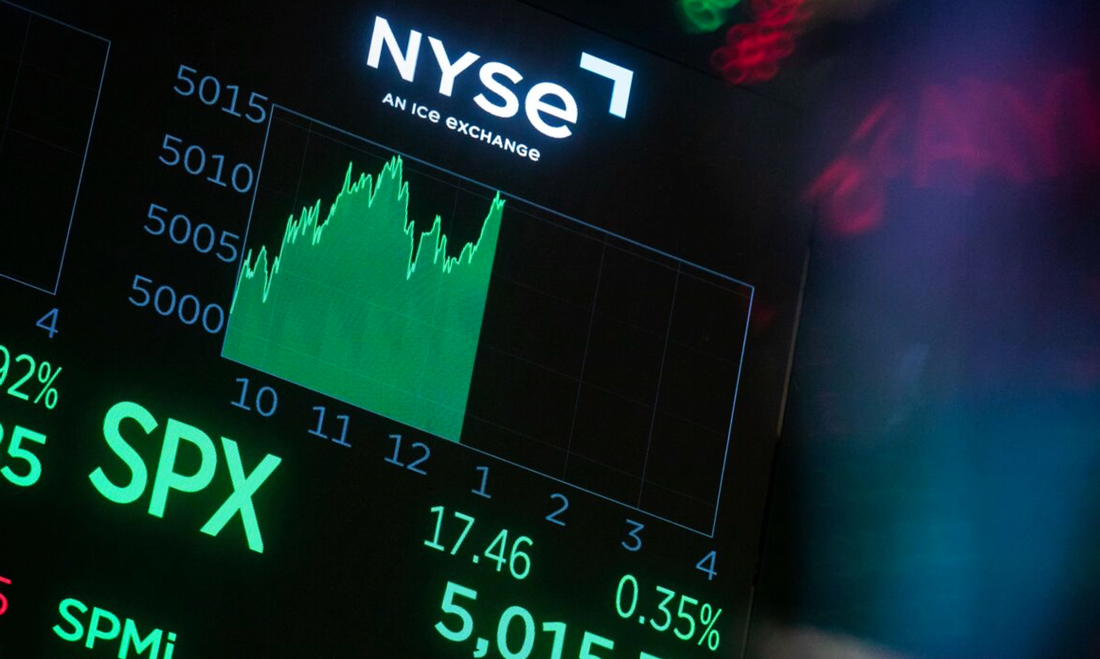
A market index can contain hundreds of companies and still depend heavily on a small group of them. In the S&P 500, the 10 largest constituents represented about 37% of the index as of September 30, 2026, while information technology made up 37.4% as of October 30. That concentration means weakness among a few mega-cap stocks could weigh on the benchmark even if many other companies hold steady.
How Concentration Shapes Index Returns
Most major equity indexes weight companies by market value. As a company grows relative to its peers, it takes up more space in the index, so its share-price moves have a larger effect on the overall result. Investors in broad index funds therefore own hundreds of stocks, but their returns can be driven disproportionately by the biggest names.
The largest companies are not all classified as technology businesses. Some sit in communication services or consumer discretionary, but their fortunes can still be tied to overlapping forces such as cloud demand, artificial intelligence investment, data-centre construction and digital advertising. That can make a broad index more sensitive to a common set of growth expectations than its company count suggests.
What A Technology Pullback Could Mean
If technology shares fall because investors question future growth, the index effect could extend beyond the sector. A reassessment of AI spending, for example, could affect chipmakers and equipment suppliers directly, while also raising questions about whether the large technology firms funding that investment will earn enough from it. The result could be pressure across several heavyweight constituents at once.
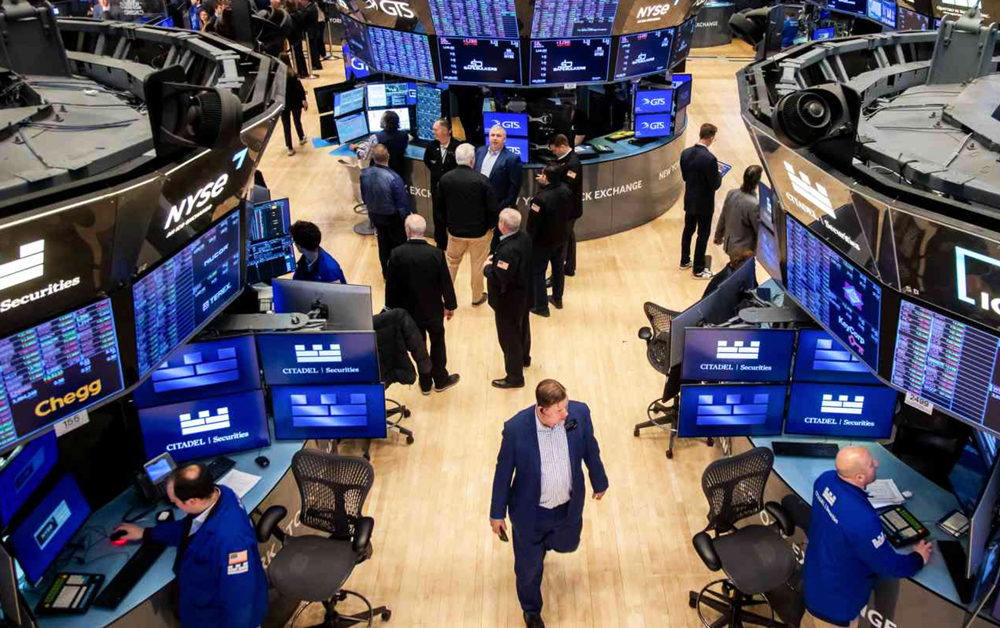
A concentrated decline can also hide what is happening across the wider market. The index might fall sharply even while smaller companies or less represented sectors perform better. Conversely, a handful of rising mega-caps can lift the benchmark while many individual stocks lag. Investors who follow only the headline index level may miss that difference in market breadth.
Concentration Is A Risk, Not A Forecast
Large index weights reflect the market value of successful businesses; they do not, on their own, prove that prices are unsustainable or that a reversal is imminent. Mega-cap companies can continue to grow, and strong earnings may support their valuations. The risk is that expectations become so important to index performance that a disappointment from a few leaders has an outsized effect.
For investors, the practical question is how much of a portfolio’s performance depends on the same companies and economic themes. Looking at sector weights, largest holdings and the balance between U.S. and international stocks can reveal exposures that a fund’s broad label may not make obvious.
MarketMind Insight
When a narrow group of companies carries a large share of an index, a technology downturn can become a benchmark-wide event. Concentration does not tell investors when leadership will change, but it does show why index diversification should be judged by the actual holdings and their shared drivers—not just by the number of stocks in the fund.