The U.S. dollar moved in opposite directions over two days as markets shifted between geopolitical relief and inflation concerns. On Monday, signs of progress toward ending the Iran crisis encouraged investors to move back into riskier assets, reducing demand for the dollar’s traditional safe-haven role. On Tuesday, hotter-than-expected U.S. inflation data revived expectations that interest rates could rise, giving the currency fresh support.
Diplomacy Eases Safe-Haven Demand
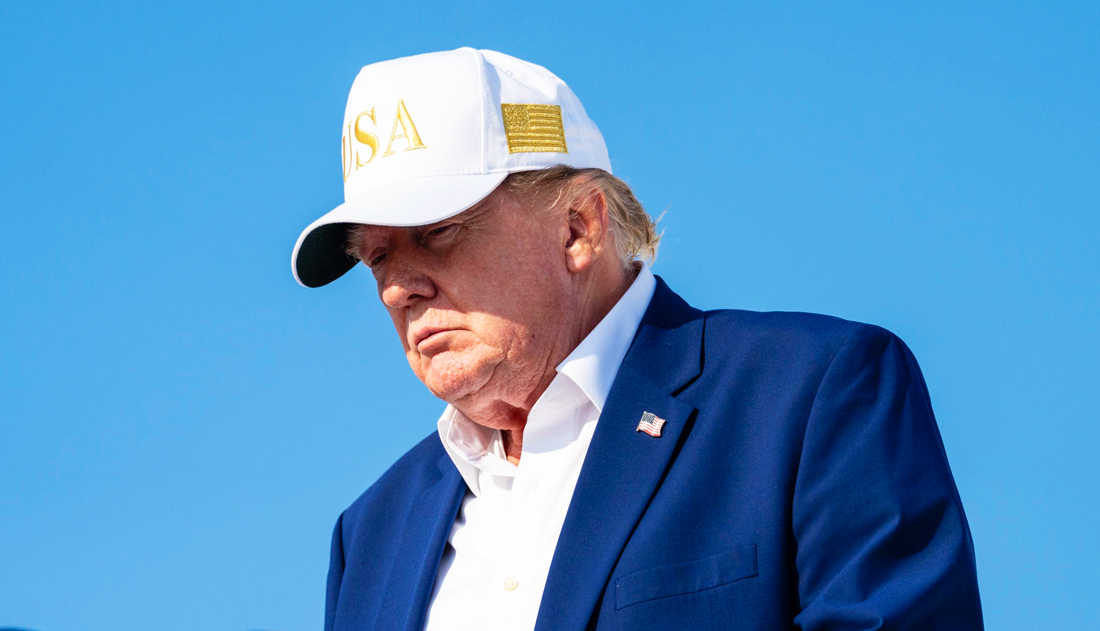
The dollar weakened on Monday after President Donald Trump signalled that further attacks on Iran were unlikely while diplomatic efforts continued. Investors also watched for talks involving Qatar, which has been working to support efforts toward an agreement.

As confidence improved, Brent crude fell nearly 6% and major U.S. stock indexes advanced. The euro rose about 0.6% against the dollar, while the dollar index—which tracks the greenback against a basket of major currencies—fell roughly 0.5%.
That move reflected a familiar market pattern: when immediate fears of escalation recede, investors may be more willing to hold currencies and assets seen as riskier than the U.S. dollar. Lower oil prices also helped ease some concern about energy-driven inflation, though any lasting change depends on whether diplomatic progress continues.
Inflation Reverses The Move
Tuesday’s U.S. consumer price report shifted attention back to interest rates. Consumer prices rose 0.4% in October, above economists’ 0.3% forecast. Core inflation, which excludes food and energy, also came in hotter than expected, rising 0.3%.
The report strengthened expectations that the Federal Reserve could raise rates in December. Higher expected U.S. rates can support the dollar by making dollar-denominated assets more attractive to investors, while also lifting Treasury yields. The dollar index rose about 0.3% after the release, while U.S. stocks fell and gold prices declined.
There was a limitation in the report: the U.S. Bureau of Labor Statistics did not publish an annual inflation rate for October because it had not collected October 2025 data during last year’s government shutdown. That left investors weighing the latest monthly figures alongside September’s annual rate, rather than comparing October directly with the same month a year earlier.
Two Forces, One Currency

The dollar’s reversal shows how quickly markets can change their focus. Iran diplomacy influenced demand for safe-haven assets and energy prices; the inflation report shaped expectations for U.S. monetary policy. Both forces mattered, but they pulled the currency in different directions.
Neither signal settles the outlook. A durable diplomatic breakthrough could reduce safe-haven demand and keep pressure on oil prices. Persistent inflation, meanwhile, could keep the Federal Reserve on a tighter path and support the dollar through higher yields. For now, currency markets are responding to each new piece of information as it arrives.
MarketMind Insight
The dollar’s short-term direction will depend on which story gains weight: easing geopolitical risk or stubborn U.S. inflation. Traders will be watching for concrete progress in Iran talks and further evidence that price pressures are—or are not—cooling. Until those signals become clearer, sharp swings in the dollar remain possible.