The Shock That Doesn’t Stay Contained
The 2026 energy crisis has moved beyond a typical commodity spike into a structural macro disruption. Supply constraints—driven by geopolitical tension, constrained shipping routes, and underinvestment in upstream production—have tightened global oil and gas markets at the same time demand remains resilient.
Unlike past cycles, spare capacity is limited and inventories are already lean, which means price spikes are sharper and more persistent. This transforms energy from a cyclical driver into a systemic force influencing inflation, policy direction, and cross-asset performance simultaneously.
Energy → Inflation → Policy: The Core Transmission Mechanism
At the center of this environment is a feedback loop that is difficult for policymakers to control:
- Energy feeds directly into transportation, logistics, utilities, and food production
- Businesses pass higher costs to consumers, accelerating inflation persistence
- Wage pressures rise as households adjust to higher living costs
- Central banks are forced to maintain restrictive policy longer than expected
What makes this cycle particularly challenging is that it is supply-driven, not demand-driven. That limits the effectiveness of rate hikes, as tightening financial conditions cannot increase oil supply—but can slow economic growth. The result is a policy trap: central banks must fight inflation without triggering a deeper slowdown.
Equities: Resilient… Until Margins Compress
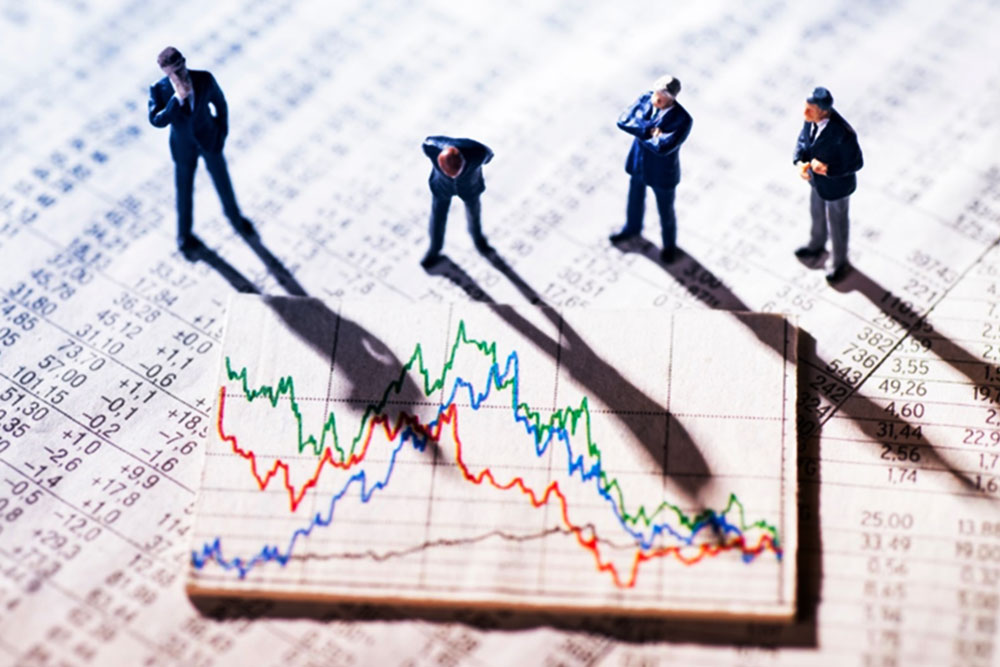
Equity markets tend to show initial resilience during energy shocks, supported by strong nominal growth and sector rotation. However, the underlying pressure builds through earnings.
- Energy and commodity-linked sectors outperform due to direct price exposure
- Industrials and manufacturing face rising input and transportation costs
- Consumer discretionary weakens as real incomes decline
- Tech remains supported by structural demand but becomes sensitive to valuation compression
The key shift occurs in corporate margins. As input costs rise faster than pricing power, profit expectations begin to adjust downward. This is typically when broader indices start to reprice. Markets may remain elevated longer than expected—but once earnings revisions turn, downside risk accelerates quickly.
Bonds: Inflation Breaks the Safety Trade
Energy-driven inflation fundamentally alters the role of bonds in a portfolio.
- Rising inflation expectations push nominal yields higher
- Real yields increase as central banks maintain restrictive policy
- Duration risk becomes more pronounced in long-dated bonds
- Credit spreads widen as growth concerns increase
The traditional “flight to safety” into government bonds becomes less reliable when inflation is the core issue. Instead of cushioning equity declines, bonds can sell off simultaneously—reducing the effectiveness of the classic 60/40 allocation model. This environment forces investors to rethink fixed income as a volatility buffer rather than a guaranteed hedge.
Commodities: Structural Bull Case Strengthens
Commodities emerge as the clearest beneficiaries—not just tactically, but structurally.
- Oil and gas prices rise due to supply disruptions and geopolitical risk premiums
- LNG markets tighten globally, increasing competition between regions
- Agricultural commodities climb as fertilizer and fuel costs rise
- Metals gain support from both inflation hedging and supply-side constraints
What differentiates this cycle is the lack of investment in supply over the past decade, particularly in energy infrastructure. This creates a longer-lasting imbalance, supporting elevated prices even if demand moderates. Commodities are no longer just cyclical trades—they are increasingly viewed as strategic allocations in inflationary environments.
Currencies: Trade Imbalances Drive Volatility
Currency markets react quickly and decisively to energy shocks, as capital flows adjust to shifting trade balances.
- Energy exporters benefit from improved terms of trade and capital inflows
- Energy importers face widening deficits and currency depreciation
- Emerging markets with high energy dependency experience amplified volatility
- Central banks intervene selectively to stabilize currencies and inflation
The divergence is often sharp. Countries that produce energy gain pricing power, while those dependent on imports face both inflation and currency weakness simultaneously. This creates a two-speed FX market, where macro fundamentals dominate short-term technicals.
Real Estate: Slow Burn, Deep Impact
Real estate does not react immediately—but the cumulative effect is significant.
- Mortgage rates remain elevated due to persistent inflation
- Affordability declines as household budgets tighten
- Commercial real estate faces higher operating and energy costs
- Development slows due to rising material and financing expenses
Energy costs also directly impact property values through utilities and building efficiency. Older, energy-inefficient properties face greater pressure, while modern, sustainable assets gain relative appeal. Over time, the sector experiences a demand slowdown rather than a sudden correction, making the impact less visible but more prolonged.
Crypto: Liquidity vs Narrative
Crypto continues to sit at the intersection of two competing forces:
- Bull case: hedge against fiat debasement and inflation
- Bear case: highly sensitive to global liquidity and interest rates
In an energy-driven inflation environment, central banks tend to keep policy tighter for longer—reducing liquidity and risk appetite. This typically weighs on crypto markets despite the inflation hedge narrative. Short-term price action remains tied to liquidity cycles, while the long-term thesis depends on broader adoption and macro instability.
The Bigger Picture: Growth vs. Inflation
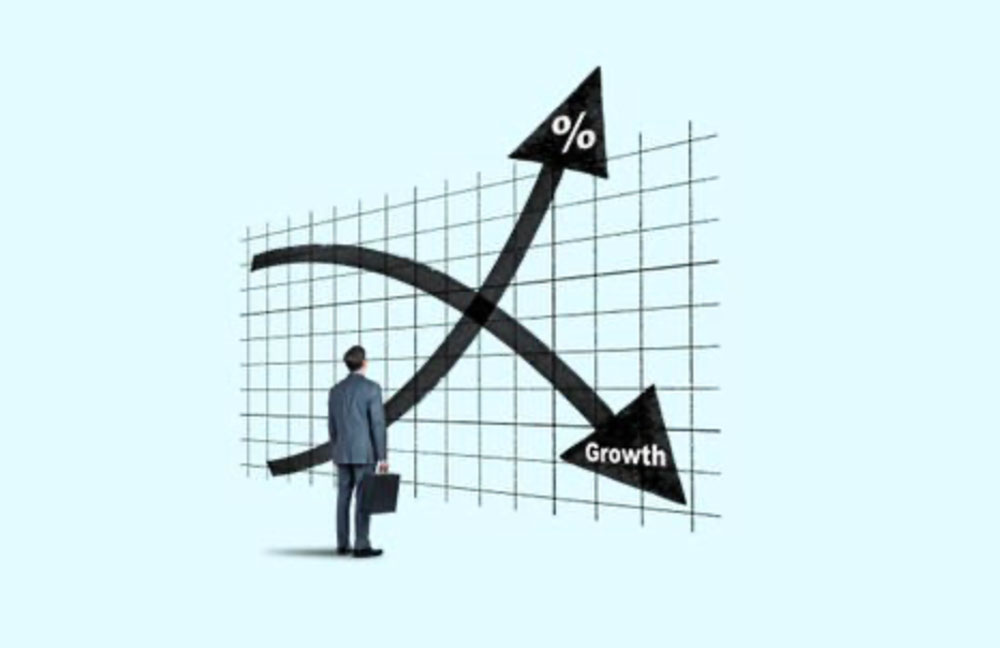
The defining risk of an energy crisis is not just inflation—it’s the collision between inflation and slowing growth.
- Higher energy costs reduce consumer spending and corporate investment
- Economic growth slows as demand weakens
- Inflation remains elevated due to persistent supply constraints
- Policy flexibility becomes limited
This creates the foundation for a stagflationary environment, where neither growth nor inflation trends move in a favorable direction. Markets struggle in this phase because traditional policy responses become less effective.
MarketMind Insight
Energy sits at the base of the global economic system, and when it destabilizes, every asset class begins to move in relation to it. This is not a market where diversification alone provides protection—it’s one where understanding macro transmission matters more than ever. The edge now lies in positioning for persistence, not resolution, because energy-driven shocks rarely unwind quickly—and markets that underestimate that tend to react too late.