
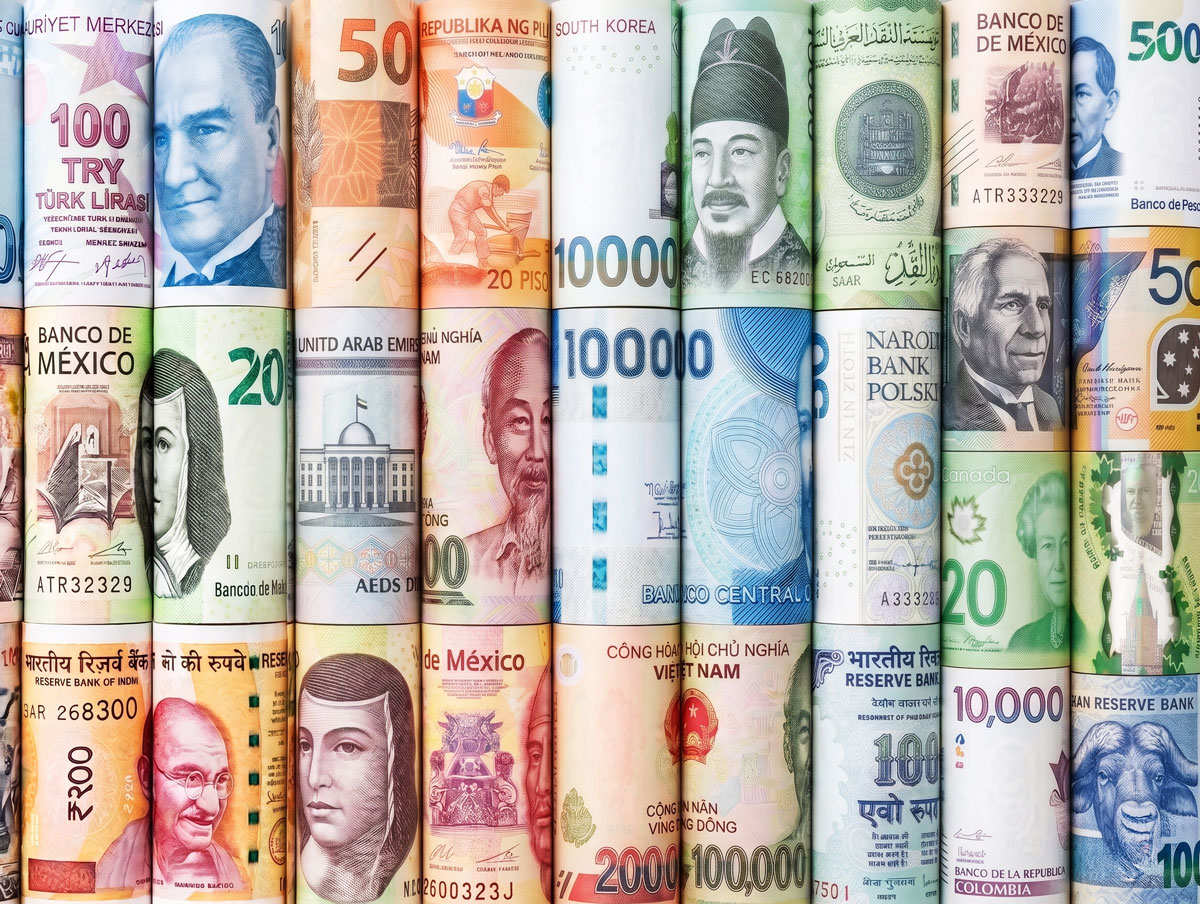
Emerging Market Currency Breakdown: Energy Crisis Fallout
Energy markets are once again dictating the tempo of global currencies, and emerging markets are feeling the pressure first. As fuel costs rise and supply constraints ripple across regions, currencies tied to energy imports are weakening, while exporters are seeing short-term support. The result is a fragmented FX landscape where fundamentals are being overshadowed by energy exposure.
Energy Shock as a Currency Catalyst
The latest surge in oil and gas prices is acting as a tax on energy-importing economies. For emerging markets, where energy often represents a significant share of trade balances, this quickly translates into:
- Widening current account deficits
- Increased demand for U.S. dollars to pay for imports
- Inflation spikes driven by higher transportation and production costs
Currencies in these economies tend to weaken as central banks struggle to balance inflation control with growth stability.
Import-Heavy Economies Under Pressure
Countries heavily reliant on imported energy are seeing the sharpest currency declines. These economies face a dual challenge: rising import bills and capital outflows as investors seek safer assets.
Key pressure points:
- India (INR): Persistent oil import dependency is weighing on the rupee despite strong domestic growth
- Turkey (TRY): Structural inflation and energy reliance continue to erode currency stability
- Philippines (PHP): Higher fuel costs are feeding into trade deficits and weakening the peso
In these markets, central banks are often forced into rate hikes, but tighter policy alone is not enough to offset external imbalances.
Exporters Holding the Line—For Now

Energy-exporting emerging markets are benefiting from higher prices, but the advantage is proving uneven and potentially temporary.
Stronger performers include:
- Brazil (BRL): Supported by oil exports and commodity strength
- Mexico (MXN): Benefiting from energy revenues and proximity to U.S. demand
- Middle East currencies: Pegged or semi-pegged regimes remain stable due to strong fiscal inflows
However, this strength is vulnerable to global demand shifts. If economic growth slows, energy prices could reverse, removing this key support.
Dollar Strength Amplifies the Impact
The U.S. dollar remains a dominant force in this cycle. As energy prices rise, dollar demand increases—since most global energy transactions are priced in USD. This creates a reinforcing loop:
- Higher energy prices → more USD demand
- Stronger USD → weaker emerging market currencies
- Weaker currencies → higher local energy costs
This cycle disproportionately impacts emerging markets with limited foreign reserves or high external debt.
Central Banks: Tightening Into Weakness

Emerging market central banks are facing one of the most difficult policy environments in years. Their options are limited:
- Raise rates: Supports the currency but slows economic growth
- Intervene in FX markets: Burns through reserves quickly
- Subsidize energy: Protects consumers but strains fiscal budgets
Many are choosing a combination of all three, but none provide a long-term solution if energy pressures persist.
What Traders Are Watching Now
Currency markets are increasingly trading on energy sensitivity rather than traditional macro indicators. Key signals include:
- Oil price trends and supply disruptions
- U.S. dollar momentum and Fed policy direction
- Trade balance shifts in major emerging economies
- Foreign reserve levels and intervention capacity
Short-term volatility remains elevated, with sharp moves tied to energy headlines rather than domestic fundamentals.
MarketMind Insight
Emerging market currencies are no longer moving in sync—they are splitting along energy lines. Importers face sustained pressure, exporters enjoy temporary relief, and the dollar sits at the center of it all. Until energy markets stabilize, FX in emerging economies will remain reactive, fragile, and highly sensitive to global shocks rather than local strength.