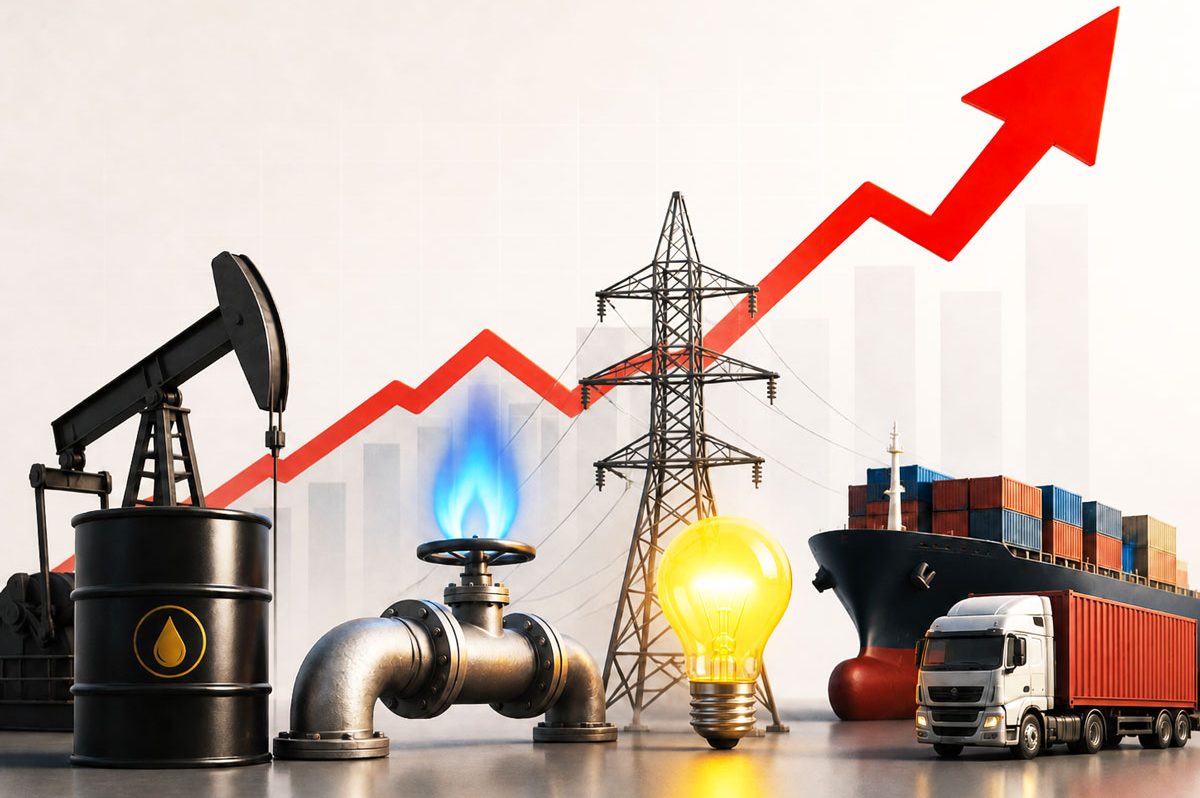
Energy shocks rarely remain contained. When oil, gas, electricity, and freight costs rise, the pressure quickly moves across markets — squeezing corporate margins, lifting inflation expectations, reshaping central-bank policy, and forcing investors to rethink currency exposure.
The latest energy stress is becoming a cross-asset story. Equities are dividing between beneficiaries and margin losers. Bonds are wrestling with inflation that may stay higher for longer. FX markets are exposing which economies can absorb a bigger import bill — and which ones cannot.
Equities: The Margin Test
For stock markets, higher energy prices create a sharp divide. Producers, refiners, pipeline operators, and commodity-linked firms can benefit from stronger cash flows. But airlines, manufacturers, retailers, food producers, and transport-heavy businesses face a tougher equation.
The key issue is pricing power. Companies that can pass costs to customers may protect earnings. Those that cannot are left absorbing higher fuel, utility, shipping, and production costs.
Consumer sectors are also exposed. Higher household energy bills reduce spending power, which can weigh on discretionary categories such as travel, dining, autos, and apparel. In this environment, investors tend to reward resilient margins and punish fragile guidance.
Bonds: Inflation Refuses to Behave

Energy shocks complicate the bond market because they can be both inflationary and growth-negative. Normally, slower growth supports bonds. But when the slowdown comes with higher fuel and utility costs, investors worry that inflation may remain sticky.
That puts pressure on government bonds. Yields can stay elevated if markets believe central banks must remain cautious. At the same time, governments may face higher fiscal pressure if they respond with subsidies, tax relief, or household support.
Corporate bonds face a more selective backdrop. Strong investment-grade borrowers may manage the shock. Highly leveraged companies in cyclical sectors are more vulnerable as refinancing costs rise and earnings visibility weakens.
FX: The Energy Bill Becomes the Currency Story
Currencies react quickly when energy prices rise. Energy-importing countries often face weaker trade balances, higher inflation, and greater pressure on consumers. That can weigh on their currencies, especially when growth is already soft.
Energy exporters can benefit from stronger revenues, particularly if public finances are stable and policy remains credible. Commodity-linked currencies may receive support, but only if broader risk sentiment does not deteriorate.
The U.S. dollar remains a special case. It can gain during market stress as a safe-haven currency, while also being influenced by Federal Reserve expectations. The euro and yen are more exposed to import-cost pressure because Europe and Japan rely heavily on imported energy.
Emerging-market currencies are especially sensitive. Countries with high external debt, limited reserves, or large fuel import needs may face pressure from both inflation and capital outflows.
Central Banks: The Policy Trap

The energy crisis creates an uncomfortable trade-off. Higher energy prices push inflation up, but they also slow demand by draining household and business budgets. Central banks must decide whether to prioritize inflation control or growth protection.
If they stay restrictive, equities and credit may feel more pressure. If they ease too soon, inflation expectations could become harder to contain. That is the policy trap at the center of this market.
What Investors Should Watch
The next phase depends on whether the energy shock fades or spreads more deeply into the economy.
Key signals include:
- Oil and natural gas price direction
- Inflation expectations and wage pressure
- Central-bank language on rates
- Corporate earnings guidance
- Credit spreads and refinancing stress
- Currency weakness in major energy-importing economies
The market is not only watching energy prices. It is watching how long companies, consumers, governments, and central banks can absorb them.
MarketMind Insight
Energy has become the market’s pressure gauge. Equities are sorting winners from margin casualties, bonds are pricing the risk of stubborn inflation, and FX markets are exposing the cost of dependence on imported fuel. For investors, the crisis is no longer just about oil or gas. It is about who can handle the bill — and who gets repriced first.