
Rising global energy costs are forcing central banks into a tightening cycle that is increasingly colliding with slowing growth. While the broader concern is recession risk, the foreign exchange market is already acting as the pressure valve, rapidly repricing currencies based on policy divergence, energy exposure, and capital flows.
For FX traders, this environment is less about inflation headlines and more about which economies can withstand higher rates — and which cannot.
Energy Shock Is Reshaping Currency Strength
Energy inflation is not hitting all economies equally, and FX markets are reacting accordingly.
- Energy importers (Eurozone, Japan) face worsening trade balances and weaker currencies
- Energy exporters (Canada, Norway, parts of the Middle East) benefit from improved terms of trade
- Emerging markets with high import dependence are seeing capital outflows and currency pressure
This divergence is creating structural trends rather than short-term moves, with energy acting as a core FX driver again.
Rate Hikes Are Fueling Currency Volatility
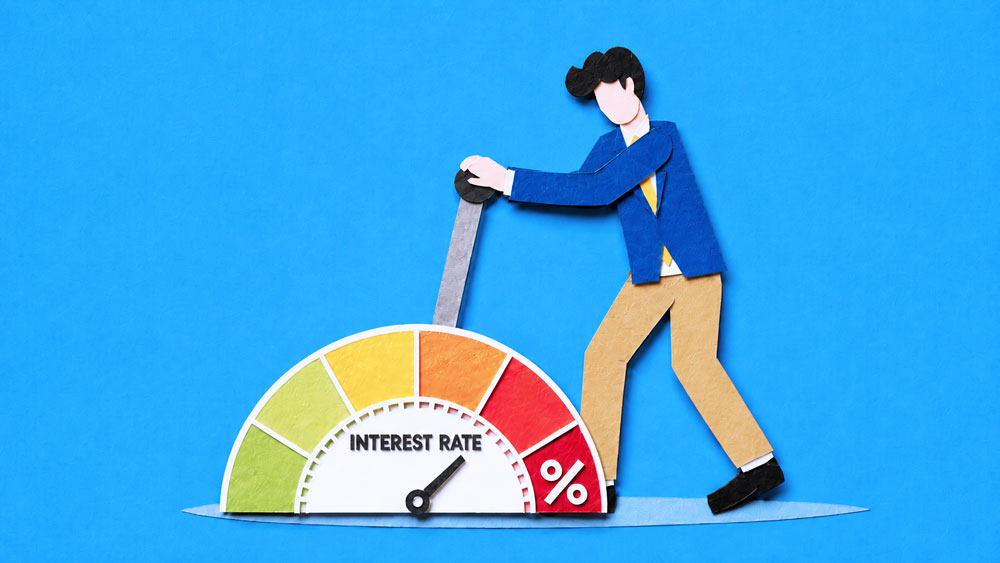
Central banks are raising rates to contain inflation, but in FX, what matters is relative policy direction, not absolute levels.
Current dynamics:
- The U.S. dollar remains supported by higher-for-longer policy expectations
- The euro struggles under weak growth and energy dependency
- The yen remains volatile as policy normalization unfolds slowly
- Commodity currencies like the Canadian dollar are benefiting from energy-linked demand
The result is a widening gap between currencies tied to stronger policy credibility and energy resilience versus those exposed to imported inflation.
The Policy Divergence Trade Is Back
FX markets thrive on divergence, and this cycle is delivering it in full.
- Some central banks are still tightening aggressively to fight inflation
- Others are approaching limits as growth weakens
- A few may be forced into early cuts, risking currency depreciation
This creates a clear trading theme. Long currencies backed by strong rate policy and energy stability, short those facing growth stress and external imbalances.
Recession Risk Is Already in FX Pricing
Unlike equities, FX markets tend to move early. Current price action suggests growing concern that central banks may overtighten.
Signals showing up in currencies:
- Increased volatility in G10 pairs, especially EUR/USD and USD/JPY
- Emerging market currency weakness, reflecting capital flight risk
- Stronger demand for safe-haven currencies like the U.S. dollar and Swiss franc
- Short-lived rallies in risk currencies, quickly sold into
FX is effectively pricing a scenario where growth slows faster than inflation falls.
Energy Costs Are Driving Trade Balances — and FX Direction
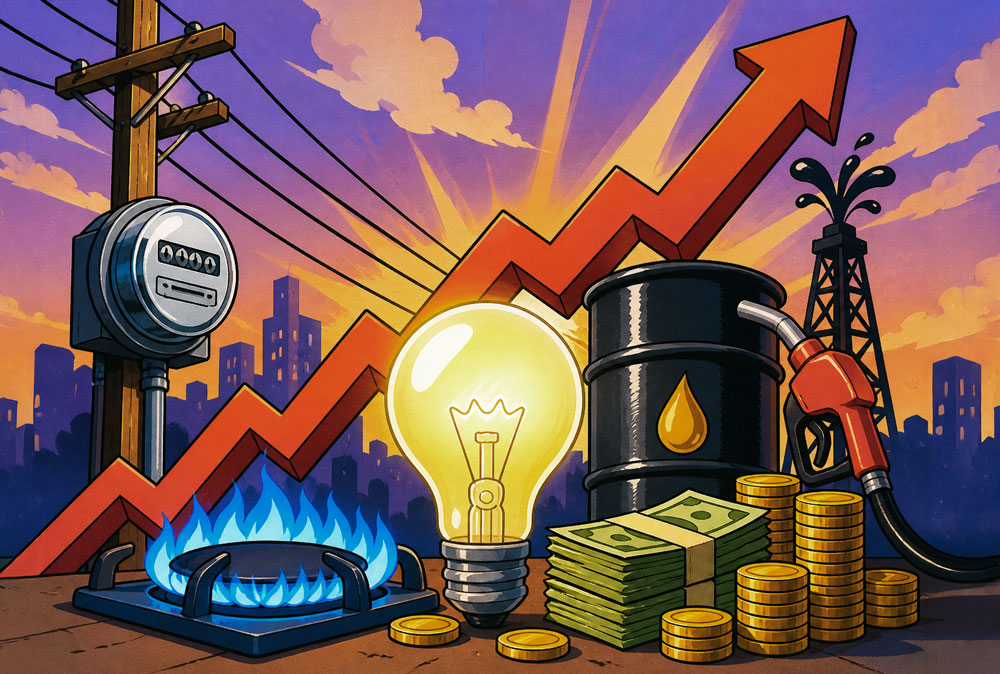
One of the most direct transmission channels is the trade balance.
- Higher oil and gas prices widen deficits for import-heavy economies
- Exporters see increased foreign currency inflows
- This shifts demand for currencies in real time, reinforcing trends
This is why currencies like the Canadian dollar often strengthen during energy spikes, while the euro and yen face persistent pressure.
What Could Shift the FX Outlook
For currency markets, a few key changes would alter the current trajectory:
- A sustained decline in energy prices
- Clear signals of central banks pausing rate hikes
- Stabilization in global growth expectations
- Reduced geopolitical pressure on energy supply
Until then, FX markets are likely to remain driven by policy divergence and energy dynamics, rather than traditional macro cycles.
MarketMind Insight
Central banks are tightening into a supply-driven inflation shock — and FX markets are reacting faster than any other asset class. The risk is not just recession, but asymmetric currency moves driven by uneven economic resilience.
In a cycle defined by energy shocks, currencies don’t move on growth alone. They move on survival. The Forex market is already separating economies that can absorb higher rates from those that cannot — and that divergence is where the biggest opportunities, and risks, now sit.