
Silver is no longer just following gold’s lead. As of May 25, 2026, the metal has pushed back into the spotlight with a sharp rally, rising alongside gold, platinum, and palladium as the precious metals complex responds to a weaker U.S. dollar, softer oil prices, and shifting expectations around inflation and interest rates. Spot silver was trading around the high-$70s per ounce on Monday, with major market data showing silver up more than 3% on the session.
The move matters because silver has spent years fighting for recognition as more than gold’s volatile cousin. Gold often captures the headline during periods of uncertainty, but silver is now benefiting from two forces at once: monetary demand and industrial demand. That combination gives silver a different kind of breakout profile — part safe-haven trade, part electrification trade, and part liquidity squeeze. In market terms, it is wearing more than one hat. Convenient, if slightly dramatic.
A Breakout Built on Macro Pressure
The latest move in silver came as the dollar weakened and oil prices fell sharply on hopes of easing tensions around the Strait of Hormuz. Lower oil prices can cool inflation fears, reduce pressure on central banks to stay aggressively tight, and improve the appeal of non-yielding assets such as gold and silver.
That creates a cleaner runway for precious metals. If inflation pressure eases without completely removing uncertainty, investors can still look to metals as a hedge while also pricing in a more supportive rate backdrop. Silver tends to amplify those moves. When gold rises on macro fear or dollar weakness, silver often reacts later — but faster.
Why Silver Is Catching Up
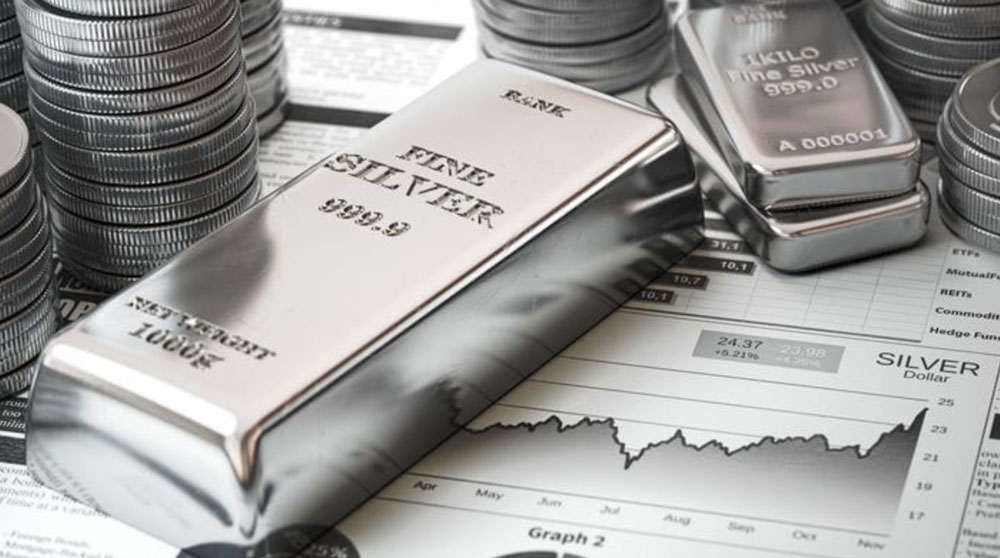
Silver’s latest strength is also about valuation. The gold-to-silver ratio has been a key part of the story, especially after gold’s earlier dominance in the precious metals rally. When gold runs far ahead of silver, traders often begin looking for a catch-up move. That is now happening.
Silver’s appeal comes from its dual role. It is both a precious metal and an industrial input, used across electronics, solar technology, power infrastructure, automotive systems, and other high-conductivity applications. That industrial side gives silver a growth narrative that gold does not have. Gold is the fortress. Silver is the wire running through the fortress.
The market is also dealing with another projected supply deficit in 2026, following a deficit in 2025. That matters because silver’s above-ground availability is more sensitive to investment flows than many investors assume. When physical buying rises at the same time industrial demand remains structurally important, the market can tighten quickly.
Demand Is Shifting, Not Disappearing
One important detail: silver’s rally is not simply a clean industrial-demand story. High prices are forcing some price-sensitive buyers, especially in solar and jewelry, to reduce usage where possible. Industrial demand is expected to soften in some areas as manufacturers thrift, redesign, or substitute silver where they can.
But that weakness is being offset by investment flows. Physical coins, bars, and exchange-traded products have become a bigger force in the silver market. That makes the market more financialized and more volatile. Silver is not just being consumed; it is being accumulated.
When investors pull metal into storage, vaults, and funds, available liquidity can tighten quickly. In a market already running a deficit, that can turn ordinary rallies into sharp breakouts.
The Volatility Risk
Silver’s strength comes with a warning label. This is not a slow-moving defensive asset. Silver can move aggressively in both directions, especially when momentum traders, retail investors, and physical-market tightness collide.
The breakout is real, but so is the risk of whiplash. Silver often attracts late momentum once the chart starts moving, and those same flows can reverse quickly if the dollar firms, yields rise, or geopolitical risk fades more decisively.
What This Means for Markets
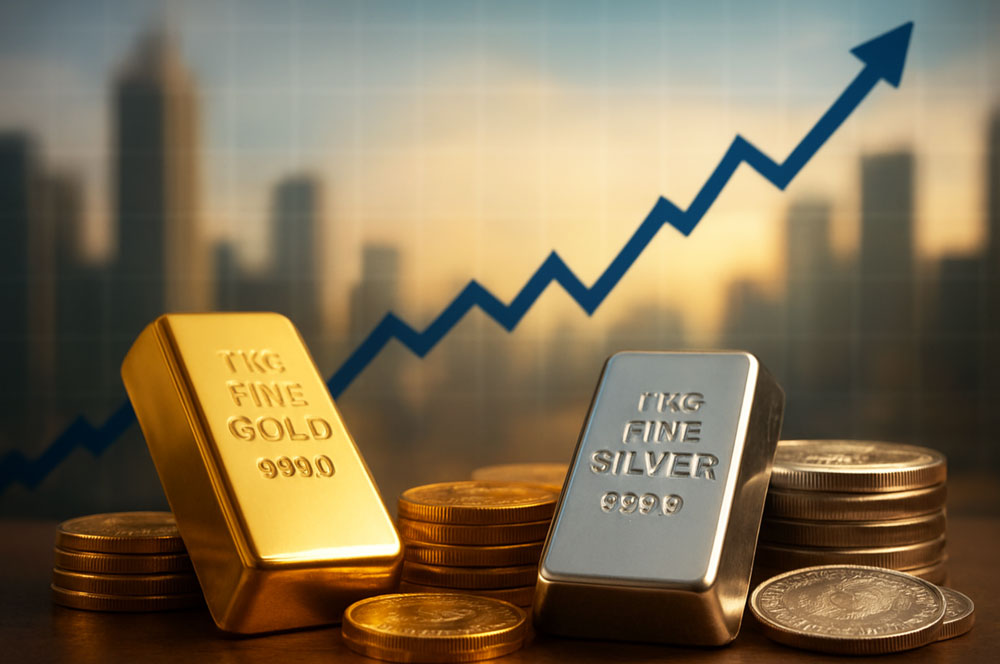
For investors, silver’s breakout is a signal that the precious metals rally has broadened. Gold remains the anchor, but silver is becoming the higher-beta expression of the same trade. Platinum and palladium have also moved higher, showing that the metals complex is responding to the current macro setup rather than one isolated pocket of demand.
The broader message is clear: markets are still searching for protection against currency weakness, policy uncertainty, and fragile supply chains. Silver sits at the intersection of all three. It benefits when investors want hard assets, but it also carries exposure to the industrial economy.
That makes silver more complicated than gold — and potentially more explosive.
MarketMind Insight – Silver’s Breakout Has a Different Engine
Silver’s rally is not just a precious metals echo. It is a liquidity story, a supply-deficit story, and a macro hedge rolled into one. The metal’s next phase will depend on whether investment demand keeps absorbing supply faster than industrial users can step back. If gold is the market’s safety trade, silver is becoming its conviction trade — faster, riskier, and far less polite when momentum shows up.