Oil markets are moving into a different phase. After weeks of pricing in geopolitical danger around Iran, the Strait of Hormuz, and Gulf export routes, traders are now stripping that fear premium back out of crude. Brent has slipped toward the low-$70 range, WTI is back below $70, and the conversation has shifted from “what if supply is disrupted?” to “what happens if supply returns faster than demand can absorb it?”
That does not mean energy risk has disappeared. It means the market is no longer willing to pay peak-crisis prices without a fresh shock. The panic bid has faded. Now fundamentals are back in charge, and fundamentals look far less bullish than they did at the height of the Iran-driven surge.
The Iran Premium Comes Out of the Market
The biggest reset is geopolitical. Progress in U.S.–Iran talks, improving tanker movement through the Strait of Hormuz, and the gradual normalization of Gulf export routes have pushed traders to reassess the likelihood of a prolonged supply disruption.
For weeks, oil prices carried a heavy risk premium because even a partial interruption through Hormuz would have threatened one of the world’s most important energy corridors. That fear kept crude supported even as demand indicators softened. Now that more barrels are moving and diplomatic channels remain active, the market is no longer pricing the same level of emergency.
This is why the decline in crude has been sharp. Oil did not simply drift lower because demand weakened. It repriced because the worst-case supply scenario started to look less immediate.
Supply Is Moving Back Into Focus
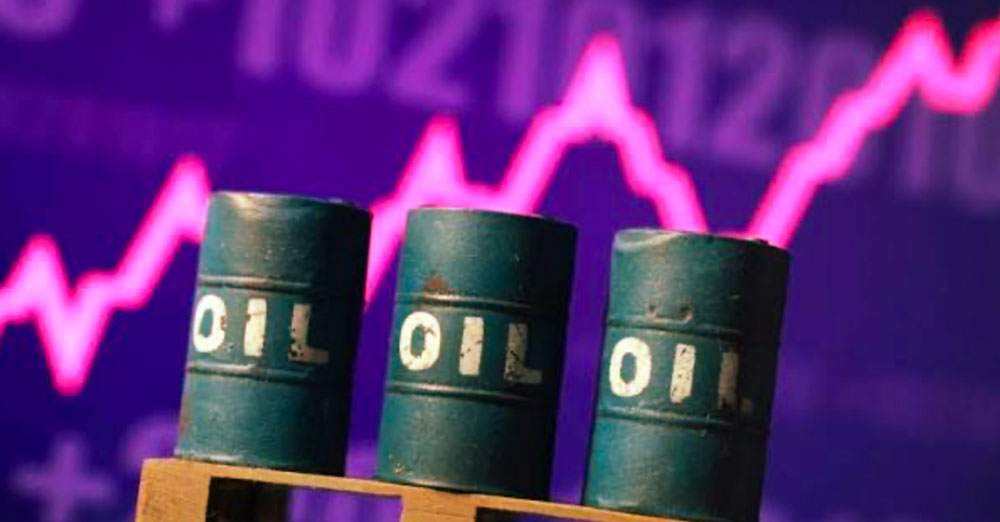
Saudi Arabia’s return to heavier export activity through Ras Tanura is one of the clearest signs of the reset. With cargoes moving again and spot sales becoming more active, Asian buyers are seeing more available crude just as refiners are becoming more selective.
That matters because the market was previously trading on scarcity psychology. When ships were delayed and routes looked uncertain, every barrel carried a premium. Now, the risk is that producers try to monetize supply quickly while prices are still elevated enough to support revenue.
OPEC+ adds another layer. The group is expected to continue with modest output increases, including another potential August hike, as it unwinds earlier supply cuts. In a tight market, that would be absorbed easily. In a cooling market with weaker demand signals, it becomes a ceiling on prices.
The market has gone from “can OPEC+ replace disrupted barrels?” to “will OPEC+ add too much too quickly?” Quite the plot twist. Oil traders love drama, but they hate excess inventory more.
Demand Is Not Strong Enough to Do All the Work
The bearish side of the reset is demand. China remains a key concern, with weaker refining signals and softer crude buying undercutting the idea of a powerful second-half rebound. In the U.S., refinery activity has been strong, but that has not been enough to fully offset the broader concern that global consumption is not accelerating fast enough to justify crisis-level crude pricing.
This is the market’s new tension: inventories in some areas remain tight, but forward expectations are becoming less supportive. Traders are watching whether supply normalization leads to inventory rebuilding later in the year. If it does, oil may struggle to regain the levels reached during the Iran-risk spike.
The important point is that demand does not need to collapse for prices to weaken. It only needs to disappoint relative to the supply returning to market.
Saudi Arabia and the UAE Face a New Pricing Reality
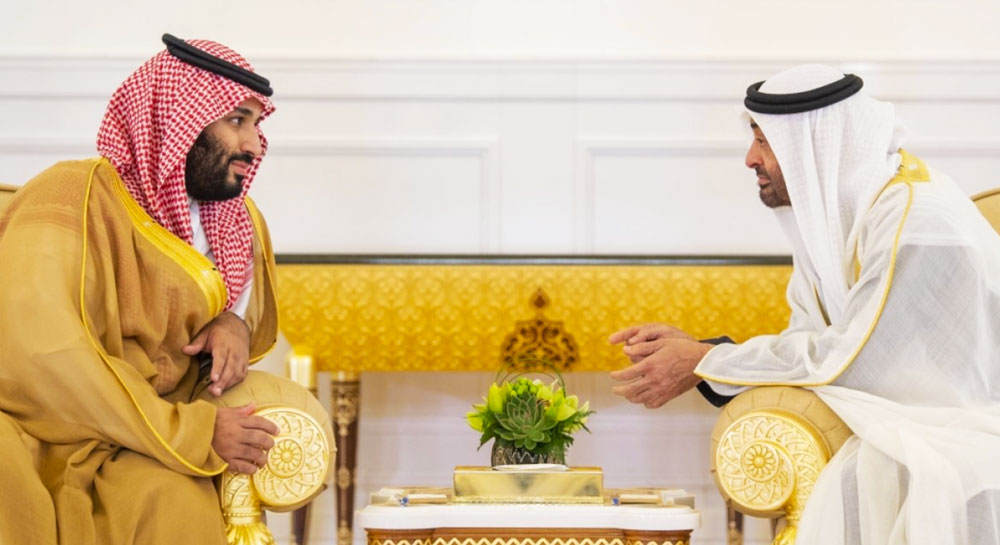
For Saudi Arabia, the fade in the Iran premium creates both an opportunity and a challenge. Higher export volumes can protect market share, especially in Asia, but softer prices reduce the revenue benefit. If more Gulf barrels compete for the same buyers, official selling prices may need to adjust lower to stay competitive.
The UAE remains especially relevant because its long-term strategy is built around capacity expansion, trading flexibility, and capturing market share while oil demand is still structurally significant. A lower-risk oil market rewards efficiency, logistics, and pricing discipline more than simple reserve ownership.
For both Saudi Arabia and the UAE, the message is clear: energy power is no longer just about barrels underground. It is about the ability to move, price, hedge, and sell those barrels into a market that can change direction quickly.
North America Watches Inflation and Inventories
For North America, lower oil prices are a relief valve. Softer crude can reduce inflation pressure, help stabilize fuel costs, and give central banks more breathing room. That matters for consumers, airlines, transport companies, and energy-sensitive sectors across the economy.
But the picture is not fully one-sided. U.S. crude inventories have been drawn down, refinery demand remains high, and the Strategic Petroleum Reserve is still a sensitive policy issue. If prices fall because supply is returning but inventories remain lean, the market could stay volatile rather than simply bearish.
Canadian energy producers also face a more complicated setup. A lower global benchmark can pressure revenues, but stable export flows and narrower geopolitical risk may support longer-term planning. For Western Canadian producers, the key question is whether lower global prices are offset by improved market access and steady North American demand.
Europe Gets Relief, But Not Certainty
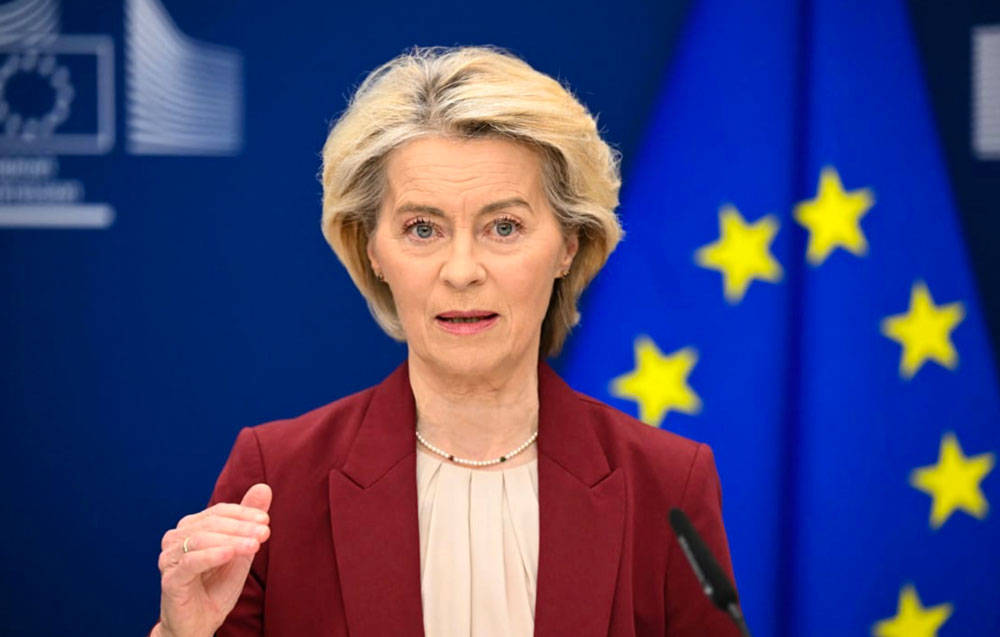
Europe benefits from a lower geopolitical premium because energy costs remain central to inflation, industrial competitiveness, and household spending. Softer crude helps reduce pressure across transport, manufacturing, and imported energy costs.
Still, Europe remains exposed to external supply shocks. The region may not be as directly dependent on Gulf crude as Asia, but global benchmark pricing affects everyone. If talks fail, shipping risk returns, or Middle East flows become unstable again, European energy prices would feel it quickly.
The reset gives Europe breathing room, not immunity.
What Traders Are Watching Next
The next phase of the oil trade depends on three things: whether Hormuz flows continue improving, whether OPEC+ follows through with more supply, and whether demand in China and the broader global economy stabilizes.
If all three lean bearish, Brent could remain under pressure and settle into a lower range. If diplomacy stalls or tanker risk returns, the Iran premium could reappear fast. That is the tricky part of this market: the risk premium faded, but the risk itself has not vanished.
For now, traders are no longer paying top dollar for fear. They are asking for proof.
MarketMind Insight
Energy markets are resetting from crisis pricing back to fundamentals. The fading Iran risk premium has pulled crude lower, but the next move will depend on whether returning supply meets soft demand or overwhelms it. For Saudi Arabia, the UAE, North America, and Europe, lower oil offers relief — but in this market, calm is only calm until the next headline