
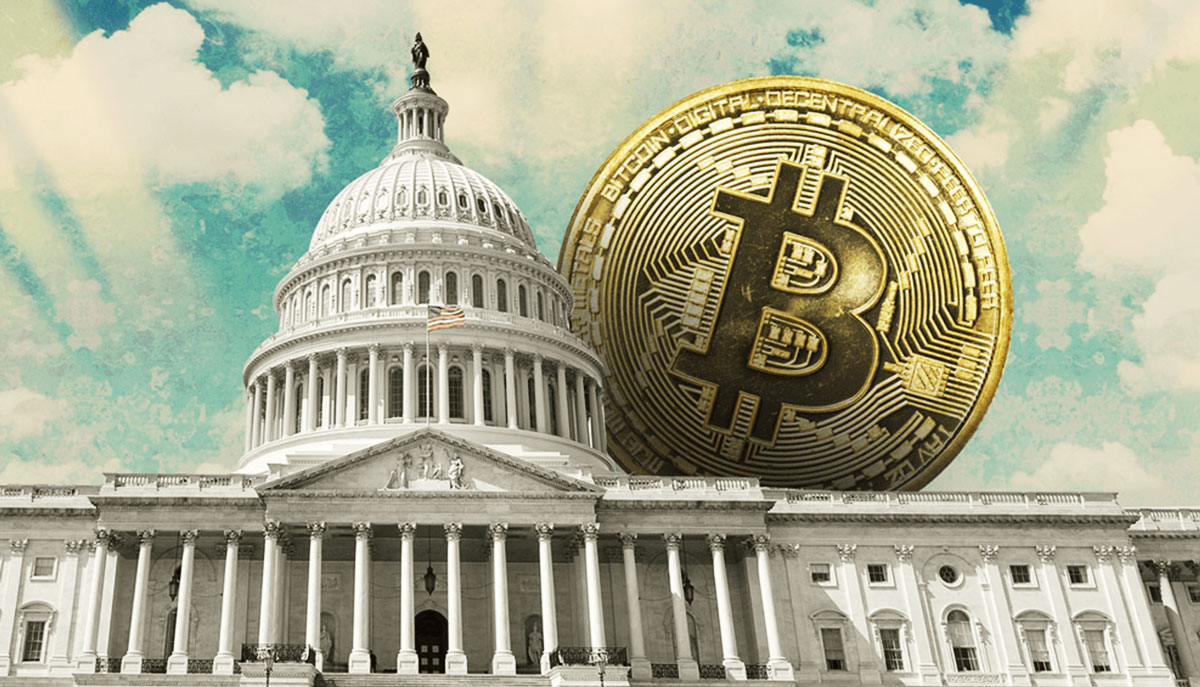
The United States still does not have a complete federal rulebook for crypto markets, but that no longer means regulation is standing still. The Digital Asset Market Clarity Act reached the August congressional recess without a full Senate vote, leaving the division of authority between the Securities and Exchange Commission and Commodity Futures Trading Commission unfinished in statute.
Yet federal agencies are already using their existing powers to define crypto assets, open new trading channels, design stablecoin rules and bring tokenization deeper into the regulated financial system. Congress remains important, but it is no longer the only source of market-moving policy.
That creates a different kind of regulatory environment. Instead of waiting for one comprehensive bill, investors now need to follow several rulemaking tracks at once.
Congress Has Paused, Not Disappeared
The headline requires one qualification: Congress has already acted on stablecoins. The GENIUS Act became law in July 2025, creating the foundation for federal payment-stablecoin regulation. What remains unresolved is the broader market structure covering token issuance, spot trading, intermediaries, custody and the respective powers of the SEC and CFTC.
The House passed the CLARITY Act in July 2025 by a bipartisan vote of 294–134. The Senate Banking Committee advanced its version 15–9 in May 2026, and lawmakers released merged Banking and Agriculture Committee text in July. Senate leaders then set up a procedural vote for after the August recess, but the chamber left Washington without completing it.
The bill is therefore alive, but its timing remains uncertain. Negotiations continue around stablecoin rewards, government ethics, decentralized finance, illicit-finance controls and the extent of federal pre-emption over state rules.
Markets should treat congressional passage as a potential second stage of regulatory reform, not as the starting gun.
Token Classification Is Already Changing

The most consequential agency action came in March, when the SEC and CFTC issued a coordinated interpretation explaining how federal securities law applies to several categories of crypto assets.
The framework distinguishes among digital commodities, digital collectibles, digital tools, stablecoins and digital securities. It also separates the legal character of a token from the transaction through which it was sold. A crypto asset that is not itself a security can still be offered as part of an investment contract, but that investment contract may later end without permanently transforming the underlying token into a security.
The interpretation identified Bitcoin, Ether, Solana, XRP, Cardano, Dogecoin and several other established assets as examples of digital commodities based on their current characteristics. It also addressed protocol staking, mining, airdrops and wrapped assets.
This is meaningful regulatory guidance, but it is not blanket approval. The structure of a sale, the promises made by promoters and the continuing role of a development team can still affect the analysis.
Markets should watch how exchanges respond. Wider U.S. listings, deeper regulated liquidity and greater institutional support for assets covered by the interpretation would show that legal clarification is translating into commercial activity.
The SEC Is Building a New Capital-Raising Path
The SEC is also working on Regulation Crypto Assets, a proposed framework intended to create a tailored offering regime for certain investment contracts involving crypto assets.
The agency had scheduled an August 14 meeting to consider issuing the proposal, but canceled it because of a scheduling issue. No replacement date had been announced as of the cancellation. That delay does not establish a change in policy, but it does postpone the market’s first look at the actual rule text.
The most important details will be the scope of any startup exemption or token safe harbor. Investors should watch for eligibility standards, disclosure requirements, fundraising limits, time restrictions, resale rules and the conditions under which a project would have to register or leave the exemption.
A workable framework could lower the legal cost of launching compliant token networks in the United States. A narrow or highly conditional framework would provide less relief, particularly for smaller projects without the resources of established issuers.
The proposal could also affect venture funding. If token distributions receive a more predictable legal pathway, capital could move from private financing toward transparent public token launches. That would change how early-stage projects are funded, valued and brought to market.
The CFTC Is Expanding Regulated Crypto Trading
The CFTC is moving ahead through derivatives, collateral policy and registered-market infrastructure.
In May, the agency permitted a CFTC-registered exchange to list a true Bitcoin perpetual futures contract. Perpetual contracts do not expire and use periodic funding payments to remain aligned with spot prices. They have long been central to offshore crypto trading, but their introduction on a U.S.-regulated venue creates a domestic pathway for a product that previously existed mainly outside the federal framework.
The CFTC has also issued guidance allowing certain non-security crypto assets to be recognized as customer margin after appropriate haircuts. Its framework gives payment stablecoins more favourable capital treatment than volatile crypto assets while imposing custody, reporting and risk-management conditions.
The next questions are practical. Markets should watch which assets receive regulated perpetual products, how much liquidity moves onshore, what leverage limits apply and whether regulated exchanges can compete with offshore platforms on spreads, trading hours and product depth.
The CFTC’s August 20 Innovation Advisory Committee meeting will also examine the remaining gaps created by state licensing, overlapping federal jurisdiction and the absence of comprehensive market structure legislation.
Stablecoin Rules Are Becoming the Real Test

Stablecoin regulation is moving from legislation into implementation. The OCC, FDIC, Treasury, FinCEN and other federal authorities have proposed rules covering reserves, redemptions, custody, capital, risk management, audits, anti-money-laundering programs and sanctions compliance.
The GENIUS Act allows issuers with no more than $10 billion in outstanding stablecoins to operate under an eligible state regime if Treasury determines that the regime is substantially similar to the federal framework. That makes the federal-state boundary one of the most important unresolved issues.
Markets should watch which state regimes qualify, how reserve assets are valued, how quickly holders must be redeemed and whether final rules create meaningful cost differences between bank, nonbank and foreign issuers.
Stablecoin rewards are another pressure point. The GENIUS Act prevents issuers from paying interest or yield directly, but debate continues over rewards offered through exchanges, affiliates and other third parties. Any broader restriction could affect customer acquisition, exchange economics and competition with bank deposits.
Reserve rules also matter beyond crypto. Stablecoin issuers are important holders of cash and short-term government securities. Changes in reserve composition, liquidity requirements or issuer concentration could therefore influence Treasury-bill demand as well as stablecoin profitability.
Banking and Tokenization Are Moving Closer Together
Federal banking regulators are also making it easier to integrate blockchain-based assets into conventional financial infrastructure.
In March, the Federal Reserve, OCC and FDIC clarified that an eligible tokenized security should generally receive the same regulatory capital treatment as its traditional equivalent when it provides identical legal rights. The treatment does not automatically change because the asset is issued on a permissioned or permissionless blockchain.
The OCC has also conditionally approved national trust bank charters for several digital-asset companies, including Ripple, BitGo, Fidelity Digital Assets and Paxos. These approvals remain subject to regulatory conditions, but they demonstrate that crypto custody and settlement are increasingly being brought inside federally supervised institutions.
For markets, the next signal will be implementation rather than announcements. Investors should watch for operational charter approvals, institutional custody growth, tokenized collateral volumes and the movement of conventional securities onto blockchain-based settlement systems.
Tokenization may ultimately matter more to financial institutions than the launch of another speculative asset. It can affect settlement times, collateral mobility and the cost of moving securities between market participants.
Agency Action Has Limits
Regulators can clarify existing statutes, issue exemptions and modernize rules, but they cannot fully reproduce what comprehensive legislation would accomplish.
The CFTC still lacks the broad spot-market authority contemplated by the CLARITY Act. Agency interpretations can also be revised, challenged in court or changed by a future administration. Rules created under existing securities and commodities laws may provide immediate guidance without delivering the long-term durability that a statute would offer.
This distinction matters for valuation. Companies should not receive the same regulatory premium from temporary staff guidance as they would from a settled federal framework. Markets will need to distinguish between speeches, staff positions, proposed rules, final rules and enacted legislation. Washington has many gears, and not every press release means the car has moved.
What Markets Should Watch Next

The most important near-term signals are now identifiable:
- A new date and published text for the SEC’s Regulation Crypto Assets proposal.
- The Senate’s procedural vote and any further revisions to the CLARITY Act.
- Final GENIUS Act regulations governing reserves, redemptions, custody and state-level regimes.
- The treatment of stablecoin rewards offered through exchanges and affiliates.
- Additional CFTC-approved perpetual products and the movement of trading volume onto regulated U.S. venues.
- New exchange listings following the SEC-CFTC token classification framework.
- Full approval and operation of digital-asset national trust banks.
- Growth in tokenized securities, collateral and blockchain-based settlement inside regulated institutions.
MarketMind Insight
The regulatory story is no longer simply that Congress has failed to act. Congress has acted on stablecoins and advanced broader market-structure legislation, but agencies are filling the remaining space faster than lawmakers are completing the statute.
That should benefit established assets, regulated exchanges, compliant stablecoin issuers, qualified custodians and tokenization platforms capable of operating inside multiple regulatory regimes. Smaller projects may also gain a clearer path, but only if the SEC’s eventual capital-raising framework is practical enough to use.
The market’s next phase will not be driven by one dramatic bill-signing ceremony. It will be shaped by a series of definitions, exemptions, final rules, licensing decisions and regulated product approvals. Crypto regulation is arriving piece by piece—and investors now need to price the pieces before Congress finishes the puzzle.