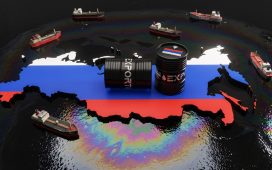
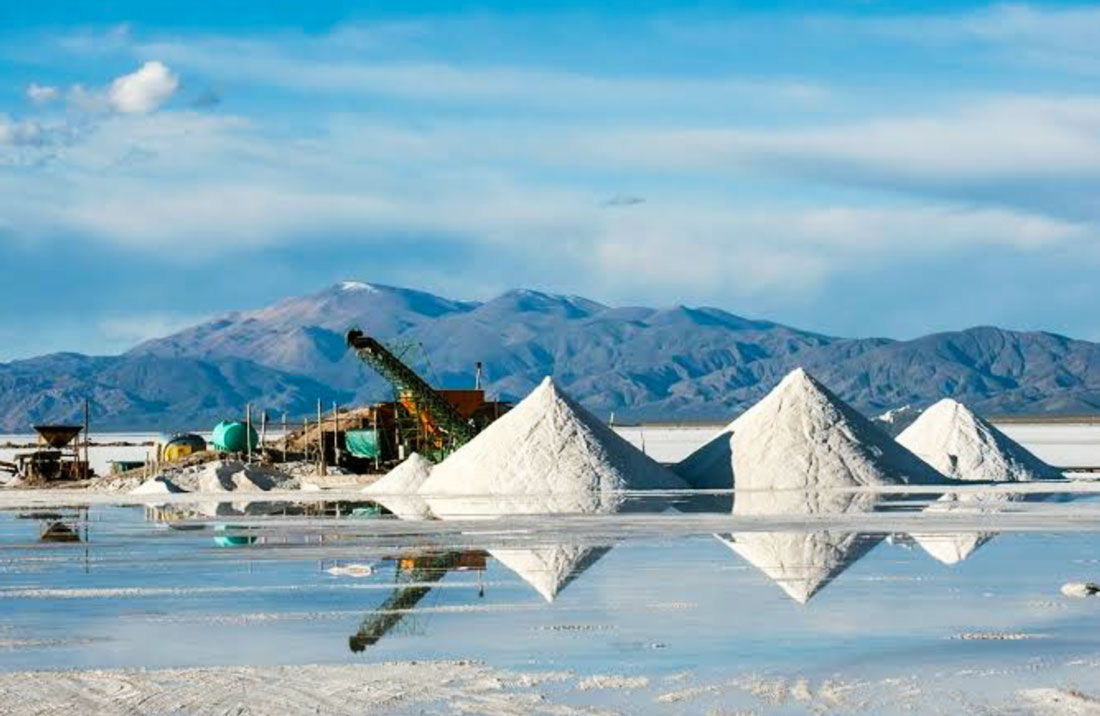
For more than a century, energy security was largely measured in barrels of oil, cubic metres of natural gas and tonnes of coal. The next major constraint may look very different. As economies electrify transportation, expand power grids, build renewable capacity and construct energy-hungry data centres, access to copper, lithium, graphite, rare earth elements and other critical minerals is becoming just as important as access to fuel.
The world is not running out of these materials in a geological sense. The more immediate risk is that mining, refining and manufacturing capacity may fail to expand quickly enough—or remain too concentrated—to meet rising demand reliably. Tomorrow’s energy shortage could therefore begin underground, but it may become visible through delayed power projects, expensive equipment and disrupted manufacturing.
Energy Security Is Becoming Materials Security
Traditional fuels are consumed continuously. Minerals are different: they are used to build the equipment that produces, stores and moves energy. Copper carries electricity through cables and transformers. Lithium, nickel, cobalt and graphite support battery production. Rare earth elements are used in high-performance permanent magnets found in electric motors and wind turbines.
This distinction provides minerals with one long-term advantage. Once installed, many metals can remain in service for decades and eventually be recovered through recycling. Oil and gas cannot be recycled after combustion. However, that advantage does little to solve the near-term challenge of building the first generation of mineral-intensive infrastructure.
The energy transition is arriving alongside several other sources of demand. Grid modernization, electric vehicles, battery storage, semiconductor manufacturing, robotics, aerospace, defence and artificial intelligence infrastructure are increasingly competing for overlapping groups of materials. What appears to be a clean-energy supply issue is rapidly becoming a broader industrial one.
Copper May Be the First Major Test
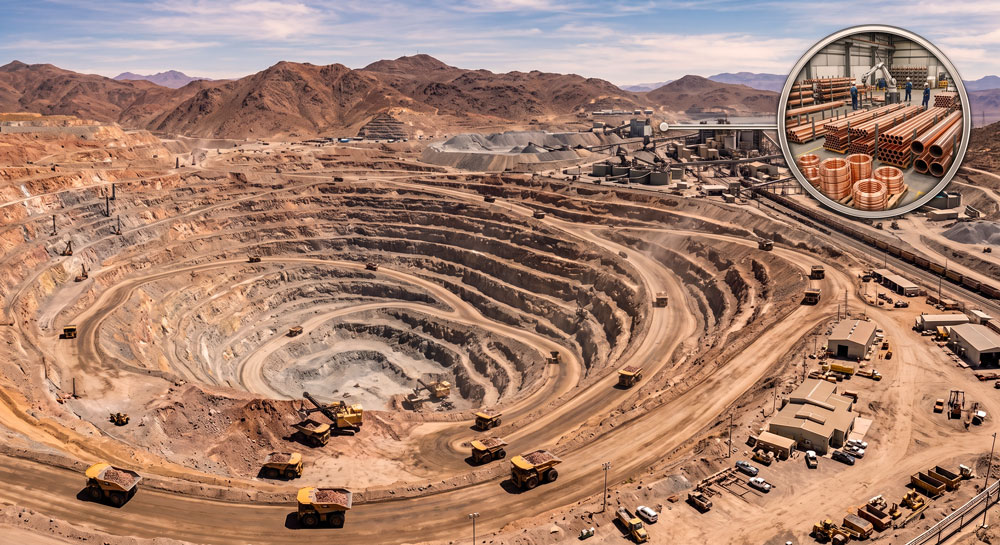
Copper is emerging as the clearest pressure point because it is required across almost every form of electrification. It is used in transmission lines, substations, transformers, renewable-energy systems, electric vehicles, charging networks, cooling equipment and data centres.
The latest project pipeline still indicates a potential copper supply gap of approximately 25% by 2035, even after the outlook improved with advancing projects in the Democratic Republic of the Congo and Zambia. Developing a large copper mine can take many years, while declining ore grades may require more material, water, energy and capital to produce each tonne.
Substitution can help in selected applications. Aluminium can replace copper in some cables and equipment, particularly where weight and conductivity requirements allow it. But substitution cannot remove the underlying need for an enormous expansion of electrical infrastructure. In a world trying to generate more electricity and move it farther, copper increasingly resembles the physical wiring of economic growth.
Battery Minerals Will Not Move Together
The phrase “battery minerals” can create the false impression that lithium, nickel, cobalt and graphite share a single market cycle. In reality, each has its own supply structure, technology exposure and political risks.
Lithium production can respond more quickly than copper mining, and periods of oversupply have previously pushed prices sharply lower. Yet lithium prices more than doubled during the latest rebound as storage demand strengthened and supply conditions tightened. Current projections still indicate that lithium supply may fall short of demand by 2035 if the expected project pipeline fails to arrive on schedule.
Nickel markets have experienced rapid production growth led by Indonesia, while cobalt supply remains heavily influenced by decisions in the Democratic Republic of the Congo. Graphite presents another type of vulnerability because battery-grade processing is highly concentrated, making the location of refining capacity as important as the availability of raw material.
Battery chemistry will continue to evolve, reducing dependence on certain minerals in some applications. Lithium iron phosphate batteries, for example, avoid nickel and cobalt. That improves resilience but does not eliminate the need for lithium, graphite, copper or processing capacity. Technology can shift the bottleneck; it does not always remove it.
Refining Is the Real Chokepoint
Finding a mineral deposit is only the beginning. Ore must be extracted, concentrated, refined into usable material and then converted into products such as cathodes, anodes, magnets, alloys and electrical components.
This middle section of the supply chain is where concentration is often greatest. Excluding rare earths, the leading refining country’s average market share increased to 72% in 2025. China dominates the refining of many major energy minerals, while Indonesia holds a central position in nickel processing.
Diversification is developing, but not evenly. Planned mining projects outside the leading suppliers are advancing faster than refining and manufacturing capacity. By 2035, diversified rare-earth refining capacity is expected to equal only around two-thirds of corresponding mine output, while planned magnet production represents roughly one-third. A similar imbalance exists between projected lithium mining and cathode manufacturing.
A mine without suitable refining capacity does not create an independent supply chain. It creates raw material that may still need to pass through the same concentrated processing hubs the new mine was supposed to reduce reliance upon.
Small Minerals Can Cause Large Disruptions
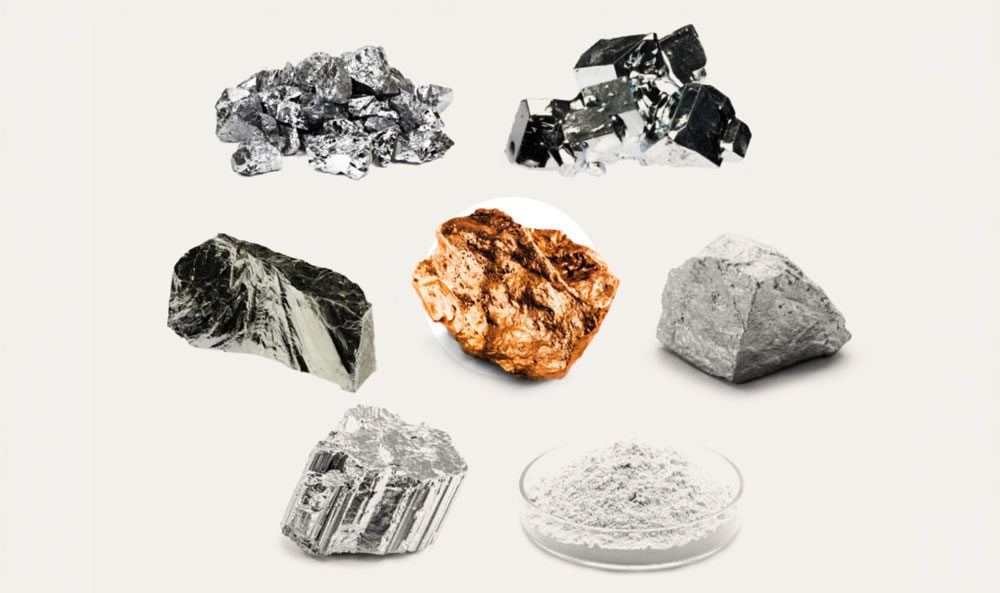
The most economically disruptive shortages may not involve the largest commodity markets. Gallium, germanium, tungsten, antimony, tellurium, yttrium and certain rare earth elements are traded in much smaller volumes than copper or aluminium, but they perform specialized functions that are difficult to replace.
These minerals are found in semiconductors, advanced electronics, aerospace systems, telecommunications equipment, magnets and specialized energy technologies. A manufacturer may need only a tiny amount, yet the absence of that material can prevent completion of a high-value product.
Recent export controls have demonstrated how quickly concentrated supply can affect downstream industries. Prices for several strategic minor minerals more than doubled through 2025 and early 2026, while tungsten increased roughly sixfold. In Europe, some rare earth and semiconductor-related materials have traded at several times their domestic Chinese prices.
This is the uncomfortable arithmetic of critical minerals: a small market can become a very large economic problem.
Low Prices Can Prepare the Next Shortage
Commodity markets contain a familiar contradiction. When prices fall, producers reduce investment. That eventually limits new supply, even if long-term demand remains strong.
Global critical-mineral investment declined by 9% in 2025. Spending on battery metals fell by more than 20%, while lithium companies reduced capital expenditure by approximately 40%. Exploration spending also weakened, although investment by copper-focused companies increased.
This creates a timing problem. Mining companies make decisions based on current prices and financing conditions, while governments and manufacturers plan infrastructure around demand expected many years in the future. By the time shortages raise prices enough to justify new investment, the industry may still need years to permit, finance and construct the required facilities.
Mineral security therefore cannot depend entirely on spot prices. Long-term purchase agreements, public financing, minimum-price mechanisms and strategic partnerships may become necessary to support capacity that markets consider uneconomic today but industries may urgently need tomorrow.
North America and Europe Are Rebuilding Supply Chains
The United States and Canada are moving beyond mineral exploration toward processing, refining and recycling. Canada’s advantage comes from its resource base, established mining sector and access to comparatively low-carbon electricity, while recent Canadian initiatives have placed greater emphasis on accelerating projects and strengthening domestic processing.
The United States is directing funding toward rare earth separation, unconventional mineral recovery, direct lithium extraction and domestic refining. These programs reflect an important shift: policymakers increasingly recognize that possessing resources is not the same as possessing a complete supply chain.
Europe faces greater import dependence. The EU’s Critical Raw Materials Act aims for domestic capacity by 2030 equal to 10% of annual extraction needs, 40% of processing needs and 25% of recycling needs. It also seeks to prevent more than 65% of any strategic material at a relevant processing stage from coming from one external country.
Those targets are ambitious because new mines and refineries face high capital costs, regulatory hurdles and local opposition. Europe’s industrial future may depend on whether policy can turn mineral strategy into operating capacity before demand accelerates further.
Saudi Arabia and the UAE See a Strategic Opening
For Saudi Arabia and the UAE, the mineral shift offers both a warning and an opportunity. Their energy-intensive industries, expanding technology sectors, renewable projects and future manufacturing ambitions will require reliable access to metals and processed materials.
Saudi Arabia is positioning mining as an important part of its economic diversification while developing international mineral partnerships. The Kingdom’s capital, energy resources, industrial zones and geographic position could support a larger role in mineral processing and trade, provided projects are commercially viable and supplied responsibly.
The UAE is also expanding its international involvement in mining and mineral supply chains. Its 2026 critical-minerals framework with the United States covers investment across mining, processing and recycling. Together, the Gulf states have an opportunity to apply decades of experience in energy investment, logistics and long-term contracting to a new class of strategic resources.
Oil influence was built around production, infrastructure and dependable delivery. Mineral influence will require the same discipline—but across far more fragmented markets.
Recycling Will Become a Source of Supply
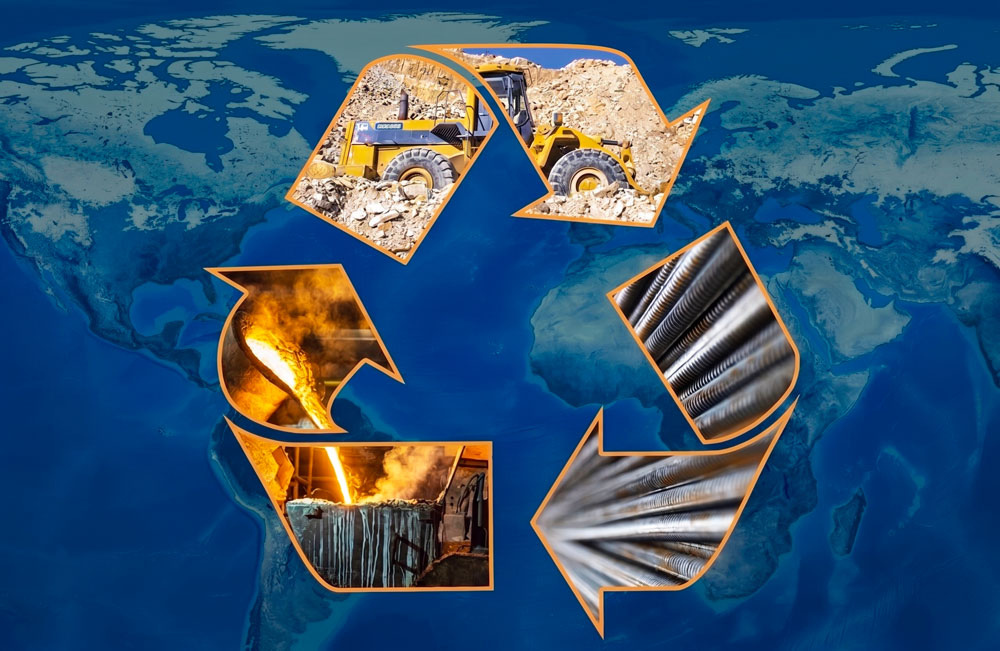
Recycling cannot immediately replace new mining because much of the material required for future infrastructure has not yet entered circulation. Over time, however, retired batteries, vehicles, turbines, electronics and electrical equipment will create a growing secondary resource base.
Urban mining could eventually reduce pressure on new deposits, lower import dependence and provide a more predictable domestic supply. It also avoids some of the long development periods associated with traditional mines.
The strongest mineral strategies will combine new extraction, diversified refining, material efficiency, substitution and recycling. Relying on any single solution would merely replace one form of concentration with another.
The Investment Story Is Broader Than Mining
Investors watching the mineral cycle should look beyond companies that extract raw materials. Refiners, smelters, recycling firms, electrical-equipment manufacturers, engineering companies and businesses that improve material efficiency may all benefit from the effort to strengthen supply chains.
The larger opportunity may lie in the infrastructure surrounding the mine: power, water, transportation, processing technology and long-term purchasing agreements. The companies capable of turning mineral resources into reliably delivered industrial products could hold more strategic value than those simply controlling undeveloped deposits.
Volatility will remain unavoidable. New supply, changing battery chemistries and economic slowdowns can produce sharp periods of oversupply. But beneath those cycles, the structural demand for electrification, digital infrastructure and grid expansion continues to deepen.
MarketMind Insight
The next energy shock may not begin with an empty pipeline or a missing tanker. It could begin when a grid project cannot obtain transformers, a battery factory lacks processed graphite or a manufacturer cannot secure a small quantity of specialized metal. The countries and companies that treat minerals as essential infrastructure—not just another commodity trade—will be better positioned for an economy increasingly built around electricity.