
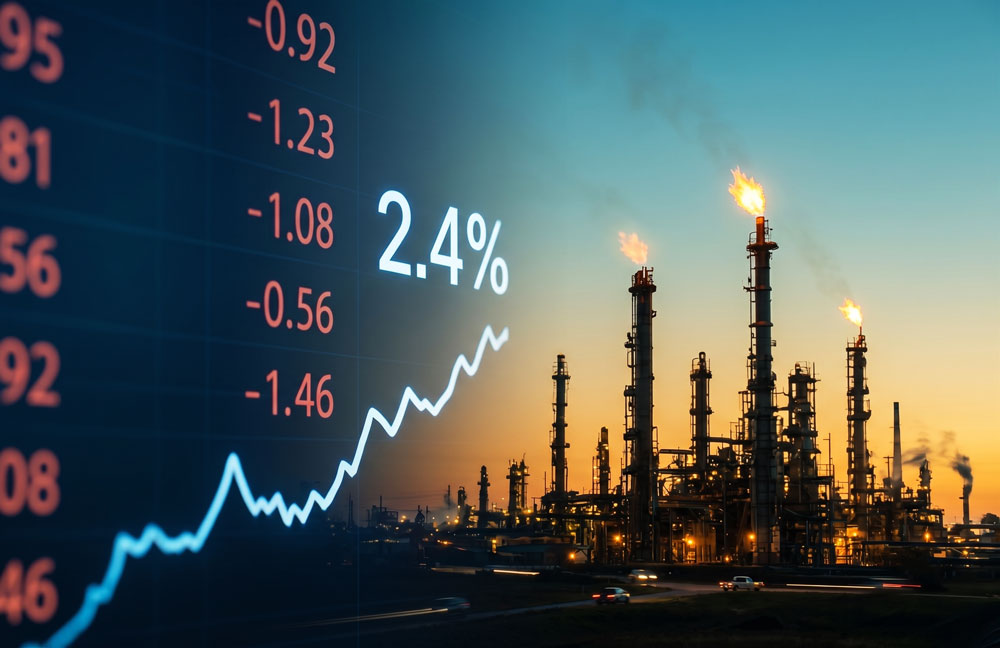
Energy markets are once again at the center of global macro risk. After a brief period of stabilization, renewed supply constraints, geopolitical tension, and structural underinvestment are converging to push oil, gas, and power prices higher. The result is a second inflationary wave—one that is more complex, more persistent, and potentially more disruptive than the first.
Energy Prices Reignite the Inflation Engine
The first inflation surge was fueled by pandemic-era stimulus and supply chain disruptions. This next phase is being driven by energy—arguably the most foundational input cost in the global economy.
- Oil prices have rebounded sharply amid tightening supply and disciplined production strategies
- Natural gas markets remain volatile, particularly in Europe and Asia
- Electricity costs are rising due to grid strain and extreme weather patterns
Energy feeds directly into transportation, manufacturing, and food production. When energy rises, everything else follows.
Supply Constraints Are Structural, Not Temporary
Unlike previous cycles, today’s supply issues are not easily resolved. Years of underinvestment in fossil fuel infrastructure—combined with an incomplete transition to renewables—have created a fragile supply environment.
Key pressure points include:
- Limited spare capacity among major oil producers
- Ongoing disruptions in key export regions
- Infrastructure bottlenecks in LNG and power distribution
- Slower-than-expected scaling of renewable energy systems

The market is operating with less buffer than at any time in recent decades, making it highly sensitive to shocks.
Geopolitics Returns to the Forefront
Energy is once again a geopolitical weapon. Trade tensions, sanctions, and regional instability are amplifying price volatility and fragmenting global supply chains.
- Strategic reserves are being drawn down but offer only short-term relief
- Energy alliances are shifting, with new trade corridors emerging
- Supply security is overtaking cost efficiency as a policy priority
This fragmentation reduces market efficiency and keeps prices structurally elevated.
Inflation Transmission Is Broader This Time
The first inflation wave was largely demand-driven. This second wave is cost-driven, making it harder for central banks to control.
- Higher fuel costs increase logistics and shipping expenses
- Elevated electricity prices impact industrial output
- Food inflation accelerates due to energy-intensive agriculture
Core inflation risks re-accelerating, even as central banks attempt to maintain restrictive monetary policy.
Central Banks Face a Tightrope
Policymakers are now in a difficult position. Tightening too aggressively risks slowing growth further, while easing prematurely could allow inflation to become entrenched again.
- Rate cuts may be delayed despite slowing economic indicators
- Real interest rates could remain elevated longer than markets expect
- Policy divergence may widen between regions depending on energy exposure
Energy-driven inflation is less responsive to interest rates, limiting the effectiveness of traditional tools.
Winners and Losers in the Energy Shock
Not all sectors are equally impacted. The second wave of inflation is reshaping market leadership.
Beneficiaries:
- Energy producers and exporters — ExxonMobil benefiting from higher crude prices
- Infrastructure and pipeline operators — Enbridge gaining from steady transport demand and long-term contracts
- Select renewable and transition energy firms — NextEra Energy supported by long-term clean energy investment flows
Under Pressure:
- Transportation and logistics companies — Delta Air Lines facing rising jet fuel costs
- Energy-intensive industries (chemicals, manufacturing) — BASF impacted by higher input and production costs
- Consumer sectors facing reduced discretionary spending — Walmart managing margin pressure as consumers pull back
These examples highlight how capital is rotating toward energy-linked cash flows while cost-sensitive sectors absorb the impact acordingly, favoring real assets and inflation-resistant sectors.
The Transition Paradox
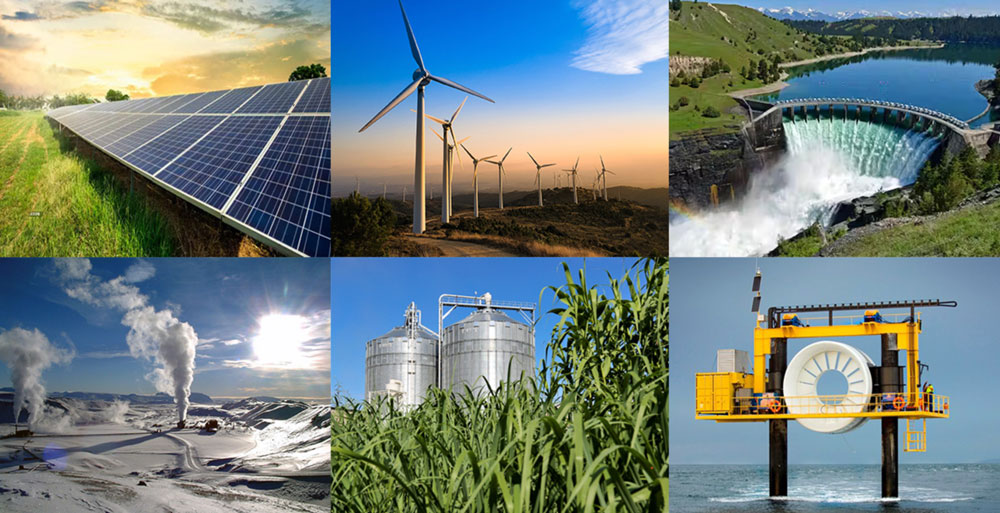
The global shift toward clean energy is part of the problem—and the solution. The transition requires massive upfront investment while still relying on traditional energy sources in the interim.
- Renewable expansion is capital-intensive and time-consuming
- Fossil fuel supply is constrained due to ESG and regulatory pressures
- Grid modernization is lagging behind demand growth
This creates a “transition gap” where supply cannot fully meet demand, sustaining upward price pressure.
Market Implications
The second inflation wave is not just a macro story—it is a structural shift in how markets price risk.
- Volatility is likely to remain elevated across commodities
- Inflation expectations may become less anchored
- Asset allocation is shifting toward tangible and income-generating assets
The era of cheap energy—and by extension, low inflation—appears increasingly distant.
MarketMind Insight
The emerging energy shock is not a temporary spike but a systemic imbalance between supply, demand, and transition realities. Inflation’s second wave is being driven by forces that are harder to control and slower to unwind. For markets, this signals a prolonged period of elevated costs, tighter policy conditions, and a renewed focus on energy as the defining macro variable of the decade.