
Saudi Arabia has opened another outlet for its crude oil as attacks on the kingdom’s East–West Pipeline disrupt shipments through the Red Sea. Saudi Aramco is offering additional cargoes to Asian refiners through ship-to-ship transfers off Sohar, Oman, providing the market with a temporary but important alternative at a moment when both the Strait of Hormuz and the Red Sea are under pressure.
The arrangement does not create a new pipeline or eliminate the region’s security risks. Saudi crude must still leave terminals inside the Gulf before it can be transferred near Oman. However, the ability to reposition oil outside the Strait of Hormuz and load it onto vessels bound for Asia is helping Saudi Arabia maintain exports while its primary bypass route remains unavailable. Oil prices eased after the additional Oman loadings emerged, although crude and refined-fuel markets remain exceptionally tight.
The East–West Pipeline Disruption
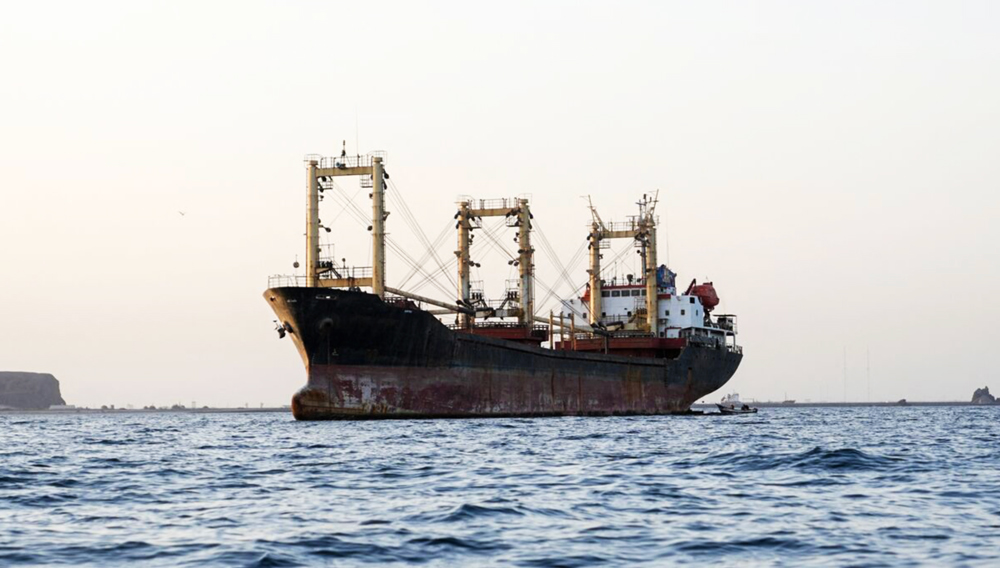
Saudi Arabia’s 1,200-kilometre East–West Pipeline carries crude from the kingdom’s producing regions to Yanbu on the Red Sea. During the prolonged disruption to shipping through the Strait of Hormuz, the pipeline became one of the most important pieces of energy infrastructure in the world. It had been moving approximately four million to five million barrels per day, equal to roughly 4% to 5% of global oil supply.
Drone attacks damaged the pipeline in September, forcing Saudi Arabia to suspend operations and halt crude loadings at Yanbu. Some European customers were informed that September cargoes would be cancelled, while at least one Asian buyer received notice that its shipment would be delayed and rescheduled.
The timeline for restoring the pipeline remains uncertain. U.S. Energy Secretary Chris Wright has said crude could begin flowing again within days, but other assessments have suggested that complete repairs could require several weeks. Partial operations may resume before all damaged sections are fully restored, making the eventual recovery more likely to happen in stages than through an immediate return to full capacity.
How the Oman Route Works
Saudi Aramco is increasing loadings at Ras Tanura and Juaymah, its major export terminals inside the Gulf. Smaller shuttle movements can carry the crude through the Strait of Hormuz before transferring it to larger tankers positioned off Sohar, on Oman’s northeastern coast.
This allows Saudi Arabia to offer Arab Light, Arab Medium and Arab Heavy crude for loading outside the strait. Aramco has presented the arrangement to term customers in Asia, following earlier offers involving Arab Medium and Arab Heavy cargoes.
Saudi crude loadings at Ras Tanura and Juaymah recently doubled to the equivalent of about four million barrels per day. Vessel-tracking data also showed four very large crude carriers, with combined capacity of approximately eight million barrels, loading at Ras Tanura. These figures demonstrate the speed at which Saudi Arabia is attempting to rebuild its export chain, even if individual tanker movements remain exposed to congestion, security restrictions and rapidly changing conditions.
Why Sohar Matters
Sohar gives Saudi Arabia a practical transfer point beyond the most constrained part of the Gulf export system. Once crude has reached the waters off Oman, it can be consolidated into larger cargoes and sent toward India, China, South Korea, Japan and other Asian markets without requiring the receiving tanker to enter the inner Gulf.
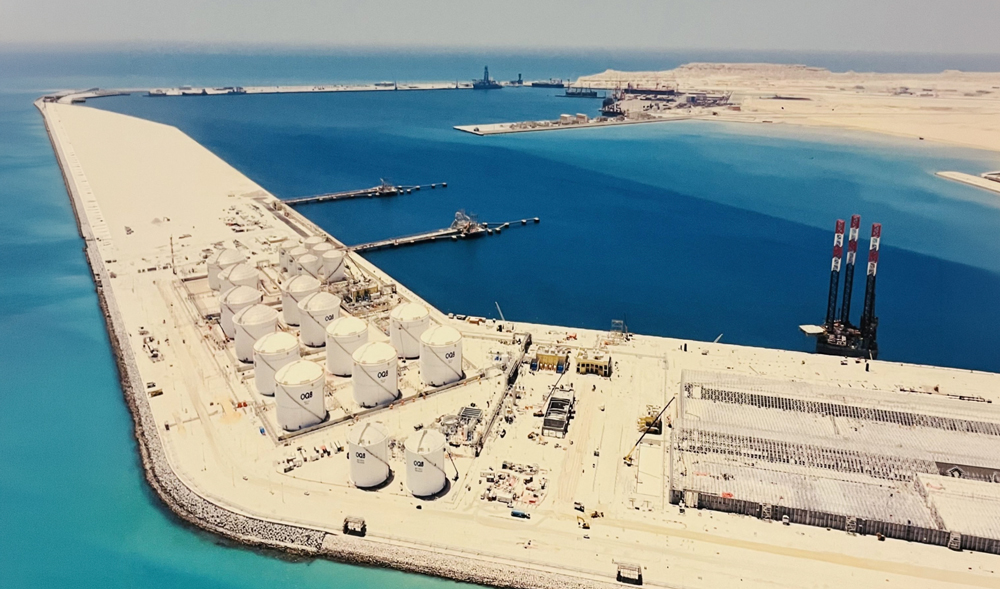
Oman’s geography has become increasingly valuable during the crisis. Sohar, Duqm and the Ras Markaz storage complex give the country access to the Arabian Sea and Indian Ocean while supporting storage, refining, blending and offshore loading operations. Ras Markaz, located near Duqm, was specifically designed to provide crude storage and export capacity well beyond the Strait of Hormuz, although it is not the centre of the current Saudi transfer arrangement.
For Oman, the broader shift strengthens its position as a logistics and energy hub. Ports, storage terminals and transfer services that once looked like supporting infrastructure are becoming strategic assets. The country can serve as a bridge between Gulf production and international shipping routes whenever traditional export channels are disrupted.
Relief, but Not a Full Solution
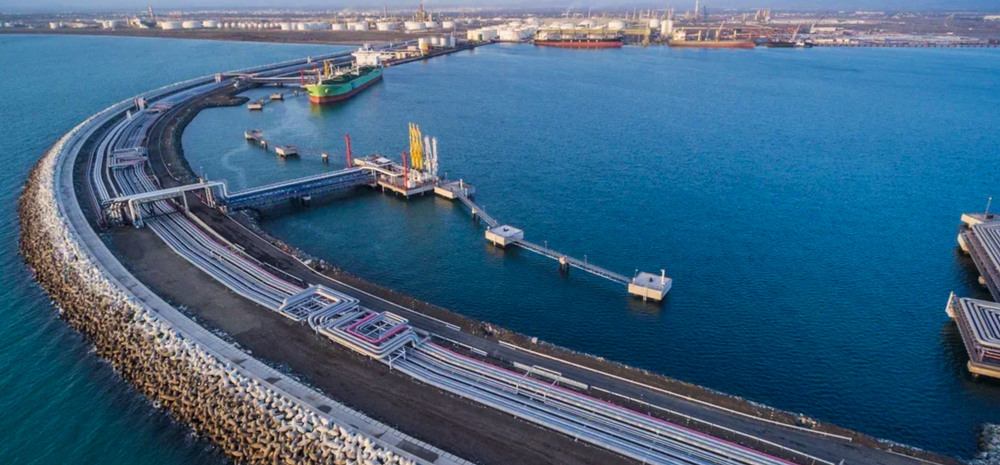
The Oman route is easing immediate supply concerns, but it cannot fully replace the East–West Pipeline. Saudi crude must still travel from Gulf terminals through a heavily disrupted maritime zone before reaching Sohar. Visible vessel passages through the Strait of Hormuz remain far below previous averages, even though actual oil movements may be higher because some ships are operating without continuously broadcasting their tracking signals.
Ship-to-ship transfers also introduce additional costs. Saudi Arabia and its customers must secure suitable shuttle vessels, coordinate tanker arrivals, manage offshore transfers and absorb higher insurance and security expenses. Bad weather, port congestion or another escalation around the strait could quickly reduce the route’s effectiveness.
The system is therefore best understood as a pressure valve. It can preserve part of Saudi Arabia’s export capacity and prevent an immediate collapse in deliveries, but it is not as efficient, predictable or scalable as moving crude through a fully operational pipeline to Yanbu.
Oil Prices Respond
Brent crude retreated to around $107 a barrel after news of the additional Oman loadings reduced fears that Saudi exports would suffer a prolonged interruption. West Texas Intermediate also moved lower after the market learned that more cargoes were being offered outside the Strait of Hormuz.
The price reaction shows how sensitive the market has become to logistical developments. Traders are no longer focused only on how much oil Saudi Arabia can produce. The more urgent question is how much of that production can physically reach international buyers.
The decline in crude prices should not be mistaken for a return to normal conditions. Brent remains above $100, the East–West Pipeline is still disrupted, and both European and Asian buyers face uncertainty over delivery schedules. The Oman option has reduced the probability of the most severe short-term shortage, but it has not removed the geopolitical premium embedded in oil prices.
Diesel Remains the Bigger Warning
While crude prices eased, diesel markets remain extremely tight. Europe has lost part of its normal supply of diesel and jet fuel from the Middle East, while disruptions at Russian refineries and restrictions on Russian fuel exports are adding another layer of pressure.
This creates an important distinction for investors. Additional Saudi crude moving through Oman may calm headline oil prices, but it does not immediately restore refining capacity, product exports or regional shipping schedules. Diesel, jet fuel and other middle distillates can therefore remain expensive even when Brent declines.
Persistent diesel inflation would affect freight, aviation, agriculture, construction and industrial production. It could also complicate central-bank efforts to control consumer inflation, particularly in economies that depend heavily on imported fuel.
What Investors Should Watch
The first signal will be the restoration of Saudi Arabia’s East–West Pipeline. Even a partial restart would allow more crude to return to Yanbu and reduce the burden on Gulf terminals and Omani transfer operations. Confirmation of sustained flows will matter more than an initial announcement because damaged infrastructure can restart at reduced capacity.
Tanker traffic through the Strait of Hormuz is the second major indicator. A continued increase in successful passages would improve confidence in the Sohar arrangement and allow Saudi Arabia to offer more cargoes. A renewed decline would expose the limits of relying on shuttle movements.
Investors should also watch physical crude differentials, tanker rates and refined-product margins. These measures can reveal supply stress before it becomes fully visible in benchmark oil prices. Strong diesel margins combined with elevated shipping costs would suggest that the crisis is still affecting the real economy, even if Brent temporarily stabilizes.
Omani infrastructure is another area gaining strategic importance. Continued investment in Sohar, Duqm and Ras Markaz could give Gulf producers more options during future disruptions. The current crisis may accelerate commercial interest in storage, pipeline connections and offshore loading capacity along Oman’s coast.
MarketMind Insight
Oman is not replacing Saudi Arabia’s damaged export network, but it is giving the kingdom something almost as valuable in the short term: flexibility. Ship-to-ship transfers off Sohar are keeping additional crude in circulation, reassuring Asian buyers and reducing the immediate risk of a much sharper oil-price spike.
The larger lesson is that spare production capacity means little without spare transportation capacity. Pipelines, storage terminals, tankers and alternative ports are becoming as important to energy security as the oil fields themselves. Oman’s location now places it near the centre of that equation.
For markets, the new route is a stabilizer rather than an all-clear signal. It buys time while the East–West Pipeline is repaired, but the global oil system remains vulnerable to disruptions across multiple chokepoints. Saudi Arabia has found another way to reach its customers. The challenge is whether that route can remain reliable long enough for the kingdom’s main export system to recover.