
The European Union’s next long-term budget is caught between bigger spending ambitions and governments wary of paying more. As leaders negotiate the 2028–2034 budget, the question is whether new revenue sources can ease pressure on national contributions—or whether disagreement over who pays will force deeper spending cuts.
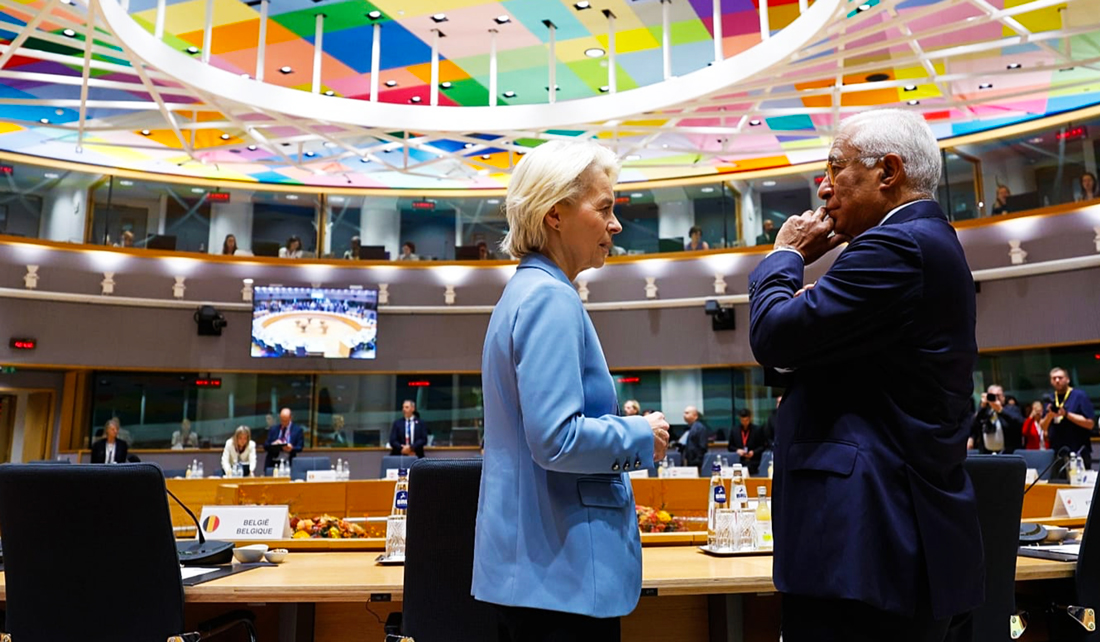
The European Parliament has urged the EU to consider levies on digital services, online gambling and crypto-asset capital gains. These ideas remain proposals, not taxes that have been adopted. They have gained attention after EU leaders failed to settle the budget’s size and financing at their October summit. European Council President António Costa is now steering the next phase of negotiations, with leaders expected to return to the issue in November.
Digital services: revenue and trade risk
A levy on large digital platforms could provide a sizable contribution to the EU budget. The European Commission’s earlier estimate put potential annual revenue at about €5 billion. Parliament’s estimate is much higher—up to €25.2 billion—partly because it uses a broader tax base that includes services such as streaming and data processing.
That gap shows how much the eventual design matters. The levy could be limited to a narrower set of digital activities or apply across a wider range of services and companies. A broad tax could raise more, but several member states worry it could provoke a response from the United States, where many major technology companies are based. Others argue that an EU-wide approach could prevent large firms from facing a patchwork of national rules and ensure they contribute where they do business.
Online gambling: Malta’s objection

Parliament has also proposed a levy on online gambling and betting services. Its estimate suggests the measure could raise about €3.9 billion annually, compared with the Commission’s earlier estimate of €1.9 billion.
The proposal faces strong opposition from Malta, which hosts many online betting companies. The dispute is not only about revenue: governments differ over how far the EU should reach into a sector that is regulated and taxed nationally. Supporters say an EU-level contribution could complement national systems. Critics fear it could raise costs for operators based in Malta and unsettle existing licensing and tax arrangements.
Crypto gains: uncertain returns
A levy on crypto-asset capital gains could create another revenue stream, with Parliament estimating around €3 billion a year. But the practical questions are substantial: how to measure gains across jurisdictions, how to collect the tax, and how to limit avoidance when users and assets can move across borders.
Revenue could also fluctuate with crypto prices and trading activity. That makes this option less predictable than a levy tied to a broader, more stable tax base. Even supporters would need to resolve how the system fits with national tax rules and the EU’s existing financial regulations.
A wider budget standoff
These parliamentary proposals are alternatives to the European Commission’s original package of five new own resources, which includes contributions linked to carbon emissions, tobacco excise and large companies. The Irish Council Presidency’s October negotiating proposal retained the Commission’s ideas but did not include Parliament’s additional levies.
The financing argument sits inside a larger dispute over how much the EU should spend. The Commission proposed a long-term budget of nearly €1.8 trillion in 2025 prices. The Irish proposal would cut that figure by €141 billion. Net-contributor countries want to limit the bill, while Parliament and other governments warn that a smaller budget could squeeze shared priorities and existing programmes.
New EU revenue sources would not bypass national governments. The own-resources decision requires unanimous approval in the Council and ratification by every member state under its national procedures. That gives each government considerable influence over the final package—and makes agreement difficult when countries face different fiscal pressures, industries and political risks.
MarketMind Insight
The debate is about more than finding new tax bases. It is about whether EU governments will accept a larger shared budget, which sectors should help fund it, and how much control should remain at the national level. Digital services, gambling and crypto offer possible revenue, but each brings a different political obstacle. Until governments agree on both the spending level and the financing mix, projected yields remain negotiating figures rather than dependable budget income.