
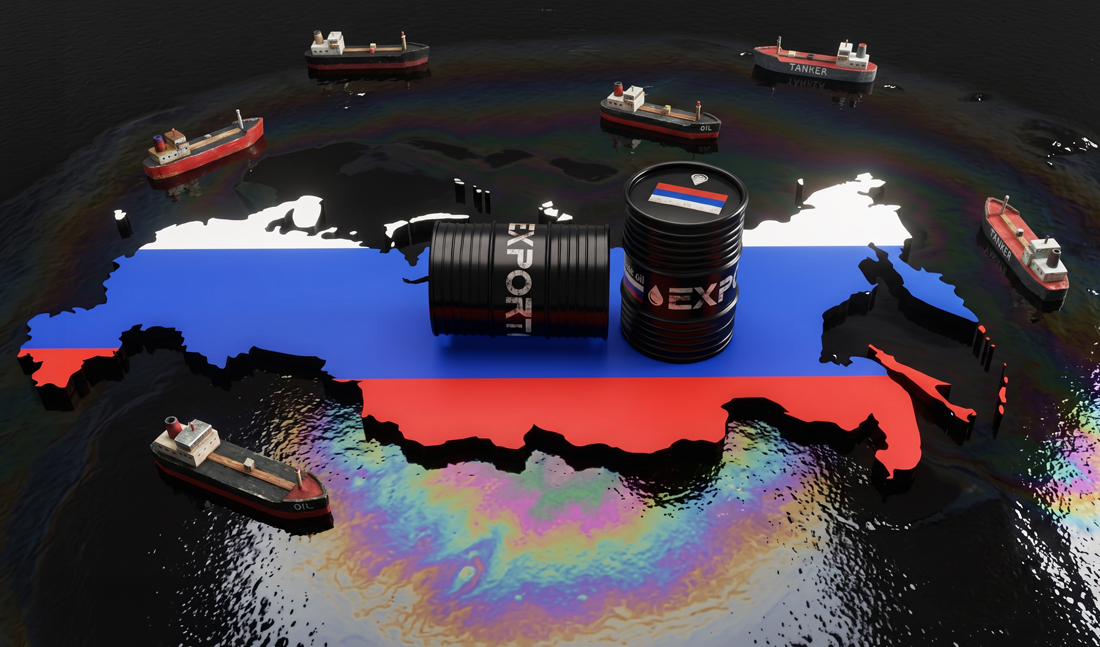
The prospect of more Russian fuel returning to world markets has shifted from political announcement to logistical test. The United States has waived some sanctions and tariff measures affecting Russian exports, while Washington and Moscow have publicized plans for Russia to supply additional diesel. Russia has also partially eased its own export restrictions, and diesel loadings have resumed at the Baltic port of Primorsk.
That is a meaningful change in policy. It does not, by itself, guarantee a steady increase in fuel reaching buyers. Russian refineries have been hit by repeated attacks, export controls are being adjusted in stages, and the movement of cargo still depends on available port capacity, tankers, insurance and commercial contracts. For energy markets, the distinction is crucial: permission to sell is not the same as new supply arriving.
A waiver changes the rules, not the supply chain
The latest US measures provide greater room for Russian diesel sales and reduce the threat of penalties that could have deterred some buyers. The waiver of new sanctions and tariffs also eases uncertainty for countries such as India, a major buyer of Russian crude. But the measures do not erase every pre-existing restriction, and the diesel authorization is narrower than a general reopening of Russian energy trade.
The announced diesel volumes are also phased. The initial shipment is about 300,000 metric tonnes, followed by a larger tranche in November and further volumes if the arrangement continues. Those commitments have attracted attention because diesel supplies are tight and prices have risen sharply. Yet the announced figures remain a schedule to be fulfilled, not a record of completed deliveries. Contracts, grades, destinations and loading windows all have to line up before the fuel can be counted as delivered supply.
There is another distinction for traders to keep clear: the agreement concerns refined diesel, not an immediate release of additional crude oil. Crude can help only if refiners have the capacity to process it and the resulting products can reach the right markets. At present, the pressure is particularly acute in refined fuels, where refinery damage and export restrictions have constrained availability.
Refinery damage limits the rebound
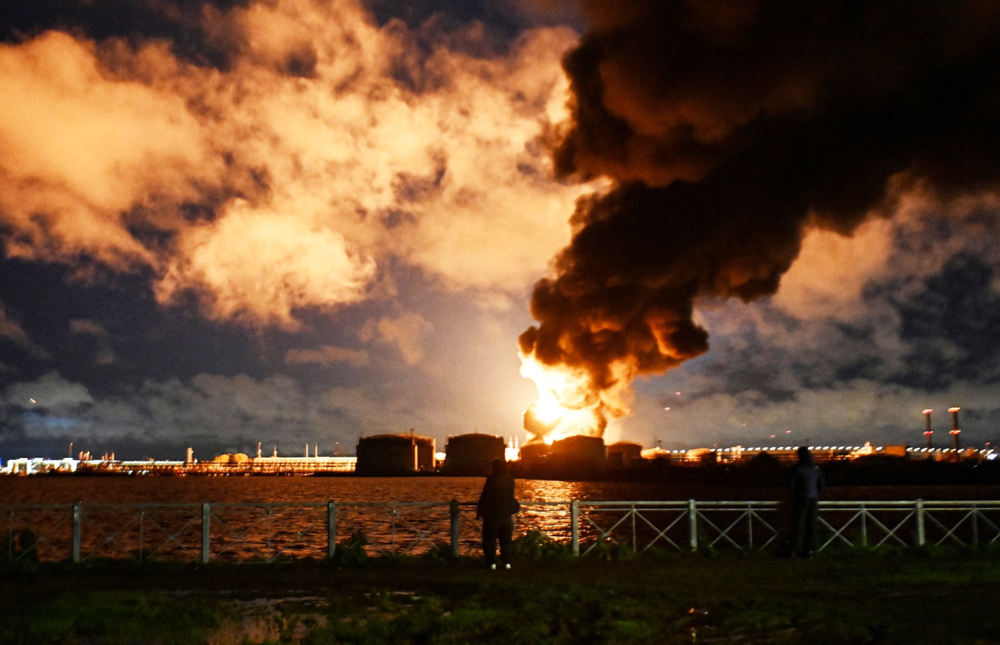
Ukrainian strikes on Russian energy infrastructure have reduced refinery output and disrupted domestic fuel supply. Those attacks have contributed to Moscow’s export controls, which were introduced to prioritize the home market. A partial relaxation may release some cargoes, but it cannot instantly restore damaged processing units or guarantee a surplus of exportable diesel.
Recent export data have shown how far flows can move when restrictions and outages tighten at the same time. Russian diesel exports fell sharply from their earlier levels, while Black Sea shipments dropped to zero in one reported week in late September. A return of loadings through Primorsk is a sign that trade is restarting, but a few cargoes do not establish that previous export volumes have returned.
The latest strikes add uncertainty at the port end of the chain as well. Ukrainian drones hit an oil terminal and depot in St. Petersburg on October 18, causing fires. The full impact on export operations was not immediately clear. Even when a facility remains operational, damage, inspections or precautionary pauses can disrupt schedules and leave tankers waiting for a loading slot.
Russia can redirect flows between ports and buyers, but this flexibility has limits. Refineries need to produce the fuel first; storage and terminals need to handle it; and vessels must be available to load and carry it. If refinery output is constrained, or a port faces disruption, policy relief cannot make up the difference on its own.
Shipping determines who actually benefits
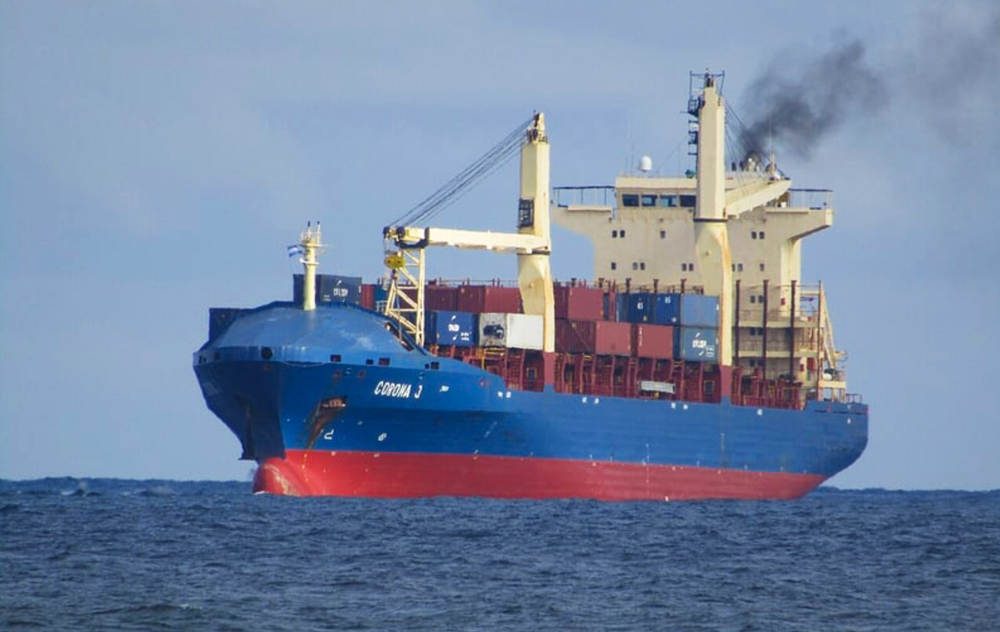
A diesel cargo must still travel from a Russian port to a buyer willing and able to take it. The first expected US delivery, according to Russian officials, depends on commercial contracts being signed and could take 15 to 20 days afterward. That timetable illustrates the gap between an announcement and a physical arrival.
The destination matters, too. Russian diesel entering the global market may not go directly to the United States. It could be bought by existing customers in Turkey, North Africa or Asia, freeing other suppliers to redirect their fuel elsewhere. That can ease pressure across the market, but the benefit is indirect and depends on whether the new Russian cargo adds to total supply or simply rearranges existing trade routes.
Shipping availability and insurance costs also shape the economics. Tankers serving sanctioned or high-risk trade can face extra scrutiny, higher costs and a narrower pool of counterparties. Any proposed relaxation of restrictions affecting vessels would matter only if it led to ships being approved, insured, contracted and loaded. The practical test is not whether more ships appear on a policy list; it is whether cargoes sail on schedule and reach refiners or distributors.
Price relief may arrive slowly
Markets can react to expected supply before the fuel is delivered. The sanctions waiver has encouraged traders to consider whether more Russian diesel could ease tightness, and oil prices have slipped from recent highs as investors weigh that possibility alongside persistent supply risks in the Middle East.
But the price signal is competing with other forces. Attacks on shipping in and around the Strait of Hormuz have sharply reduced Gulf crude flows, while damaged refining capacity in several regions has tightened product markets. Freight, insurance and security risks remain elevated. A Russian cargo may help at the margin, but it cannot quickly offset a larger disruption to crude and refined-product trade.
The key indicators over the coming weeks will be actual loadings, the number and destination of cargoes, refinery operating rates, and whether the export restrictions are relaxed further. If loadings rise consistently and buyers take delivery, the policy shift will become a genuine supply response. If volumes remain modest or are repeatedly interrupted, the market will treat the deal as limited relief.
MarketMind Insight
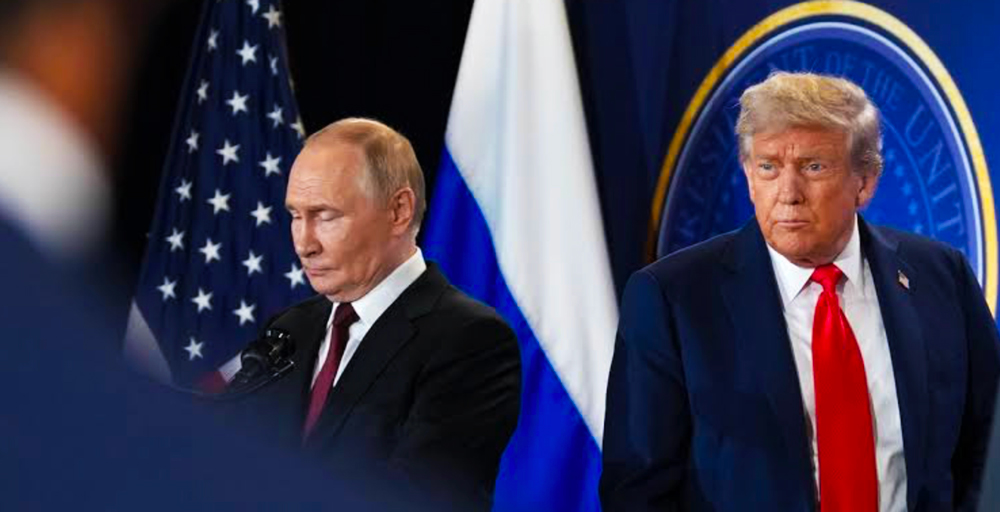
Sanctions relief can remove a commercial barrier, but it cannot repair a refinery, reopen a damaged terminal or put a tanker at a loading berth. Russia has restarted some diesel exports, yet the scale and durability of the increase remain uncertain. For buyers and traders, confirmed cargoes and delivered volumes matter more than headline commitments. Until those flows build, the announcement offers a signal of potential relief—not proof that the physical bottleneck has cleared.