Henry Hub, Europe’s TTF and Asia’s JKM reflect different local pressures. Their widening gaps show where gas is scarce, where exporters can earn more, and how much importers may pay to secure cargoes.
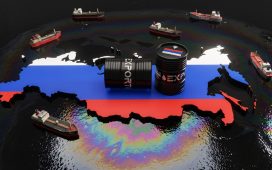
There is no single global price for natural gas. The United States is largely priced around domestic pipeline supply, while Europe and much of Asia compete for internationally shipped liquefied natural gas (LNG). That structure means the same fuel can command sharply different prices across regions—and those differences can shift trade flows, raise costs for importers and reshape exporters’ margins.
Recent benchmarks illustrate the divide, though the figures are not perfectly synchronized: Henry Hub spot prices averaged $3.20 per million British thermal units (MMBtu) for the week ending October 16; spot LNG for delivery to North Asia reached $29.30/MMBtu that same week; and Europe’s TTF front-month contract climbed to €96.63 per megawatt-hour on October 26. TTF is quoted in a different unit and represents a different delivery period, so these figures provide a broad comparison rather than a same-day price ranking.
Three Benchmarks, Three Market Signals
Henry Hub is the U.S. reference price, based on gas delivered at a pipeline hub in Louisiana. It reflects domestic production, storage, weather and demand from power generators, factories and LNG export terminals. When U.S. supply is ample, Henry Hub can remain low even as overseas buyers face much higher prices. U.S. gas inventories were forecast to enter the heating season slightly above their five-year average, helping buffer domestic prices.
TTF, the Title Transfer Facility in the Netherlands, is Europe’s main wholesale gas benchmark. It captures the value of gas available in the European market, including pipeline supply and LNG. Storage levels, weather, pipeline availability and competition for seaborne cargoes all influence its price. In late October, TTF rose to its highest level since late 2022 as colder forecasts and supply concerns sharpened attention on winter inventories.
JKM, the Japan-Korea Marker, tracks spot LNG delivered to Northeast Asian markets, including Japan, South Korea, China and Taiwan. It is especially sensitive to regional demand, cargo availability and shipping costs. Unlike a domestic pipeline hub, it reflects the cost of bringing LNG to buyers by vessel.
Why the Gaps Widen
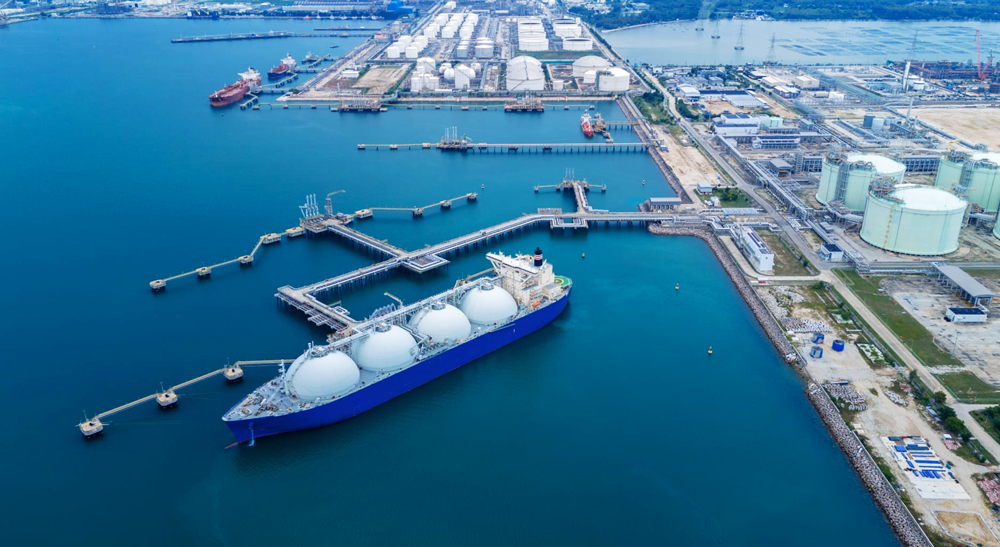
The price divide often comes down to how easily gas can move. U.S. producers cannot send pipeline gas directly to overseas buyers; it must be liquefied, loaded onto a vessel and shipped. Exporters therefore compare overseas prices with the cost of U.S. feedgas, liquefaction and transport. A large gap between Henry Hub and TTF or JKM can make exports attractive, but the spread alone does not equal profit.
The gap between Europe and Asia helps determine where flexible LNG cargoes go. A higher JKM price may draw a cargo toward Northeast Asia, but the destination decision depends on freight costs, delivery timing, contract terms and operational constraints. Changes in the JKM–TTF spread have previously encouraged cargoes to move between the two regions.
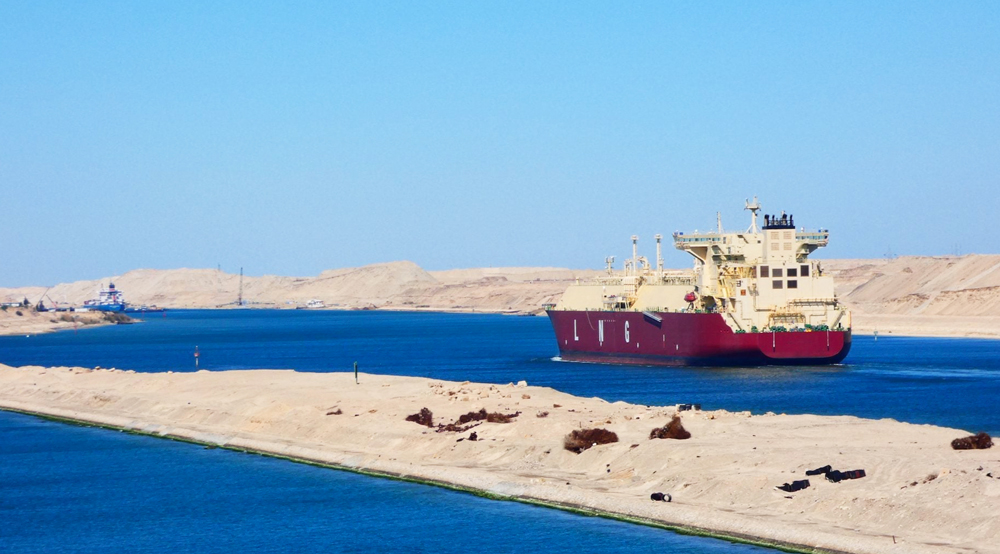
This autumn, supply disruption has added pressure to the international benchmarks. Restrictions on LNG flows through the Strait of Hormuz have intensified competition for spot cargoes, while Europe’s storage was 74.6% full on October 21—below its level a year earlier. Asia’s spot LNG price reached its highest point since December 2023 in the week to October 16.
What the Divide Means for Exporters and Importers
For U.S. LNG exporters, high overseas prices can support strong sales economics, particularly when domestic gas remains relatively inexpensive. But the export margin depends on more than the headline benchmark: liquefaction fees, feedgas formulas, shipping and contract commitments all matter. U.S. LNG contracts commonly link feedgas costs to Henry Hub, and many allow destination flexibility, giving buyers or marketers more room to redirect cargoes when market conditions change.
For importers in Europe and Asia, a wide premium over Henry Hub signals that securing supply may be costly. Buyers with long-term contracts can be partly insulated from spot-market swings, depending on their contract’s pricing formula. Those relying more heavily on spot cargoes are more exposed to regional competition, shipping disruptions and sudden changes in weather or storage needs.
For producers and policymakers, the spread also carries a longer-term signal. High prices can encourage supply investment and fuel switching, but they can also make consumers more cautious. Some power markets in Europe and Asia have reduced gas-fired generation this year as renewables, storage, nuclear output or coal have filled more of the mix. Strong prices may therefore improve near-term returns for suppliers while making it harder to assume that gas demand will rise steadily everywhere.
What Markets Should Watch Next
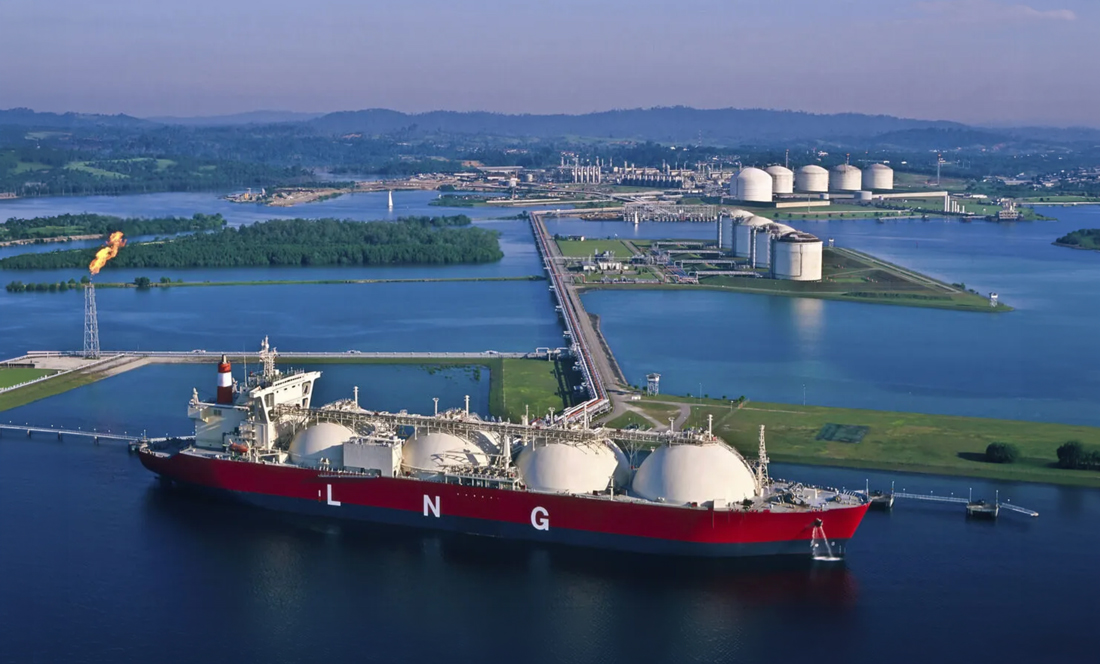
The next moves in the price divide will depend on winter weather, storage withdrawals, LNG export availability and the security of shipping routes. In Europe, the pace of inventory drawdown will help determine how urgently buyers seek replacement cargoes. In Asia, import demand will vary by country: buyers with ample inventories may hold back, while colder weather or supply constraints could bring them back to the spot market.
The key comparison is not simply which benchmark is highest. It is whether the price premium in a destination is large enough to cover the full cost and risk of delivering another cargo there. A spread that looks generous on a screen can narrow quickly once transport, timing and contract terms are included.
MarketMind Insight
The global gas market is connected by LNG, but it is not yet a single market. Henry Hub signals the balance of U.S. supply and demand; TTF reflects Europe’s need to secure flexible supply; and JKM measures the price of delivered LNG in Northeast Asia. When the international benchmarks pull far above Henry Hub, exporters gain an incentive to sell abroad while importers face stronger cost pressure. The spread’s real message lies in the route, the contract and the availability of cargoes behind each quoted price.