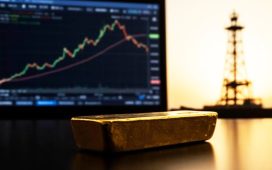

Currency markets have always reacted quickly to uncertainty, but the global environment entering 2026 has intensified this dynamic. Rising geopolitical tensions, supply disruptions, and shifting trade alliances are adding a measurable “risk premium” to foreign exchange markets. Investors are increasingly pricing political instability, regional crises, and strategic competition directly into currency valuations.
Unlike past periods where macroeconomic fundamentals dominated FX movements, today’s currency flows are increasingly influenced by geopolitical signals. As a result, safe-haven currencies, commodity exporters, and strategically positioned economies are experiencing sharper volatility and rapid capital shifts.
How Geopolitical Risk Enters Currency Pricing
Foreign exchange markets respond quickly to perceived instability because currencies represent the financial health and political credibility of entire economies. When uncertainty rises, investors typically reallocate capital toward jurisdictions perceived as more stable.
Several mechanisms transmit geopolitical risk into FX markets:
- Capital flight toward safe havens such as the U.S. dollar, Swiss franc, and Japanese yen
- Energy price shocks that affect currencies tied to commodity exports or imports
- Trade route disruptions impacting export-dependent economies
- Defense spending surges that alter fiscal outlooks and inflation expectations
- Sanctions and financial restrictions that reduce currency liquidity or international use
The result is a geopolitical premium embedded in exchange rates—an additional valuation layer beyond traditional economic indicators like growth or interest rates.
Safe-Haven Currencies Gain Strategic Importance
Periods of heightened geopolitical stress typically reinforce demand for currencies associated with stability, liquidity, and strong institutional credibility.
Key safe-haven dynamics include:
- U.S. Dollar (USD) remains the dominant reserve currency and benefits from global liquidity demand during uncertainty.
- Swiss Franc (CHF) attracts capital due to Switzerland’s political neutrality and stable financial system.
- Japanese Yen (JPY) often strengthens when global risk appetite declines, supported by Japan’s large net foreign asset position.
Even modest geopolitical developments can trigger sharp movements in these currencies as investors hedge against global instability.
Commodity Currencies and Energy Volatility
Currencies linked to commodity exports—such as the Canadian dollar, Australian dollar, and Norwegian krone—are increasingly sensitive to geopolitical shifts that influence energy and resource markets.

For example:
- Energy price surges can strengthen oil-exporting currencies.
- Supply chain disruptions can lift resource prices, benefiting commodity exporters.
- Import-dependent economies may see currency depreciation as energy costs rise.
As geopolitical tensions affect shipping routes, energy supply chains, and resource availability, these currencies experience amplified volatility.
Regional Currency Fragmentation
Another emerging trend is the growing fragmentation of currency influence across global regions. Strategic competition between major powers is reshaping trade relationships and financial alliances.
This has led to:
- Increased use of regional currency settlements in trade agreements
- Greater volatility in emerging market currencies exposed to geopolitical shocks
- Central banks diversifying reserves to reduce dependence on any single currency
While the U.S. dollar remains dominant, geopolitical shifts are gradually encouraging diversification in international currency usage.
Central Banks and the FX Stability Challenge
Central banks face a more complex environment as geopolitical risks increasingly influence exchange rates. Traditional monetary policy tools—interest rates, liquidity operations, and foreign exchange interventions—must now respond to factors beyond economic fundamentals.
Authorities are particularly focused on:
- Preventing excessive currency volatility
- Maintaining foreign reserve buffers
- Coordinating policy with fiscal and energy strategies
For many emerging economies, managing exchange rate stability during geopolitical stress has become a core policy challenge.
What Investors Are Watching
Currency traders are monitoring several geopolitical indicators that increasingly move FX markets:
- Strategic tensions affecting major trade corridors
- Energy market disruptions and shipping risks
- Sanctions regimes and financial system restrictions
- Defense spending shifts among major economies
- Political instability in emerging markets
These factors are shaping a new era in currency trading where political developments can move exchange rates as rapidly as economic data.
MarketMind Insight
The geopolitical risk premium is becoming a permanent feature of foreign exchange markets rather than a temporary disruption. As global power dynamics shift and strategic competition intensifies, currency traders must now evaluate political developments alongside traditional macroeconomic indicators. In this evolving landscape, geopolitical awareness is becoming as essential to FX strategy as interest rates and economic growth.