The Gulf is entering another energy shock, but this one looks different from the classic oil-price spikes of the past. Instead of a simple story of higher crude prices lifting regional markets, investors are now watching a more complicated mix: geopolitical risk, shipping disruption, OPEC+ supply strategy, Asian demand weakness, and the fiscal needs of ambitious Gulf economies.
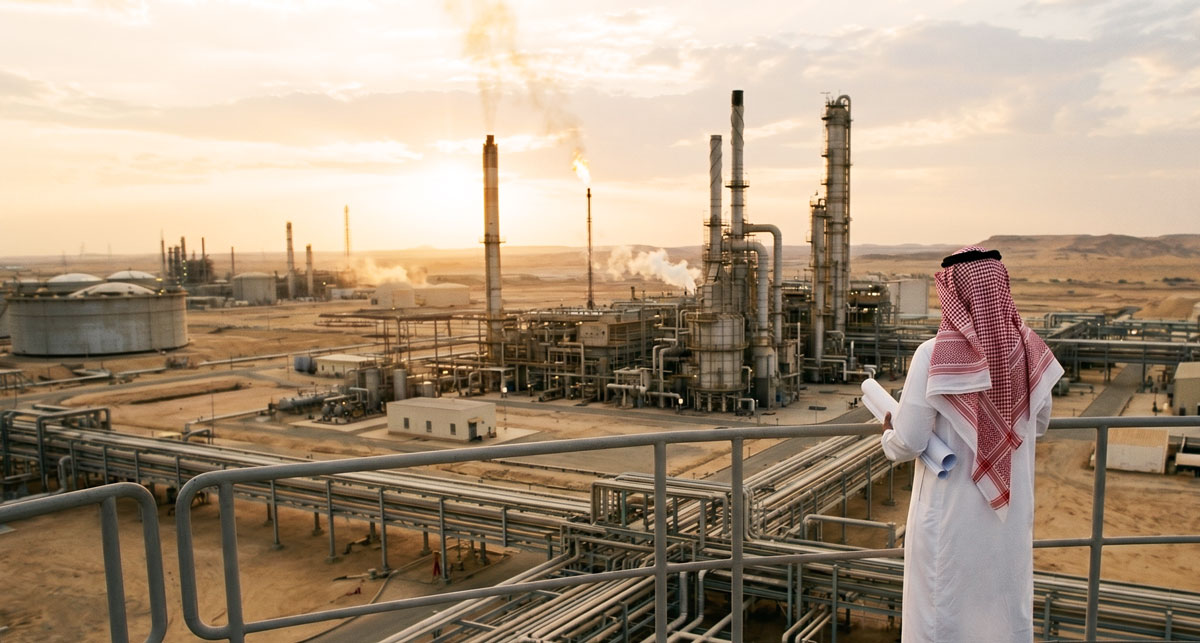
Saudi Arabia sits at the centre of this equation. As the world’s most important swing producer, the Kingdom is not only reacting to oil-market volatility — it is helping shape how that volatility is absorbed. For Gulf markets, the question is no longer whether higher oil is good or bad. The bigger question is whether the current shock strengthens regional balance sheets or exposes the pressure points beneath the surface.
Oil Is Higher, But Confidence Is Not
The latest move in crude has been driven by supply fears, regional tension, and concern over key energy routes. Brent crude has traded near elevated levels as markets price in risk around Gulf exports, shipping lanes, and the possibility of further disruption. On paper, that should support Saudi Arabia, the UAE, Qatar, Kuwait, and Oman, all of which benefit from stronger hydrocarbon revenue.
But the mood across Gulf equities has been more cautious. Higher oil prices are helpful for government revenue, but they do not automatically create broad investor confidence when the reason behind the price move is instability. Banks, real estate developers, logistics companies, airlines, and consumer-facing firms can all face pressure if risk premiums rise, financing conditions tighten, or capital flows become more defensive.
This is why Gulf markets can rally on oil strength one day and retreat on geopolitical headlines the next. The region benefits from energy importance, but it is also exposed to energy-route anxiety. That is the new contradiction.
Saudi Arabia’s Balancing Act
Saudi Arabia’s position is especially important because it is managing three priorities at once.
First, the Kingdom wants stable oil revenue to support fiscal spending, infrastructure investment, and Vision 2030 development. Mega-projects, tourism, logistics, mining, technology, and real estate all require deep, sustained capital.
Second, Saudi Arabia must protect its role as a reliable energy supplier. Even during periods of disruption, the market watches whether Saudi export routes, spare capacity, and pricing decisions can help calm global supply fears.
Third, the Kingdom has to avoid letting high oil prices damage global demand. If crude rises too quickly, it can weaken refiners, consumers, and import-heavy economies — especially in Asia, where Saudi crude demand remains critical.
That makes Saudi pricing strategy important. Recent cuts to official selling prices for Asian buyers show that Riyadh is not simply chasing the highest possible price. It is also defending market share and responding to softer demand signals from refiners. In plain market terms: Saudi Arabia wants firm oil, not broken demand.
Gulf Equities Face a More Selective Market
For investors, the energy shock is creating a split inside Gulf markets.
Energy-linked names may attract support when crude rises, especially companies tied directly to production, petrochemicals, logistics, and infrastructure. Government-linked investment themes may also benefit if oil revenue improves fiscal flexibility.
But rate-sensitive and confidence-sensitive sectors can behave differently. Real estate, aviation, tourism, banks, and consumer stocks can face pressure if regional risk increases or foreign investors become more cautious. In this environment, broad index strength may be harder to sustain than targeted sector strength.
Saudi Arabia’s Tadawul, Dubai Financial Market, Abu Dhabi Securities Exchange, Qatar Exchange, and Boursa Kuwait are therefore likely to trade less like one unified “oil market” and more like a collection of separate risk stories. The market is becoming more selective, which is polite finance-speak for: not everything gets invited to the rally.
The UAE and Qatar Bring Different Strengths
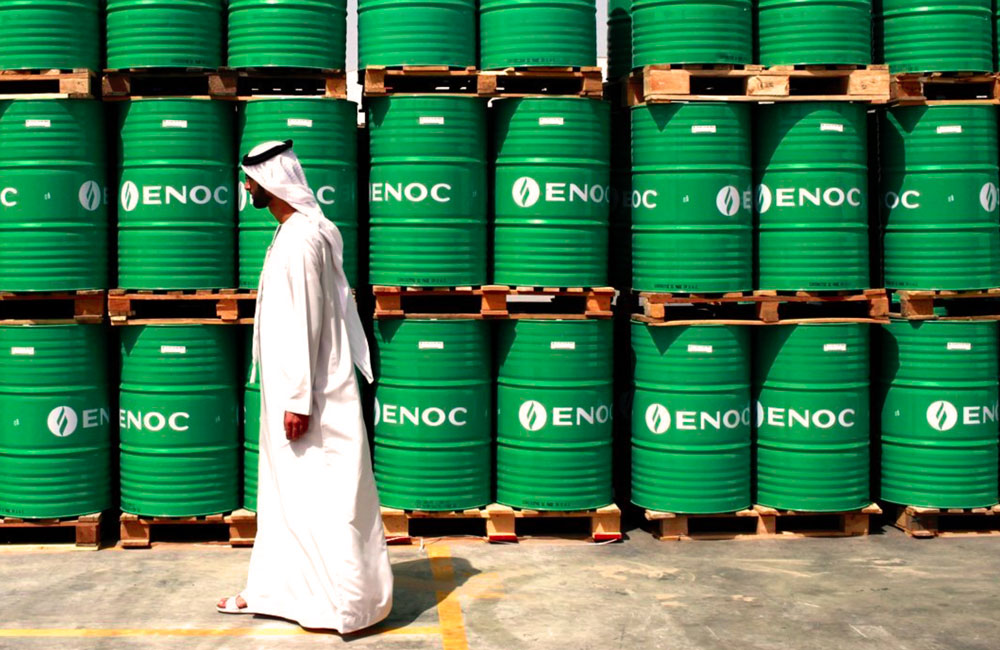
The UAE enters this period with a more diversified market profile. Abu Dhabi still has major energy exposure, but Dubai’s economy is heavily tied to tourism, real estate, logistics, aviation, and financial services. That gives the UAE both resilience and sensitivity. It can benefit from capital inflows into safe regional hubs, but it can also feel pressure if travel, shipping, or investor confidence weakens.
Qatar’s position is different. Its strength comes from liquefied natural gas, long-term energy contracts, and its role in global gas security. In a world worried about energy reliability, Qatar’s LNG strategy remains highly relevant, especially for Europe and Asia. While oil headlines dominate the shock, gas security remains one of the deeper structural themes underneath it.
For North America and Europe, the Gulf’s role is no longer just about crude supply. It is about inflation, shipping, LNG security, sovereign investment flows, and the global cost of capital. For Saudi Arabia and the UAE, this creates both leverage and responsibility.
The Inflation Channel Matters
A fresh energy shock matters far beyond the Gulf because oil and fuel prices feed directly into inflation expectations. If crude stays elevated, central banks in North America and Europe may find it harder to cut rates aggressively. That would affect equity valuations, mortgage markets, credit conditions, and consumer spending.
For Gulf economies, higher oil revenue can soften the blow. But the region is not immune to global financial conditions. Many Gulf currencies are linked to the U.S. dollar, which means Federal Reserve policy still matters. If inflation keeps U.S. rates higher for longer, Gulf borrowing costs can remain elevated too.
That is where the energy shock becomes a two-way street. Higher oil can improve state revenue, but higher rates can increase funding costs for companies, developers, and consumers. The result is not a simple boom cycle. It is a more complex macro trade-off.
Vision 2030 Meets Market Reality
Saudi Arabia’s long-term transformation remains the biggest economic story in the Gulf. Vision 2030 is designed to reduce dependence on oil by expanding tourism, entertainment, logistics, manufacturing, mining, finance, and technology. But ironically, oil revenue still helps fund the transition away from oil.
That makes the current shock important. Stronger energy revenue can support continued investment, but volatility can also force more disciplined capital allocation. Investors will increasingly focus on which projects generate real returns, attract private capital, and support long-term productivity.
This is not necessarily negative. A more disciplined environment could make Saudi Arabia’s diversification story stronger over time. The best projects will still move forward, but the market may become less forgiving toward anything that depends purely on cheap money or endless liquidity.
What Investors Should Watch Next
The next phase of the Gulf market story will depend on several key signals:
- Whether oil prices remain elevated or retreat as supply fears ease
- Whether Saudi crude pricing keeps pointing to softer Asian demand
- Whether OPEC+ continues its gradual output increases
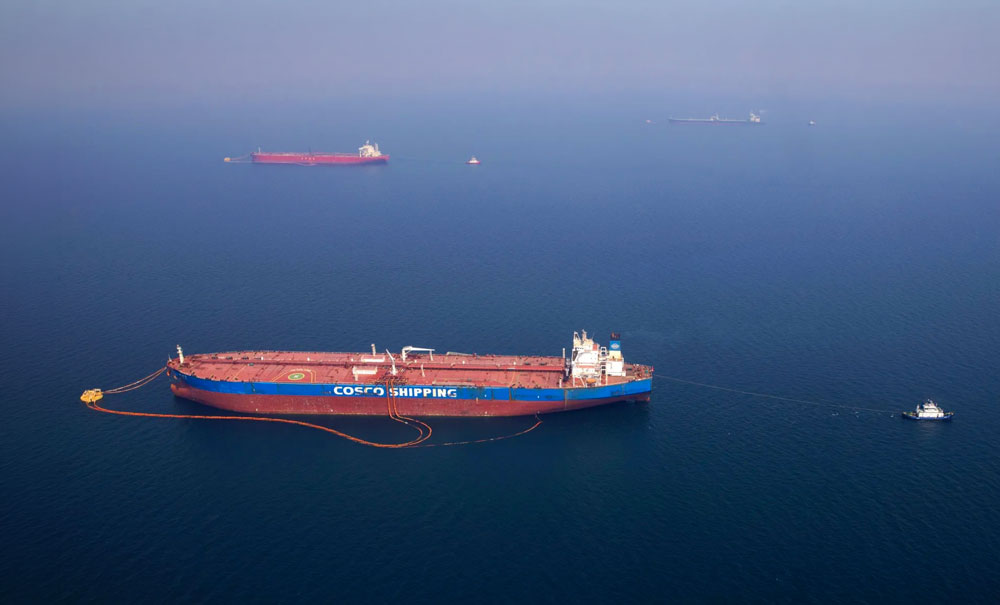
- Whether shipping and export routes remain secure
- Whether Gulf equities attract defensive inflows or foreign outflows
- Whether higher oil revenue offsets pressure from higher global rates
- Whether Saudi and UAE non-oil sectors continue to expand despite volatility
The most important signal may be demand. Supply shocks grab headlines, but demand determines whether the rally can last. If Asia weakens, high prices may become harder to sustain. If demand holds and supply risk remains, Gulf producers gain more pricing power.
Why This Shock Is Different
The new energy shock is not just about barrels. It is about confidence, routes, inflation, fiscal strategy, and diversification. Saudi Arabia and the Gulf are stronger than they were during previous oil cycles, with deeper capital markets, larger sovereign wealth funds, and broader non-oil ambitions.
But the region is also more exposed to global investor expectations. Gulf markets now compete for international capital against U.S. equities, European bonds, Asian growth stories, and private-market opportunities. That means investors are not only asking whether oil is high. They are asking whether the Gulf can turn energy strength into durable economic performance. That is the real test.
MarketMind Insight – Energy Strength Is No Longer Enough
Saudi Arabia and the Gulf may benefit from higher oil prices, but the new energy shock rewards strategy more than scarcity. The winners will be markets and companies that can convert energy revenue into diversified growth, stable capital flows, and credible long-term returns. Oil still moves the region — but discipline now decides who keeps the gains.