
June begins with a different tone across global markets. The AI trade is still alive, earnings momentum remains strong, and technology continues to dominate the growth story, but traders are no longer treating every dip as an automatic buying opportunity. After months of powerful gains across semiconductors, cloud infrastructure, data-center suppliers, and mega-cap tech, the market mood has shifted from pure enthusiasm to tighter risk control.
This is not a full retreat from technology. It is a reset. The strongest names still command attention, but traders are becoming more selective, more valuation-aware, and more sensitive to interest-rate expectations. In a market where optimism has been concentrated in a narrow group of AI-linked stocks, June is shaping up as a test of discipline rather than conviction alone.
The AI Trade Meets Its First Real June Check
Technology has carried much of the market’s confidence into midyear. AI infrastructure spending, semiconductor demand, and cloud expansion remain central to the bullish case. The idea is simple: if companies keep spending aggressively on computing power, chips, data centers, and AI software, then the earnings cycle can stay stronger for longer.
But the problem is not whether AI matters. The problem is price.
After a major run, traders are asking whether valuations already reflect years of future growth. That does not mean the AI trade is broken. It means the easy phase may be over. The market is moving from “buy anything attached to AI” toward “prove the revenue, defend the margins, and justify the multiple.”
That shift matters for traders in Saudi Arabia, the UAE, North America, and Europe because AI has become a global liquidity theme. U.S. mega-cap tech drives index performance, Asian chipmakers influence supply-chain sentiment, European semiconductor equipment firms reflect capital-spending expectations, and Gulf investors are increasingly exposed to both public-market AI winners and private infrastructure ambitions.
Rates Are Back in the Driver’s Seat
The June reset is not just about technology. It is also about the Federal Reserve.
Stronger U.S. economic data has complicated the rate-cut story. Markets entered the year hoping that lower rates would extend risk appetite, support equity valuations, and relieve pressure on long-duration growth stocks. But if inflation stays sticky and employment remains resilient, the Fed has less reason to rush into easier policy.
That is especially important for tech. High-growth companies tend to benefit when rates fall because future earnings become more attractive in today’s terms. When rates stay higher for longer, valuation discipline returns quickly. The market does not need a dramatic rate shock to change behavior; sometimes it only takes a shift in expectations.
For traders, this means June is less about chasing headlines and more about watching the bond market, inflation data, oil prices, and Fed communication. The AI story may still dominate the front page, but rates are quietly holding the steering wheel.
From Momentum to Risk Management
The clearest change in June is trader behavior. Momentum remains powerful, but risk controls are tightening.
That can show up in several ways:
- Smaller position sizes in crowded tech names
- More attention to stop-loss levels and downside gaps
- Rotation into quality earnings rather than speculative growth
- Greater use of cash as a tactical position
- More focus on index breadth instead of headline index levels
This is the difference between a bull market that is expanding and one that is leaning heavily on a few dominant stocks. When gains are concentrated, the market can still rise, but it becomes more fragile. If the leaders stumble, the broader index has less support underneath.
That is why June may reward traders who are flexible rather than stubborn. The goal is not to abandon growth. The goal is to separate durable leadership from crowded enthusiasm. In market terms, that is the difference between owning the trend and being owned by it.
Energy, Inflation, and the Gulf Market Connection

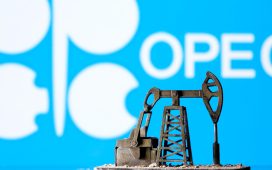
The June setup also carries a strong energy-market dimension. Any renewed pressure in oil can quickly affect inflation expectations, central-bank policy, and regional equity sentiment. For Saudi Arabia and the UAE, this creates a more complex picture.
Higher oil prices can support fiscal confidence, liquidity, and certain regional market sectors. But globally, higher energy costs can also delay rate cuts, squeeze consumers, and pressure risk assets. Gulf traders therefore face a two-sided market: local macro support may improve while global equity valuations become more sensitive to inflation.
This makes cross-market awareness essential. A trader watching Saudi or UAE equities cannot ignore U.S. rates, Nasdaq volatility, Brent crude, or dollar strength. In 2026, the local and global market stories are more connected than ever.
North America and Europe: Same Reset, Different Pressure Points
In North America, the focus is on whether earnings can keep validating stretched valuations. The U.S. market still has the deepest AI exposure, the strongest mega-cap leadership, and the most direct sensitivity to Fed expectations. June will likely test whether investors are willing to keep paying premium multiples while rate-cut timing becomes less certain.
In Europe, the pressure is different. European markets are more exposed to industrials, luxury, financials, and semiconductor equipment than to the full mega-cap AI ecosystem. That gives Europe some diversification, but it also means select technology and manufacturing names can still feel the impact when global AI enthusiasm cools.
For both regions, the message is similar: broad index strength matters less than the quality of the underlying participation. A market led by many sectors is healthier than one balanced on a handful of expensive winners.
What Traders Should Watch in June
June’s market direction will likely depend on a few key signals.
- Inflation data. Any sign that inflation is reaccelerating could pressure rate-sensitive growth stocks and strengthen the case for tighter risk management.
- Tech earnings guidance. Investors are no longer satisfied with vague AI optimism. They want spending visibility, margin strength, and evidence that AI demand is converting into real revenue.
- Market breadth. If more sectors participate, the rally becomes healthier. If leadership narrows further, volatility risk increases.
- Oil and geopolitical risk. Energy shocks can move inflation expectations quickly, especially when traders are already nervous about central-bank timing.
- The U.S. dollar. Dollar strength can pressure commodities, emerging markets, and multinational earnings, while also influencing capital flows across the Gulf, Europe, and Asia.
The Trading Mood: Bullish, But Less Careless
The June reset does not automatically mean bearishness. It means traders are shifting from euphoria to selectivity. That is often a healthier phase for markets, even if it feels less exciting.
Strong companies can still outperform. AI infrastructure can still drive earnings. Semiconductors can still benefit from demand scarcity. But the market is no longer handing out free passes. If valuations are high, execution has to be higher.
For traders, that creates a cleaner playbook: stay exposed to leadership, but do not ignore risk. Respect momentum, but avoid overcrowded entries. Watch rates as closely as earnings. And remember that in a market built on confidence, the first job is not to be the loudest bull in the room. It is to stay solvent long enough to catch the next real move.
MarketMind Insight – Risk Control Becomes the New Edge
June is not the end of the tech trade; it is the end of lazy participation. The AI theme remains powerful, but traders are now being forced to separate long-term conviction from short-term crowding. The next advantage will belong to those who can stay engaged with growth while managing rate risk, valuation risk, and volatility with discipline.