
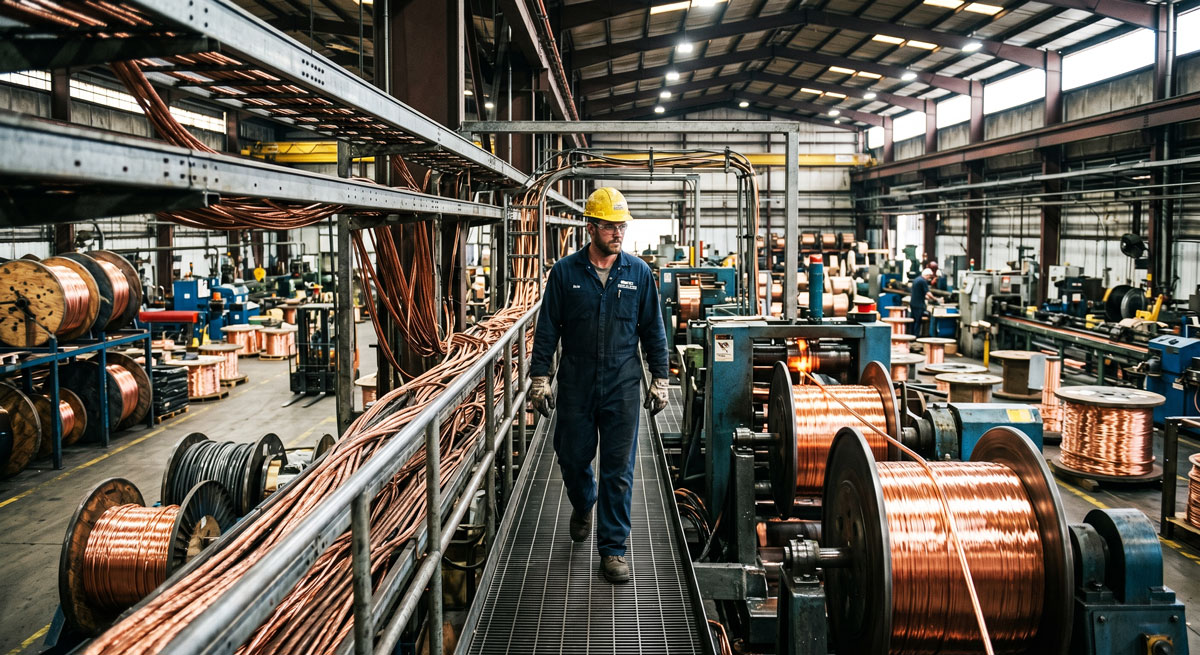
Copper is back in the market spotlight, and this time the story is bigger than another commodity rally. After years of being treated as a China-growth proxy, copper is again being priced as the wiring behind the global energy transition. Power grids, electric vehicles, data centers, renewables, defense systems, and industrial electrification all point to the same problem: the world wants more electricity, and electricity still needs copper.
The market is not moving on hype alone. Copper prices have stayed elevated in 2026, supported by tight long-term supply expectations, stronger grid investment, and a renewed focus on critical mineral security. Short-term trading remains volatile, especially around U.S. tariff risk and inventory movements, but the structural case has become harder to ignore. Copper is once again being treated less like a cyclical metal and more like strategic infrastructure.
Why Copper Matters Again
Copper sits at the center of electrification because it is difficult to replace at scale. It conducts electricity efficiently, handles heat well, and is used across transmission lines, substations, motors, charging systems, buildings, and industrial machinery. That gives it a unique role: it benefits from both old-economy construction and new-economy electrification.
The energy transition has changed the demand profile. Solar farms, wind projects, battery storage, electric vehicles, grid upgrades, and data centers all require larger, more complex electrical networks. Even where technologies compete, copper usually remains in the background. The winner may be EVs, hybrids, AI infrastructure, or grid modernization — copper gets a seat at the table either way. Convenient metal. Annoyingly important.
The Grid Is the Real Demand Story

The biggest copper story is not just electric vehicles. It is the grid.
Electricity demand is rising as governments and companies push more activity onto power networks. That includes transportation, heating, cooling, industrial processes, cloud computing, and AI data centers. The more electricity moves through the economy, the more copper-intensive the system becomes.
Grid investment has become one of the clearest drivers of copper demand. Aging transmission systems need upgrades, renewable power needs new connections, and data centers require stronger local power infrastructure. In North America and Europe, this is about modernization and reliability. In the Gulf, it is tied to rapid urban development, industrial diversification, renewable energy projects, and cooling demand. In Asia, especially China, grid spending remains a major force behind copper consumption.
Supply Is Still the Market’s Weak Point
Copper supply does not respond quickly to higher prices. New mines take years to permit, finance, build, and ramp up. Existing mines face declining ore grades, rising costs, water pressure, local opposition, and political risk. That means the copper market can look comfortable in the short term while still facing a serious long-term supply challenge.
This is why investors keep returning to copper. The market may go through periods of inventory builds, tariff distortions, and speculative pullbacks, but the longer-term supply pipeline remains difficult. Recycling helps, but it cannot fully solve the gap if electrification demand keeps expanding.
The result is a market where dips may be bought more aggressively than in past cycles. Copper is no longer judged only by today’s factory data. It is increasingly judged by tomorrow’s power requirements.
Tariffs and Stockpiles Are Distorting the Picture
The 2026 copper market is also being shaped by trade policy. U.S. tariff uncertainty has encouraged traders to move metal into American warehouses, creating distortions between U.S. and global copper pricing. That has made inventories look more complicated than usual.
A visible stock build does not automatically mean demand is weak. Some copper is being moved for policy reasons, not because end users suddenly need less of it. This matters because headline inventory numbers can mislead traders. The market is not just asking how much copper exists. It is asking where it sits, who controls it, and whether it is available to the buyers who need it.
This is where copper starts to look less like a normal commodity and more like a geopolitical asset.
The AI and Data Center Layer
AI has added another demand layer. Data centers require enormous electrical infrastructure, including transformers, switchgear, backup systems, cooling equipment, and grid connections. Copper is not the only material involved, but it is one of the most important.
This does not mean AI alone will drive copper prices. That would be too simple. But AI demand adds pressure to an already crowded field. EVs, renewables, grid upgrades, defense, manufacturing reshoring, and digital infrastructure are all pulling from the same copper supply chain.
For investors, this broad demand base is important. Copper does not need one perfect story to work. It has several.
Regional Market Impact
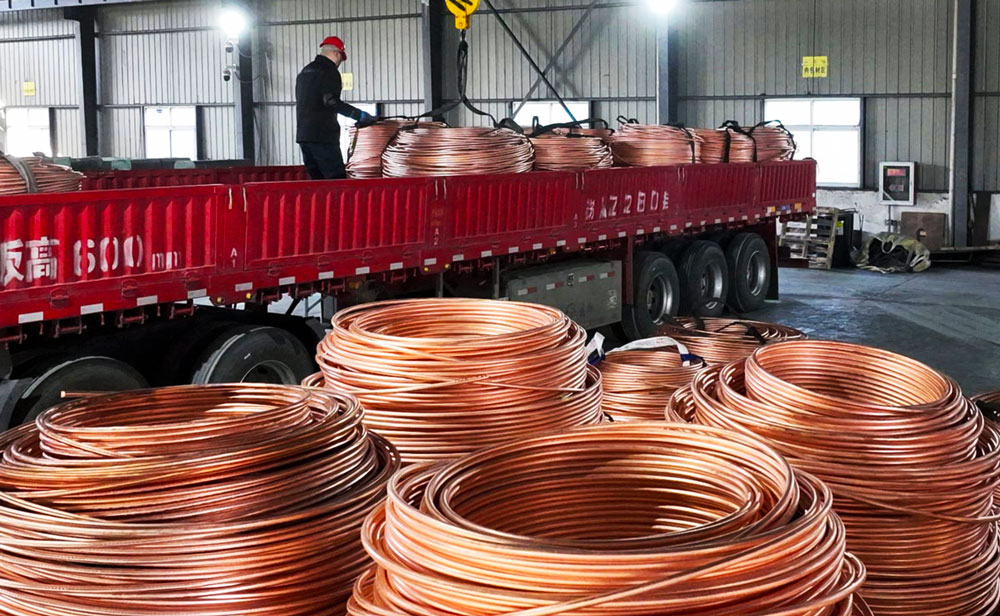
For Saudi Arabia and the UAE, copper demand connects directly to grid expansion, renewable energy projects, industrial zones, smart cities, logistics hubs, and large-scale infrastructure. As both economies push diversification, power systems become more copper-intensive.
For North America, the key themes are grid modernization, data center growth, reshoring, EV infrastructure, and trade policy. U.S. tariff decisions can move copper prices quickly, but the deeper issue is whether domestic supply and refining capacity can match strategic demand.
For Europe, copper remains tied to electrification, renewable integration, defense spending, and energy security. Europe’s challenge is not just demand; it is securing reliable supply chains without overpaying in a tighter global market.
For global investors, copper is becoming a bridge between commodities, infrastructure, energy, and technology. That makes it harder to ignore in portfolio construction.
What Traders Are Watching Now
Copper’s next move depends on several key factors:
- U.S. tariff decisions and whether they continue to distort inventory flows
- China’s grid spending, construction demand, and industrial activity
- LME, COMEX, and Shanghai warehouse movements
- Mine disruptions, permitting delays, and supply revisions
- Data center and power demand forecasts
- The strength of the U.S. dollar and global risk appetite
The bullish case is simple: demand keeps broadening while supply remains slow. The cautious case is also real: prices have already moved sharply, and high prices can trigger substitution, delayed purchases, or profit-taking. Copper may be strategic, but it is not immune to macro pressure.
Investor Outlook
Copper looks increasingly like one of the core metals of the next investment cycle. It carries exposure to electrification, infrastructure, AI, industrial policy, and critical mineral security. That gives it a stronger long-term narrative than many traditional base metals.
Still, investors should avoid chasing every spike. Copper can move violently when positioning gets crowded, especially when tariffs, inventories, or China headlines dominate the tape. The better approach is to separate the long-term structural story from short-term trading noise.
Copper’s strength is not that it moves in a straight line. It is that the world keeps finding new reasons to need it.
MarketMind Insight
Copper has reclaimed its role as the metal of electrification because the energy transition is no longer just about clean power — it is about building the electrical backbone for everything from AI to industrial growth. The market will stay volatile, but the strategic direction is clear: copper is becoming infrastructure, not just inventory.