Energy security is no longer a background issue for traders, governments, or corporate boards. It has returned to the center of market strategy because investors are once again being reminded that energy is not just a commodity story. It is a supply-chain story, a currency story, an inflation story, and a national-security story wrapped into one tradeable risk.
For much of the past decade, market attention was split between the clean-energy transition, interest rates, technology stocks, and post-pandemic inflation. Energy was important, but it often sat inside a familiar framework: oil demand, OPEC supply, LNG flows, and seasonal gas storage. That framework is now too narrow. The new energy market is being shaped by infrastructure risk, shipping corridors, sanctions, power-grid demand, and the uncomfortable reality that security of supply can move prices faster than long-term demand forecasts.
The result is a strategic reset. Investors are no longer asking only where energy prices are going next. They are asking which countries have secure supply, which companies control critical infrastructure, which regions are exposed to import shocks, and which assets can still perform when the market stops pricing energy like a normal cycle.
Energy Becomes a Risk Premium Trade Again
The clearest shift is the return of the energy risk premium. Oil and gas markets are now reacting not only to barrels produced or consumed, but to the reliability of the routes, terminals, refineries, pipelines, and storage systems that move supply into the real economy.
This is why energy security matters for broader markets. A disruption in crude supply can push transportation and manufacturing costs higher. A tight LNG market can pressure European industry. Higher diesel and jet fuel costs can feed into logistics and travel. Power shortages can slow data-center expansion, industrial production, and mining activity. Energy risk does not stay inside the energy sector for long. It leaks into everything.
That makes energy security a macro variable again. For traders, it affects inflation expectations, central-bank sensitivity, currency flows, and equity-sector rotation. For governments, it affects fiscal planning, subsidy policy, and industrial competitiveness. For companies, it affects margins, supply contracts, and capital spending.
In simple terms: cheap energy supports growth. Uncertain energy changes the math.
Oil Markets Move Between Shortage Fear and Surplus Risk
Oil remains the most visible part of the energy-security conversation. The market is dealing with a difficult split screen: near-term supply anxiety on one side, and longer-term surplus risk on the other.
Short-term disruptions can still move crude quickly because spare capacity, shipping access, and inventory levels matter more during periods of stress. When traders see risk around major export routes, they do not wait for the final data print. They price uncertainty first and ask questions later. Very Wall Street, very caffeine-fueled, occasionally correct.
At the same time, the longer-term oil outlook is not simply bullish. If disrupted supply normalizes and demand softens under high prices, the market can shift from tightness to oversupply faster than expected. That is why energy strategy is becoming more tactical. Investors are watching not just the direction of oil prices, but the speed of supply restoration, the behavior of strategic reserves, refinery utilization, and whether demand destruction becomes visible in transport, petrochemicals, and aviation.
This makes the oil trade less about one headline and more about balance-sheet resilience. Producers with low costs, strong export access, and disciplined capital spending remain better positioned than highly leveraged names that depend on permanently high prices.
Natural Gas and LNG Stay at the Core of European Strategy
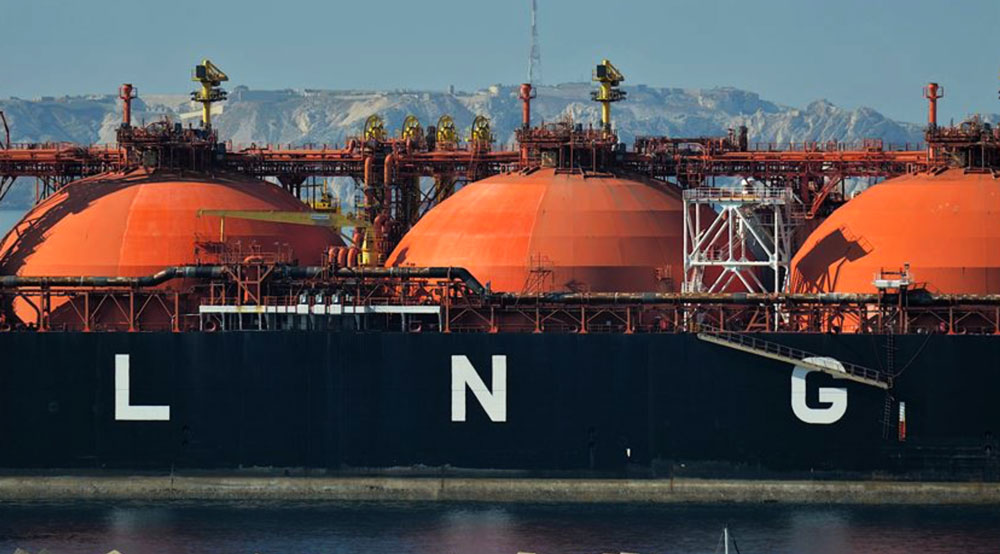
Europe remains one of the clearest examples of why energy security has become a market issue again. The continent has reduced its exposure to Russian pipeline gas, but that does not mean the risk disappeared. It changed form.
Europe is now more dependent on LNG, storage discipline, pipeline diversification, and global cargo competition. That creates a new vulnerability: Europe can be secure on paper and still exposed to price spikes if Asia competes aggressively for LNG, winter weather turns colder, or supply from key exporters tightens.
For investors, this keeps European gas prices, utility margins, industrial output, and power-market policy firmly connected. Energy-intensive sectors such as chemicals, metals, glass, fertilizers, and heavy manufacturing remain sensitive to gas volatility. When energy security improves, European industrial sentiment can recover. When LNG competition tightens, margin pressure returns quickly.
This is also why storage levels matter so much. Gas storage is not glamorous, but neither is a seatbelt until you need it. Markets now treat storage as a strategic asset, not just a seasonal statistic.
The Gulf’s Strategic Importance Increases
For Saudi Arabia, the UAE, Qatar, and the wider Gulf, the return of energy security reinforces the region’s central role in global markets. The Gulf is no longer viewed only through the lens of crude exports. It is increasingly seen as a strategic energy platform that includes oil, LNG, petrochemicals, refining, hydrogen, renewables, logistics, and long-term infrastructure finance.
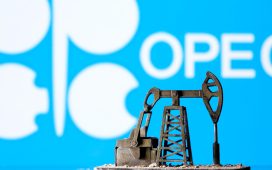
Saudi Arabia remains central to oil-market stability through production capacity, export reliability, and its broader role in OPEC+ coordination. The UAE continues to build influence through upstream investment, trading infrastructure, refining capacity, and clean-energy positioning. Qatar’s role in LNG remains critical as buyers in Europe and Asia compete for long-term supply security.
This matters for capital flows. Gulf energy companies, sovereign funds, and infrastructure platforms are likely to remain attractive to investors looking for exposure to both hydrocarbons and transition-linked energy assets. The region’s advantage is not just resource depth. It is the ability to plan energy strategy over decades while many Western markets are still arguing over next quarter’s bill.
North America Benefits From Supply Depth
North America enters this energy-security cycle from a position of relative strength. The United States and Canada have domestic oil and gas resources, deep capital markets, export infrastructure, and growing LNG capacity. That does not make the region immune to price volatility, but it gives it strategic flexibility that many import-dependent economies do not have.
For the United States, energy security is tied to shale production, LNG exports, refining capacity, grid reliability, and the rapid growth of power demand from data centers and electrification. The next energy-security debate in North America may be less about whether there is enough oil and gas underground, and more about whether infrastructure can keep up with demand.
Canada also has a stronger strategic position than markets often credit. Its oil sands, natural gas, hydro resources, uranium exposure, and critical minerals create a broad energy-security base. The challenge is not resource availability. The challenge is permitting, export routes, investment confidence, and getting projects built before opportunity politely walks across the border.
Power Demand Becomes the New Security Test
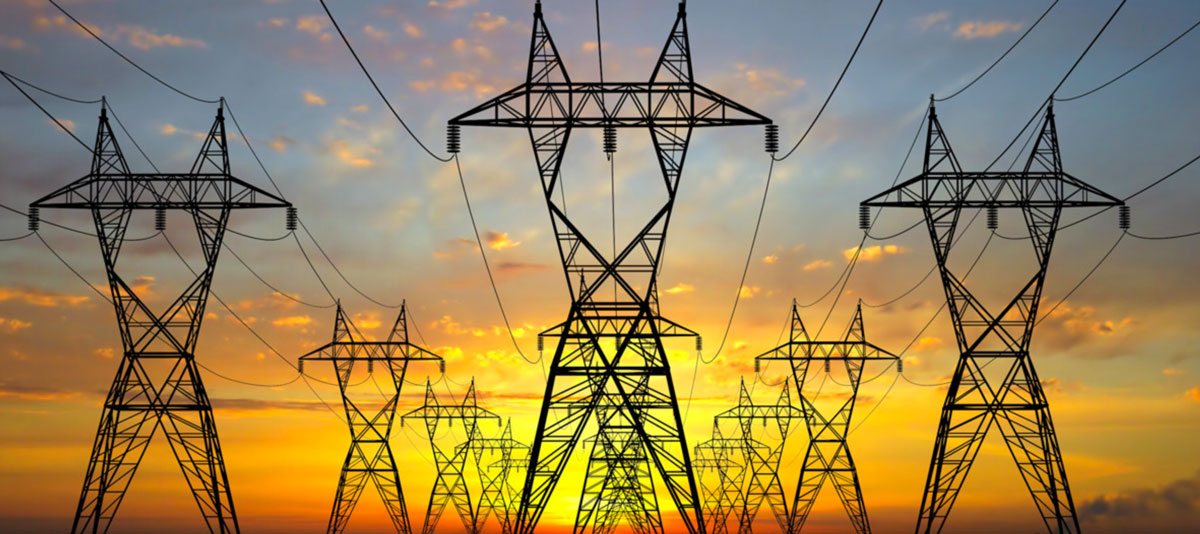
Energy security is no longer only about oil barrels and gas cargoes. Electricity is becoming the next major pressure point.
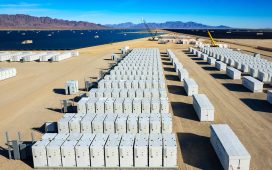
Data centers, artificial intelligence, electric vehicles, industrial reshoring, cooling demand, and electrification are all raising the strategic value of reliable power. This shifts attention toward grids, transformers, natural gas-fired generation, nuclear power, renewables, battery storage, and transmission buildout.
For markets, this creates a new investment map. Utilities, grid-equipment suppliers, uranium producers, gas infrastructure firms, power developers, and battery-storage companies are moving closer to the center of energy strategy. The trade is not simply “oil versus renewables” anymore. That framing is outdated. The real question is which energy systems can deliver reliable, affordable power at scale.
The answer will likely be mixed. Oil remains essential for transport and industry. Gas remains a key balancing fuel. Nuclear is gaining strategic attention. Renewables continue expanding, but require grid and storage investment. Batteries improve flexibility, but cannot solve every seasonal or industrial demand problem alone.
The market is learning that energy transition without energy security is not a strategy. It is a PowerPoint with a blackout risk.
Inflation Risk Keeps Energy in the Macro Spotlight
Energy security matters because energy prices can quickly reopen the inflation debate. Even if core inflation cools, a sharp rise in fuel, electricity, or gas prices can pressure households, businesses, and policymakers.
Central banks do not control oil fields, LNG terminals, or shipping routes. That is the problem. If energy prices rise because of supply stress, monetary policy becomes more complicated. Higher rates can slow demand, but they cannot produce more diesel, refill storage faster, or build transmission lines overnight.
This is why markets are watching energy as a policy constraint. If energy shocks return, central banks may be forced to balance weaker growth against renewed inflation pressure. That environment usually rewards companies with pricing power, strong balance sheets, and direct exposure to essential supply chains.
How Traders Are Repositioning

The energy-security trade is becoming broader than simply buying oil majors. Investors are looking across several layers of exposure:
- Energy producers with low-cost reserves and strong cash flow
- LNG exporters, pipeline operators, and storage infrastructure
- Refiners and fuel distributors with strategic regional advantages
- Uranium and nuclear-linked companies tied to baseload power demand
- Grid, transformer, and transmission equipment suppliers
- Selective renewables and battery-storage firms with contracted revenue
- Critical-minerals producers tied to electrification and defense supply chains
The key is selectivity. Not every energy stock benefits equally from energy-security concerns. High-cost producers can struggle if prices reverse. Renewable developers can face margin pressure from rates and permitting delays. Utilities can be attractive, but only where regulation supports investment returns. Infrastructure may offer steadier exposure than pure commodity producers, especially when volatility rises.
This is a market where quality matters. Balance sheets, contracts, jurisdiction, and access to capital are no longer boring details. They are the trade.
What to Watch Next
The next phase of the energy-security cycle will depend on several signals. Oil inventory levels will show whether supply risk is easing or tightening. LNG pricing will reveal whether Europe and Asia are competing for limited cargoes. Gas storage levels will show whether winter readiness is improving. Refinery margins will indicate whether fuel supply is more stressed than crude supply. Power-market data will show how quickly electricity demand is outpacing grid investment.
Investors should also watch government policy. Strategic reserves, energy subsidies, export controls, permitting reform, nuclear support, LNG approvals, and grid investment can all shift market direction. Energy policy has become market policy.
That is the central lesson. Energy security is not a side issue anymore. It is part of the foundation underneath inflation, growth, industrial strategy, and geopolitical positioning.
MarketMind Insight
Energy security is back because markets have rediscovered a basic truth: supply reliability has value. The strongest opportunities are likely to sit where commodity exposure, infrastructure control, and long-term demand meet. Oil, gas, LNG, nuclear, grids, and storage are no longer separate stories. They are becoming one strategic trade built around resilience.