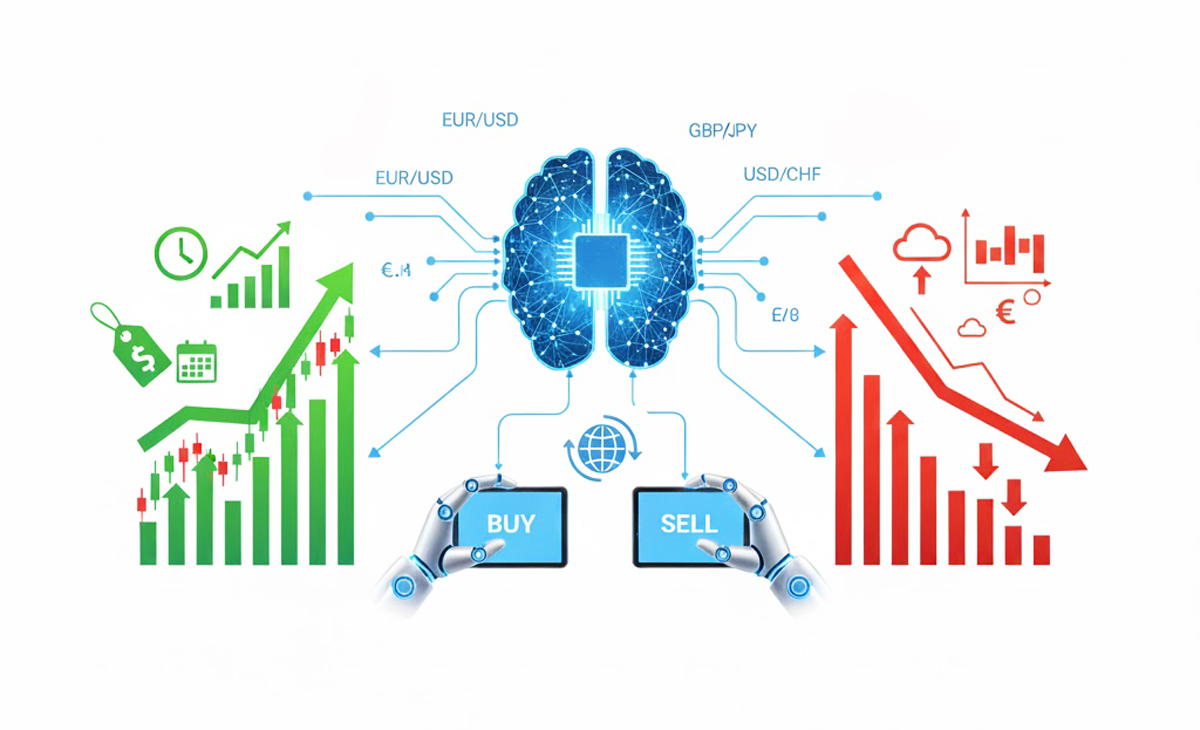
Algorithmic trading, or “algo trading,” has reshaped the financial landscape by replacing emotional decision-making with data-driven precision. In Forex, where milliseconds can determine profit or loss, algorithms bring consistency, speed, and efficiency unmatched by manual traders.
What Is Algorithmic Trading?
At its core, algorithmic trading uses computer programs to execute trades automatically based on pre-set rules. These rules often consider variables such as price, timing, volume, or market conditions. Once programmed, the system can enter and exit positions without human intervention, minimizing emotion and maximizing speed.
Common algorithm types include:
- Trend-Following Algorithms: Identify and trade in the direction of prevailing market trends.
- Arbitrage Algorithms: Exploit small price differences across brokers or currency pairs.
- Mean Reversion Strategies: Assume prices will revert to their average over time.
- Scalping Bots: Execute rapid, small trades to capture tiny profit margins.
Why Traders Are Embracing Algo Trading
Algorithmic systems allow traders to maintain control through backtesting and optimization while removing the emotional pitfalls of overtrading or hesitation. They also handle complex data analysis far faster than humans can.
Key advantages include:
- Speed and Accuracy: Instant execution based on precise parameters.
- Emotion-Free Trading: Eliminates psychological bias from trading decisions.
- 24/7 Monitoring: Operates across global Forex sessions without fatigue.
- Backtesting and Optimization: Allows refinement using historical data before live deployment.
Risks and Limitations
Despite its efficiency, algo trading is not without challenges. Poorly coded algorithms, inaccurate data, or market anomalies can lead to unexpected losses. Technical issues—like latency, connectivity errors, or broker execution delays—can also distort outcomes.
Moreover, over-optimization (curve-fitting to past data) can create algorithms that perform well historically but fail in live markets. Thus, continuous monitoring and risk management remain essential.
The Human Element in a Digital Market
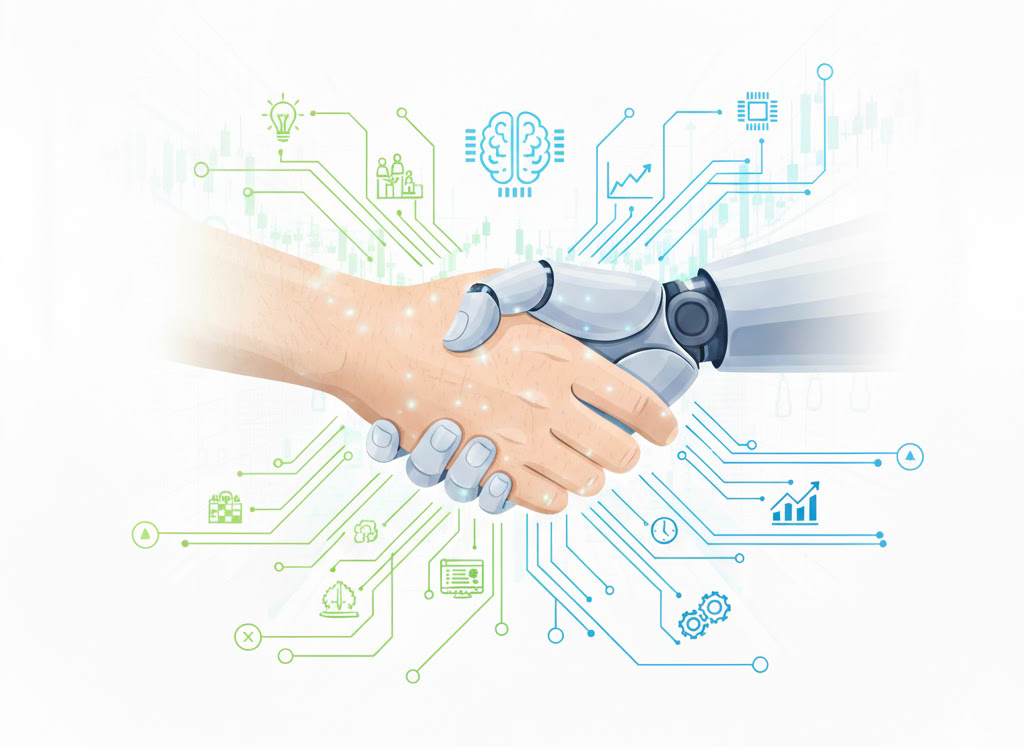
Even in a world dominated by automation, human oversight remains vital. Successful traders use algorithms as tools—extensions of strategic insight rather than replacements. Understanding how and when to deploy these systems separates professionals from hobbyists.
The Takeaway
Algorithmic trading represents the evolution of Forex strategy: combining human intelligence with machine precision. It offers immense potential for disciplined traders but demands knowledge, testing, and responsible management to avoid pitfalls.
MarketMind Insight – The future of trading lies not in choosing between humans or machines, but in mastering the synergy between them.