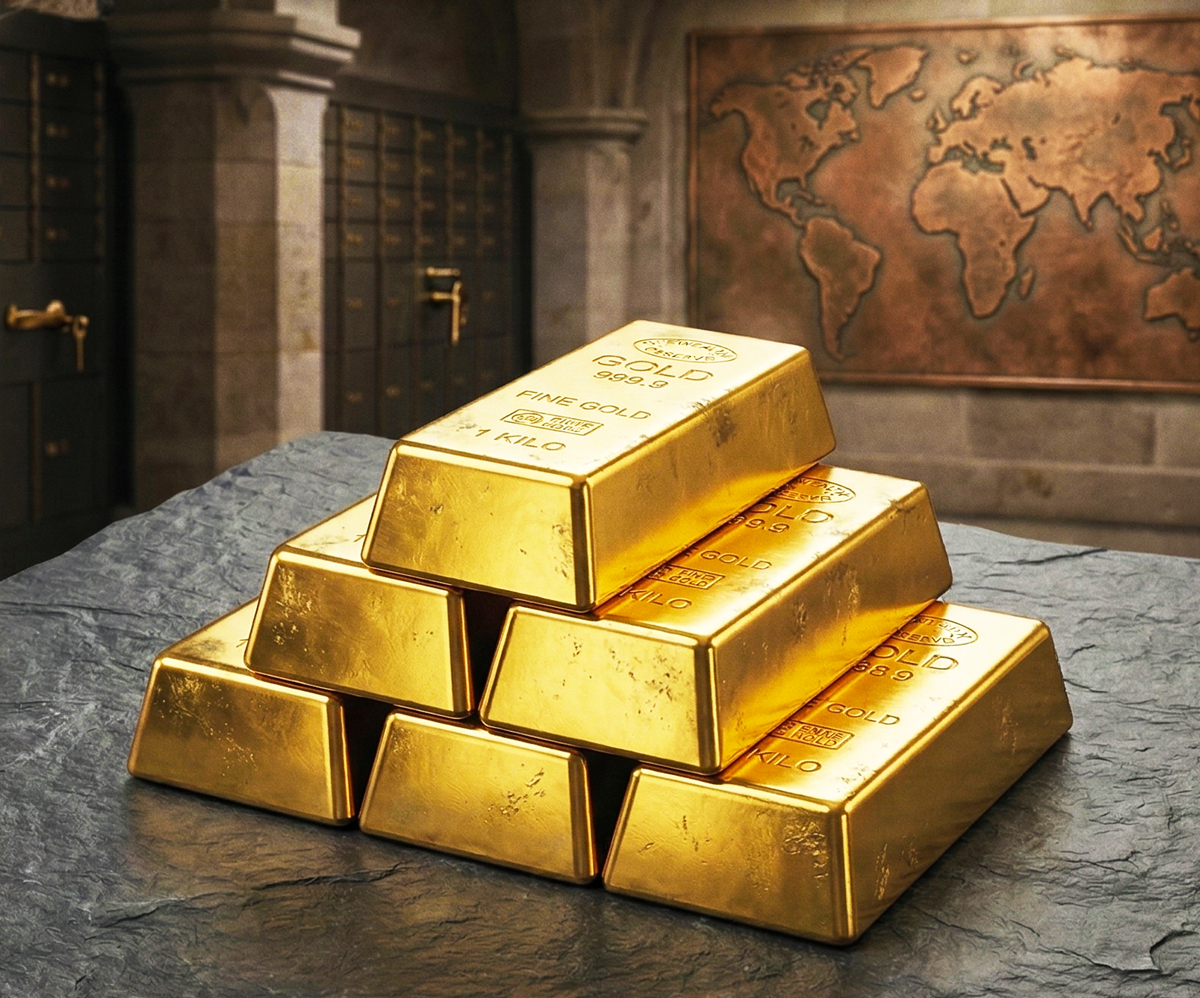
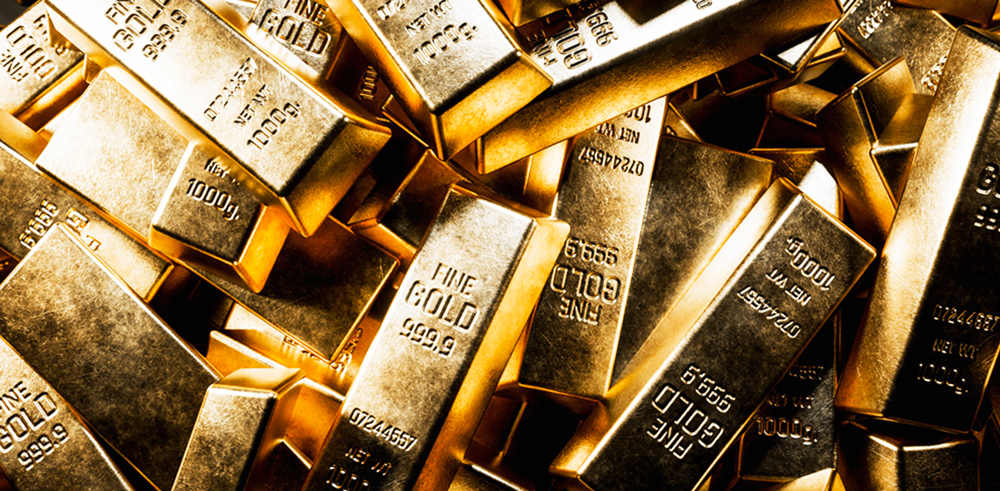
Global markets have once again turned their attention to one of the oldest financial refuges: gold. As geopolitical tensions intensify across the Middle East in early March 2026, investors worldwide are reallocating capital toward defensive assets. The renewed demand has triggered a strong rally in bullion prices and reinforced gold’s enduring role as a hedge against geopolitical risk.
Recent military developments and rising uncertainty surrounding regional energy routes have shaken global financial markets, prompting investors to move capital away from equities and toward assets perceived as stable stores of value. In this environment, gold has reclaimed center stage in global portfolios.
Geopolitical Risk and the Return of the Safe Haven Trade
Escalating tensions involving major regional and global powers have heightened fears of a broader regional crisis, pushing investors toward gold as a defensive asset. The precious metal historically performs well during periods of geopolitical stress because it is not tied to the credit risk of governments or corporations.
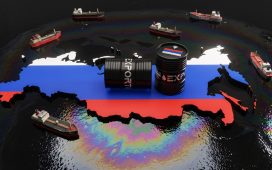
Security concerns surrounding the Strait of Hormuz — one of the world’s most critical energy chokepoints — have intensified worries about global energy supplies and inflation. Roughly one-fifth of the world’s seaborne oil shipments normally pass through this corridor, meaning any disruption can ripple quickly through financial markets.
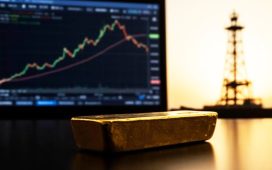
As tensions rose, gold prices moved sharply higher during early March trading sessions, pushing bullion toward fresh highs for the year and reinforcing its role as a defensive allocation during periods of geopolitical uncertainty.
Market Reaction Across Asset Classes
The rise in gold has coincided with volatility across multiple global markets:
- Global equities experienced declines as investors reassessed risk exposure.
- Energy prices surged amid fears of supply disruptions.
- Currency markets saw increased volatility as capital flowed toward traditional safe-haven assets.
- Gold exchange-traded funds recorded renewed inflows as investors sought defensive exposure.
Financial markets tend to react quickly to geopolitical developments, and gold often becomes the immediate beneficiary of shifts in investor sentiment during periods of crisis.
Why Gold Responds So Strongly to Crisis
Gold’s resilience during periods of instability stems from several structural characteristics:
- It carries no default risk and is not tied to any single government or currency.
- It historically preserves purchasing power during inflationary shocks.
- It serves as a diversification tool during periods of equity and currency volatility.
When geopolitical uncertainty rises, investors often reduce exposure to risk assets and increase allocations to commodities and precious metals. This behavior amplifies demand for gold and drives rapid price movements during periods of crisis.
Oil, Inflation, and the Feedback Loop
Another factor supporting gold prices is the surge in oil prices tied to Middle East tensions. Any disruption to shipping routes or tanker movements in the region can raise transportation costs and threaten energy supply chains.
Higher energy prices feed directly into global inflation expectations. When inflation risks rise, gold often benefits because it is widely used as a hedge against currency devaluation and purchasing-power erosion.
This dynamic creates a feedback loop:
- A regional crisis pushes energy prices higher.
- Inflation expectations increase.
- Investors hedge through gold.
- Gold prices climb further.
Central Banks and Structural Demand
Beyond geopolitical fear, structural demand for gold has also been building in recent years. Central banks across emerging markets have steadily increased gold reserves as part of broader diversification strategies away from traditional reserve currencies.

This trend has created a strong underlying demand base, meaning geopolitical shocks now tend to amplify existing bullish momentum rather than initiate it. With global debt levels elevated and geopolitical fragmentation increasing, gold has regained prominence not only as a crisis hedge but also as a long-term portfolio anchor.
The Outlook for Gold in 2026
Despite strong gains, analysts expect continued volatility in the precious metals market. Gold prices often move in sharp cycles during geopolitical crises, rising quickly during periods of fear and consolidating when tensions temporarily ease.
Key factors that will influence the next phase of the rally include:
- The trajectory of Middle East tensions
- Oil price stability and global inflation expectations
- U.S. interest rate policy and the strength of the dollar
- Continued central bank demand for gold reserves
If geopolitical tensions persist and energy markets remain unstable, gold may continue to attract capital as investors search for stability in an increasingly fragmented global economy.
MarketMind Insight
Gold’s resurgence in 2026 highlights a fundamental truth about global markets: when uncertainty rises, trust flows toward assets with centuries of credibility. While digital assets, equities, and currencies all play critical roles in modern portfolios, geopolitical crises often remind investors that gold remains the ultimate financial insurance policy.