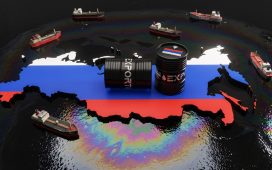
Energy markets moved sharply higher as escalating tensions across the Middle East disrupted investor confidence and raised concerns about potential supply risks in one of the world’s most important oil-producing regions. Crude prices surged past $100 per barrel, while equity markets across Asia slipped as investors rotated toward safer assets and reassessed global growth expectations.
The reaction highlights how quickly geopolitical developments can reverberate through financial markets—especially when they involve a region responsible for a significant share of global energy production and shipping routes.
Oil Prices Climb Above $100 on Supply Risk Concerns
Oil markets reacted immediately as traders weighed the possibility that regional instability could affect production, transportation routes, or infrastructure. Even without confirmed supply disruptions, the mere risk of interruption tends to trigger sharp moves in energy markets.
With crude now trading above the $100 mark (its highest level since 2022) the rally reflects a sharp geopolitical risk premium returning to energy markets.
Key drivers behind the surge include:
• Supply anxiety: The Middle East accounts for roughly one-third of global oil exports, making the region extremely sensitive for energy markets.
• Shipping route risk: Strategic waterways such as the Strait of Hormuz handle a large portion of global crude shipments. Any perceived threat to these routes can rapidly push prices higher.
• Speculative positioning: Hedge funds and commodity traders often increase bullish bets during geopolitical uncertainty, amplifying price moves.
• Strategic stockpile concerns: Countries reliant on imported energy may increase reserves, further tightening supply expectations.
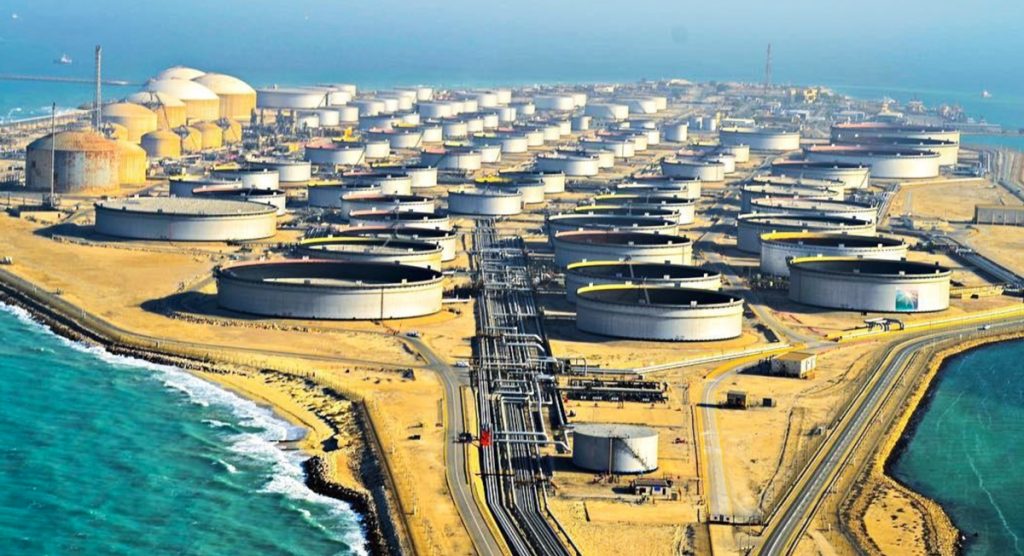
The return of triple-digit oil prices immediately revived memories of previous energy shocks and raised concerns about the economic impact of sustained higher fuel costs.
Asian Equity Markets Turn Lower
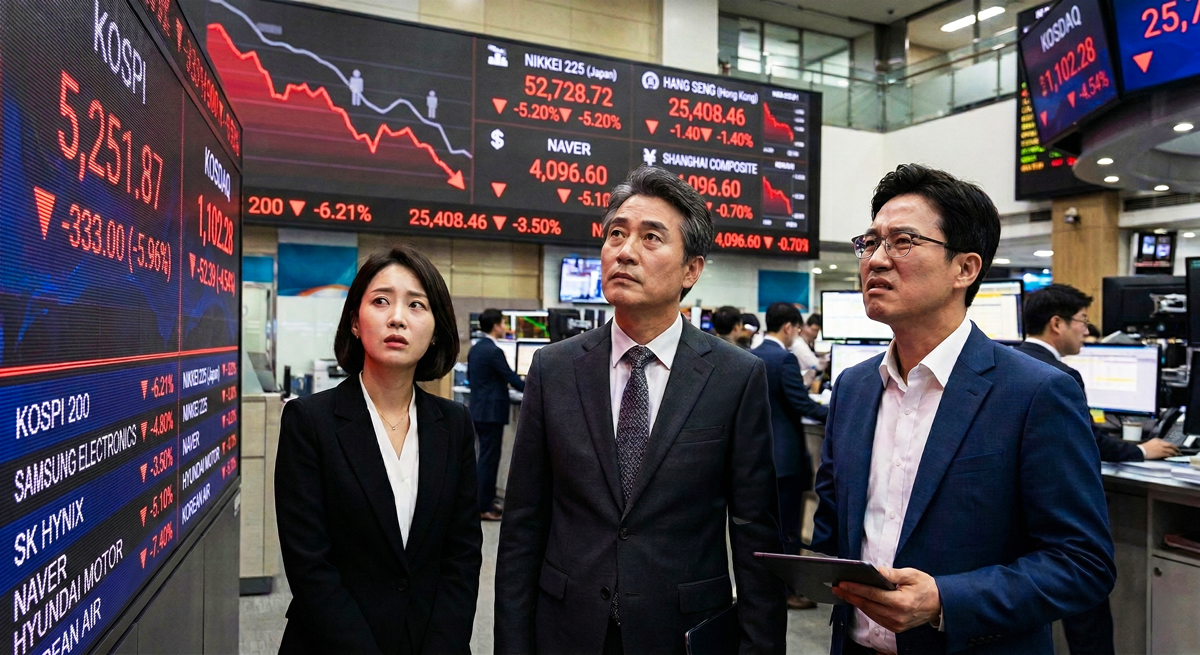
While oil prices climbed, equity markets across Asia moved in the opposite direction. Investors often respond to geopolitical uncertainty by reducing exposure to risk assets, particularly in export-heavy economies sensitive to energy costs.
Several factors contributed to the regional pullback:
• Higher energy costs: Rising oil prices increase input costs for manufacturers and transportation sectors.
• Growth concerns: Elevated fuel prices can slow consumer spending and industrial output.
• Risk-off sentiment: Investors often shift capital toward safer assets such as government bonds, gold, or the U.S. dollar during periods of market stress.
• Technology sector pressure: Asian markets with heavy tech exposure tend to be especially sensitive to global macro uncertainty.
Major indexes across Japan, South Korea, and Hong Kong registered declines as markets absorbed the potential economic implications of higher energy prices.
Inflation Pressures Re-Enter the Conversation
The surge in oil prices has also revived concerns about global inflation. Energy remains a key input across nearly every sector of the economy, meaning sustained increases in crude prices can quickly filter into transportation, manufacturing, and consumer goods.
If oil remains above $100, it could complicate central bank strategies aimed at stabilizing inflation while supporting economic growth. Higher fuel costs can quickly feed into broader price pressures, influencing monetary policy expectations.
Safe-Haven Assets See Renewed Interest
As risk sentiment weakened, traditional safe-haven assets began attracting attention. Gold prices strengthened alongside oil, reflecting the typical investor shift toward assets perceived as stable during periods of uncertainty.
Currency markets also reacted, with traders favoring defensive currencies and reducing exposure to risk-sensitive markets tied closely to global trade and commodity demand. These shifts illustrate the interconnected nature of modern financial markets, where geopolitical developments can trigger simultaneous movements across commodities, equities, and currencies.
Market Volatility Likely to Persist
The sharp move above $100 underscores how sensitive energy markets remain to developments in major oil-producing regions. If tensions remain elevated, volatility across commodities and global equities could persist.

Investors will closely monitor several key indicators in the coming days:
• Energy supply updates from major producers
• Shipping activity through key Middle Eastern waterways
• Central bank responses to renewed inflation pressures
• Capital flows toward safe-haven assets
Energy markets in particular will remain highly reactive, as even small shifts in supply expectations can drive significant price movements.
MarketMind Insight
When oil moves above the $100 threshold—especially to levels not seen since 2022—it signals more than just a commodity rally. It becomes a macroeconomic catalyst capable of influencing inflation expectations, equity markets, and central-bank policy simultaneously. For investors navigating global markets, energy prices remain one of the clearest early indicators of geopolitical risk filtering into the financial system.