Asia’s oil dependence has moved from a structural issue to an active market crisis driver. Events in late February and March 2026 have sharply exposed how tightly the region’s economic stability is tied to global oil flows—especially from the Middle East.
The Structural Reality
Despite years of diversification efforts, Asia remains overwhelmingly reliant on imported crude:
- China, India, Japan, and South Korea still dominate global seaborne oil demand
- Southeast Asia is increasingly import-dependent as domestic production declines
- The region collectively consumes a disproportionate share of globally traded oil
Even in 2026, there has been no meaningful reduction in structural import dependence—only attempts to manage its risks.
A Real-Time Stress Test
The latest geopolitical escalation in the Middle East has turned theory into reality.
- Military tensions involving Iran in late February triggered significant supply disruptions
- Oil prices briefly surged toward $120 per barrel, before stabilizing near the low $90s
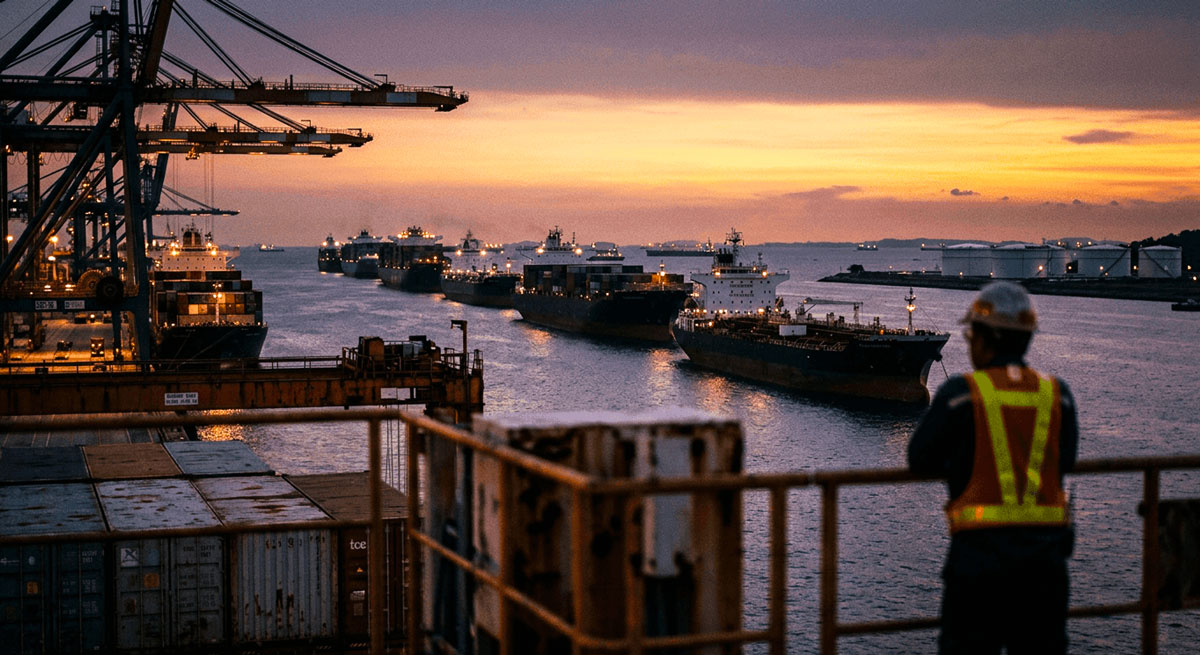
- Tanker traffic through the Strait of Hormuz was disrupted, shaking global supply chains
This is not a mild fluctuation—it is one of the most significant energy shocks in recent years, and Asia is at the center of its impact.
The Chokepoint Problem: Hormuz Dominance
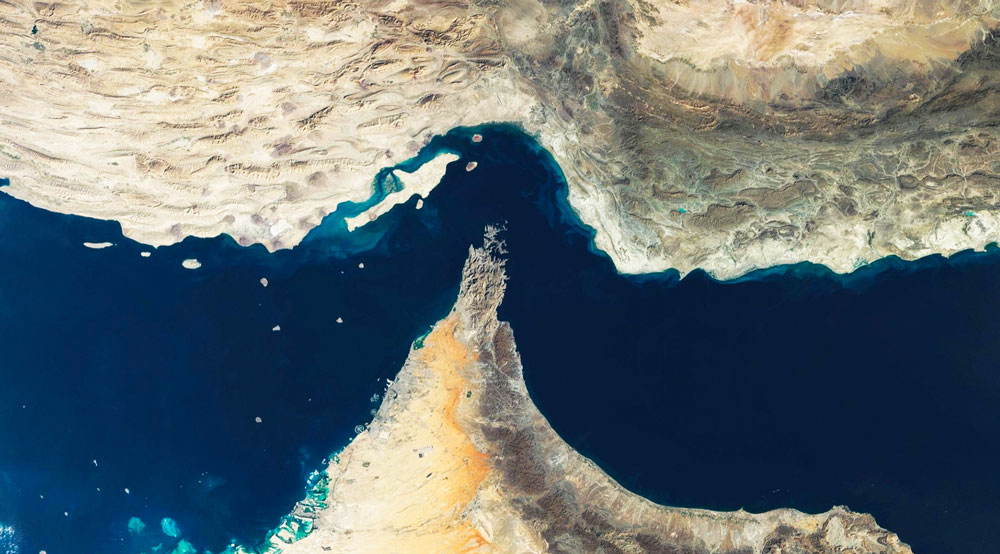
Asia’s dependence is not just about imports—it is about where those imports come from.
- Roughly 20% of global oil supply flows through the Strait of Hormuz
- Around 80% of that flow is destined for Asian markets
- East Asia alone accounts for a major share of this dependency
This creates a concentrated vulnerability:
one waterway = one systemic risk event for the entire region.
Markets Step In
The severity of the disruption forced a coordinated global response:
- The International Energy Agency approved a ~400 million barrel emergency release from reserves
- This marks one of the largest coordinated interventions in oil market history
- Asian economies are among the primary beneficiaries of these emergency supplies
This highlights a key reality:
Asia’s energy security now depends not just on supply—but on global coordination.
Demand vs. Disruption
Even amid volatility, demand has not collapsed—but it is slowing:
- Global oil demand growth for 2026 has been revised downward due to higher prices and uncertainty
- Rising costs are already dampening consumption across Asia-Pacific economies
In simple terms:
- Demand is still growing
- But it is becoming more fragile and price-sensitive
Regional Impact
The effects across Asia are already visible:
- Fuel price increases are feeding into inflation and weaker consumer sentiment
- LNG prices across Asia have spiked to multi-year highs, compounding energy costs
- Governments are introducing energy-saving measures and policy responses to stabilize supply
Oil dependence is no longer just a macro issue—it is now affecting everyday economic activity.
Diversification Efforts
Recent events are accelerating strategic shifts:
- China is expanding reserves and stockpiling crude to buffer shocks
- India continues diversifying suppliers, though the Middle East still accounts for roughly half of its imports
- Japan and South Korea remain structurally dependent due to limited domestic resources
However, diversification is being tested in real time—and so far, it has not removed core vulnerabilities.
The Transition Question
Long-term change is underway, but not fast enough to offset current risks:
- Electrification and EV adoption are accelerating, especially in China
- Renewable energy capacity is expanding across the region
- But industrial demand, aviation, and petrochemicals continue to anchor oil consumption
Geopolitical shocks are reinforcing a broader reality:
energy transition is as much about security as it is about sustainability.
MarketMind Insight
Asia’s oil dependence has entered a new phase—from structural exposure to active systemic risk. The March 2026 shock highlights how deeply the region remains tied to Middle Eastern supply chains and critical chokepoints like Hormuz. While diversification and electrification are advancing, they are not yet moving fast enough to offset geopolitical volatility.
Asia is no longer just driving oil demand—it is defining oil risk.