
A familiar tension is back at the center of global markets: the push and pull between precious metals and a resilient U.S. dollar. As macro uncertainty lingers and central banks remain cautious, investors are once again navigating a landscape where currency strength and safe-haven demand are moving in opposite directions—often with sharp consequences for gold and silver prices.
The Dollar’s Grip on Metals
The strength of the U.S. dollar continues to act as a headwind for precious metals, particularly gold. Since metals are priced in dollars globally, a stronger currency makes them more expensive for foreign buyers, naturally dampening demand.
Recent dollar resilience has been driven by:
- Elevated interest rate expectations from the Federal Reserve
- Stronger-than-expected U.S. economic data
- Continued global demand for dollar-denominated assets
This combination has kept pressure on gold, limiting upside even during periods of geopolitical tension.
Gold’s Resilience Under Pressure
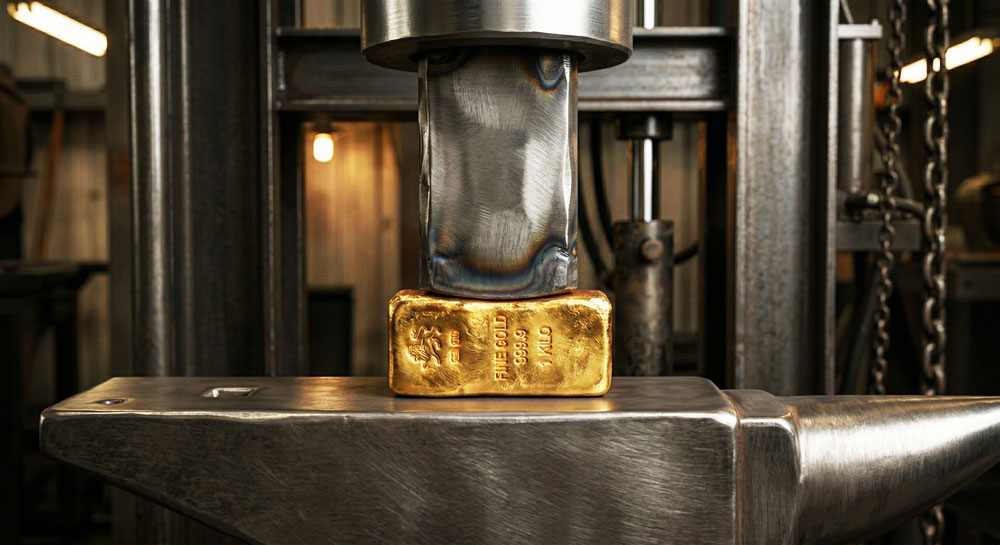
Despite the dollar’s strength, gold has shown notable resilience—a signal that underlying demand remains intact. Central bank buying, particularly from emerging markets, continues to provide a structural floor beneath prices.
Key support drivers include:
- Ongoing central bank accumulation of gold reserves
- Persistent inflation concerns across major economies
- Safe-haven flows during periods of market volatility
Gold is no longer reacting solely to dollar strength; it is increasingly supported by diversification strategies and long-term reserve positioning.
Silver’s Dual Identity
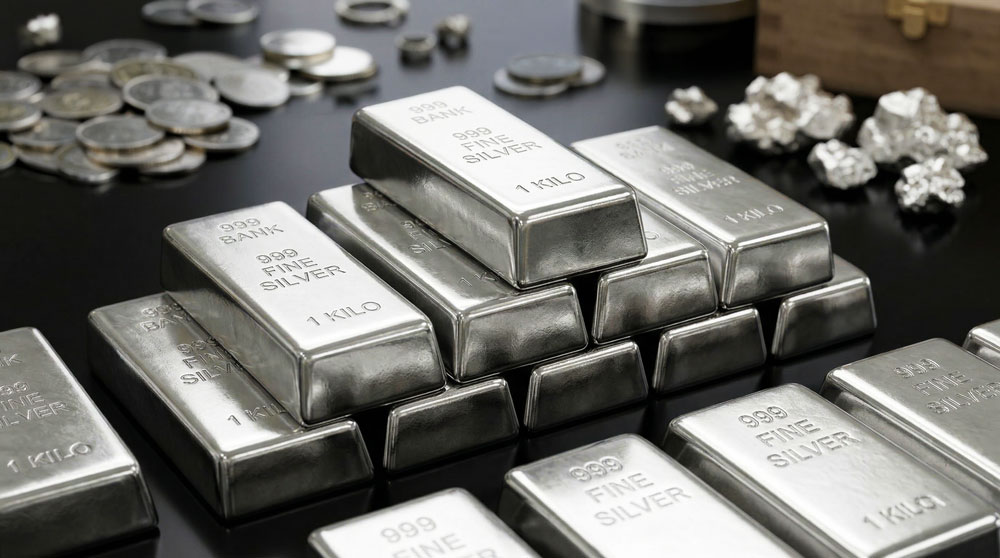
Silver remains more volatile than gold due to its dual role as both a precious and industrial metal. While it benefits from safe-haven demand, it is also highly sensitive to global growth expectations.
In the current environment:
- Industrial demand tied to clean energy and manufacturing offers long-term support
- Slower global growth projections can cap short-term upside
- Price swings tend to be sharper than gold, reflecting mixed demand signals
This makes silver a more tactical trade, often amplifying broader market trends.
Real Yields: The Hidden Driver
One of the most important variables in this equation is real yields—adjusted for inflation. When real yields rise, non-yielding assets like gold become less attractive. Conversely, falling real yields tend to support metal prices.
Current dynamics show:
- Sticky inflation keeping real yields elevated
- Bond market volatility influencing investor positioning
- Increased sensitivity of gold to rate expectations rather than spot inflation alone
This shift highlights a more complex relationship than the traditional inflation hedge narrative.
Global Demand vs Currency Strength
While the dollar remains dominant, global demand patterns are evolving. Countries looking to reduce reliance on dollar reserves are increasing exposure to gold, creating a structural counterbalance.
Emerging trends include:
- Reserve diversification away from dollar-heavy portfolios
- Increased gold purchases by central banks in Asia and the Middle East
- Rising retail investment demand in key emerging markets
This shift does not eliminate the dollar’s influence—but it does dilute its absolute control over metal pricing.
What Traders Are Watching Now

Markets are closely tracking a few key signals that could determine the next move in metals:
- Federal Reserve policy signals and rate trajectory
- U.S. dollar index momentum
- Real yield direction and bond market stability
- Central bank gold purchase data
- Global growth indicators, particularly in China and Europe
A pivot in any of these factors could quickly shift sentiment.
Strategic Positioning in a Split Market
The current environment is not a clear win for either side. Instead, it reflects a fragmented market where both dollar strength and safe-haven demand coexist.
Investors are increasingly:
- Using gold as a hedge rather than a growth asset
- Trading silver more actively based on industrial signals
- Watching macro data closely for short-term positioning opportunities
This creates a more tactical, data-driven approach to precious metals exposure.
MarketMind Insight
The battle between precious metals and a strong dollar is no longer a simple inverse relationship. Structural demand for gold is rising even as monetary policy supports the dollar, creating a more balanced—but less predictable—market. The next decisive move will likely come not from inflation headlines, but from shifts in real yields and central bank strategy.