The New Reality of Oil Markets
Oil markets have entered a phase where sharp price swings are no longer exceptions—they are the baseline. What once moved gradually over months can now shift in days, even hours. The combination of geopolitical friction, supply discipline, and hypersensitive financial markets has created a pricing environment that reacts instantly to both real disruptions and perceived risks.
Crude oil is no longer driven by a single dominant factor. Instead, it sits at the intersection of politics, macroeconomics, and market psychology—making volatility inevitable.
Supply Constraints Are Tighter Than They Appear
Despite headlines suggesting adequate global supply, the margin for error is thin. Spare capacity is concentrated among a small group of producers, primarily within OPEC and its partners.
Key dynamics shaping supply:
- Production discipline: Coordinated output cuts continue to support price floors
- Limited spare capacity: A disruption in one region quickly tightens global supply
- Underinvestment: Years of reduced capital spending have constrained new production growth
This creates a fragile balance where even minor disruptions can trigger outsized price reactions.
Geopolitical Tensions Keep Markets on Edge
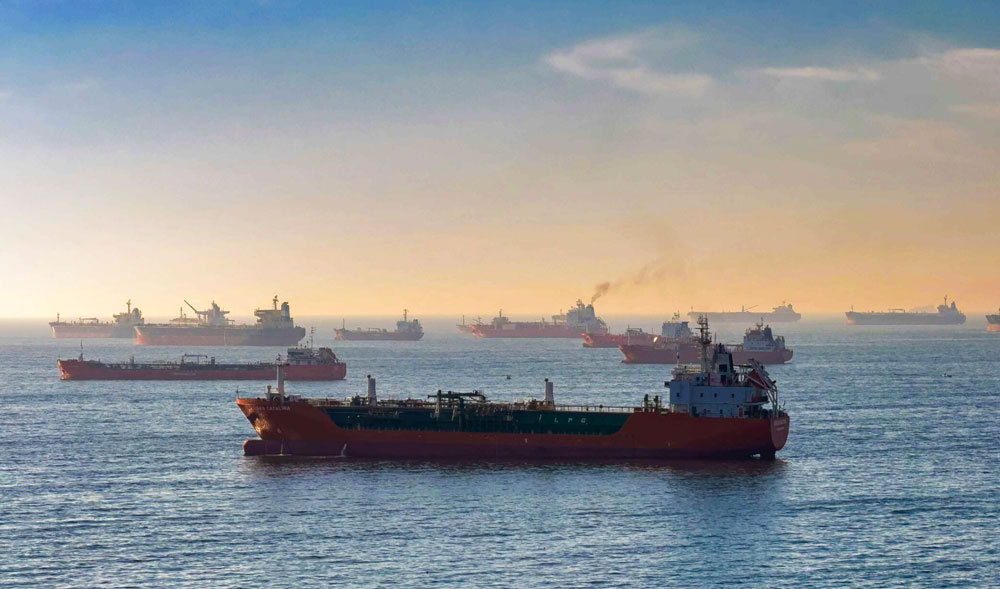
Energy markets remain highly sensitive to geopolitical developments, particularly in key producing and transit regions.
Primary pressure points:
- Middle East instability affecting shipping routes and production confidence
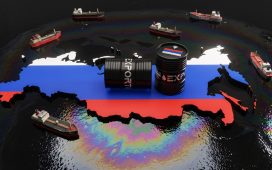
- Russian energy flows reshaped by sanctions following the Russia-Ukraine War
- Shipping disruptions in strategic chokepoints like the Strait of Hormuz
Even when physical supply remains uninterrupted, the risk premium alone can push prices sharply higher.
Demand Is Unpredictable—and Regionally Fragmented
Global demand is no longer moving in sync. Instead, it reflects a split economic landscape:
- Strong consumption in Asia, led by China and India
- Slower industrial demand in Europe, tied to weaker growth
- Resilient U.S. consumption, despite higher interest rates
Short-term shifts in economic data—such as manufacturing output or transportation demand—can rapidly alter price expectations, contributing to volatility.
Financial Markets Amplify Every Move
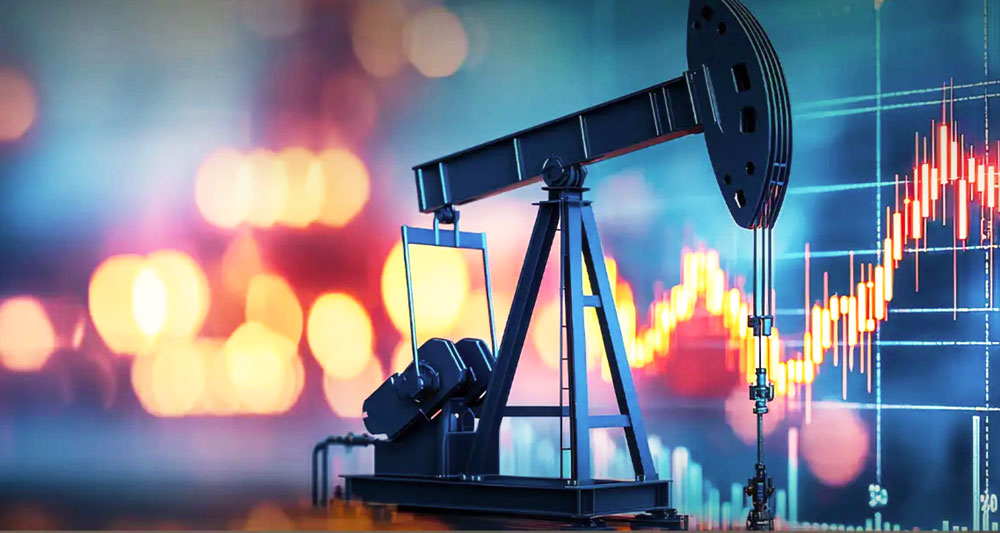
Oil is not just a physical commodity—it is a heavily traded financial asset. This means price swings are often magnified by market positioning rather than fundamentals alone.
Key amplifiers:
- Algorithmic trading reacting instantly to headlines and data
- Speculative positioning in futures markets
- Currency movements, especially the strength of the U.S. dollar
When large funds reposition quickly, price moves can accelerate far beyond what supply-demand changes would justify.
Inventory Levels and Transparency Gaps
Oil inventories act as a buffer—but current levels are less predictable and less transparent than in the past.
- Strategic reserves have been drawn down in recent years
- Commercial inventories vary widely by region
- Data delays and inconsistencies create uncertainty
This lack of clarity increases market sensitivity, as traders react to incomplete information.
The Energy Transition Adds Structural Uncertainty

The long-term shift toward renewables is reshaping investment decisions across the energy sector.
- Oil companies are balancing fossil fuel production with clean energy investments
- Governments are pushing decarbonization policies at varying speeds
- Demand forecasts are becoming less certain over the long term
This creates a paradox: reduced long-term investment in oil can tighten supply in the short term, increasing volatility.
Why Volatility Is Likely Here to Stay
Several structural factors suggest that aggressive price swings will remain a defining feature of oil markets:
- Concentrated supply power among a few producers
- Persistent geopolitical risks in key regions
- Faster financial market reactions to news and data
- Uncertain demand outlook tied to global economic shifts
- Transition-related investment gaps
In this environment, stability requires near-perfect alignment across supply, demand, and geopolitics—something that rarely occurs.
MarketMind Insight
Oil volatility is no longer just about barrels—it’s about timing, perception, and positioning. The market is reacting not only to what is happening, but to what could happen next. For investors and traders, the edge now lies in anticipating shifts before they materialize, not simply responding after prices move.