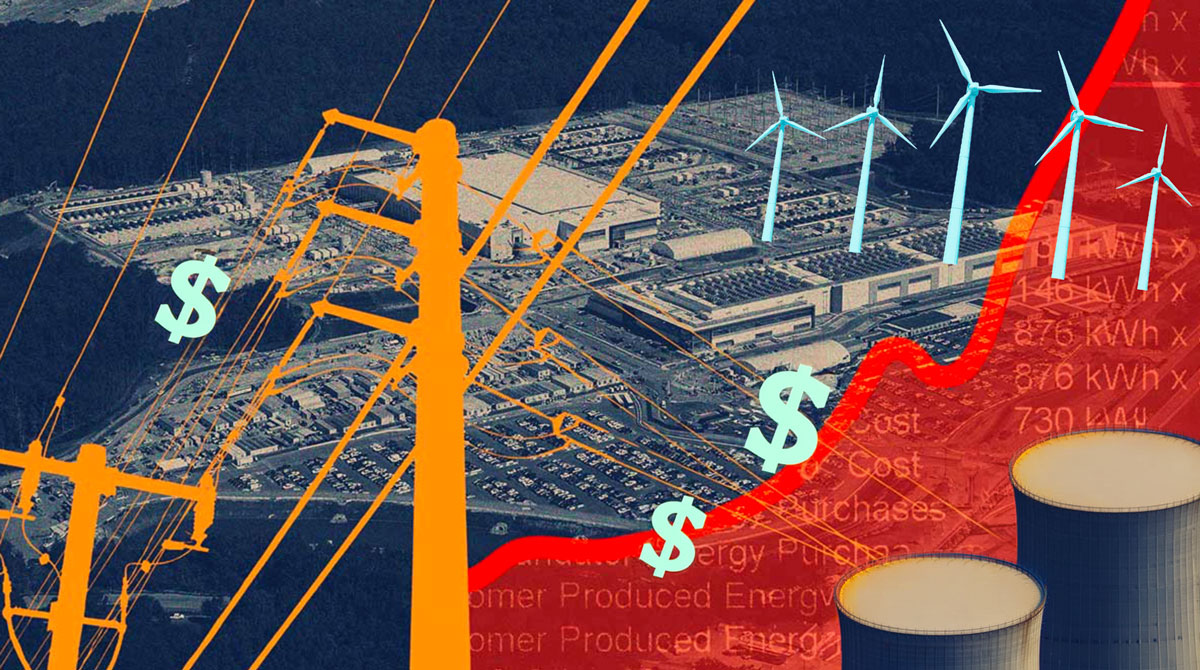
Big Tech’s artificial intelligence boom is no longer just a semiconductor story. It is becoming an energy story, a grid story, and increasingly, a utilities story.
As Microsoft, Amazon, Alphabet, Meta, and other hyperscalers race to secure the computing power needed for AI, the electricity demand behind that expansion is reshaping parts of the market that were once considered slow, defensive, and predictable. Utilities, power producers, grid-equipment suppliers, and nuclear operators are suddenly being pulled into the center of the AI trade.
For investors, the shift is simple but powerful: AI needs data centers, data centers need electricity, and electricity needs generation, transmission, cooling, and reliability. The result is a new class of winners sitting outside the traditional tech sector.
The AI Boom Moves From Chips to Power
The first phase of the AI trade rewarded companies tied directly to computing: chips, servers, cloud infrastructure, and software platforms. The second phase is now moving deeper into the physical economy.
Large-scale data centers require constant, high-capacity power. Unlike some industrial loads that can fluctuate, AI-focused facilities often need reliable electricity around the clock. That makes power availability a competitive advantage, not just an operating cost.
This is where utilities enter the conversation. Regions that can deliver large amounts of dependable electricity are becoming more attractive to hyperscalers. Utilities with strong generation fleets, transmission access, and regulated investment plans are seeing demand profiles that look very different from the flat-growth environment of the past decade.
In plain market terms: boring power companies got invited to the AI party, and they showed up with the extension cord.
Utilities Gain a New Growth Engine

For years, many utilities were valued mainly for dividends, stability, and defensive earnings. AI demand is changing that narrative. Instead of being viewed only as bond-like income vehicles, select utilities are now being re-rated as infrastructure growth plays.
The strongest positioned companies tend to have three advantages:
- Exposure to regions with major data-center development
- Ability to expand generation and transmission infrastructure
- Regulatory structures that allow large capital spending to earn returns over time
That does not mean every utility automatically benefits. The winners are likely to be those that can turn new electricity demand into approved investment, contracted revenue, and long-term customer relationships without creating major affordability problems for households and businesses.
Nuclear Power Reclaims Market Attention
One of the clearest beneficiaries of Big Tech’s energy race is nuclear power. AI data centers need reliable, low-carbon electricity, and nuclear offers something wind and solar cannot provide on their own: steady baseload power.
Constellation Energy has become one of the most visible names in this shift after its agreement with Microsoft tied AI power demand directly to the planned restart of the Crane Clean Energy Center, formerly Three Mile Island Unit 1. The deal highlights how hyperscalers are willing to look beyond traditional renewable contracts when they need firm, around-the-clock electricity.
For markets, this changes the perception of nuclear assets. Existing reactors, life-extension projects, and restart opportunities are no longer being viewed only through the lens of policy or decarbonization. They are being valued as scarce power infrastructure in a world where electricity demand is rising faster than expected.
Grid Equipment Becomes a Bottleneck Trade
The AI energy race is not only about who produces electricity. It is also about who can move it.
Transmission lines, transformers, switchgear, turbines, substations, and grid-control systems are becoming essential pieces of the AI supply chain. This benefits companies such as GE Vernova, Eaton, Quanta Services, and other infrastructure-linked names that help utilities build, modernize, and expand the grid.
As utilities and developers rush to secure generation capacity, the equipment cycle is stretching out. That creates pricing power and longer visibility for manufacturers tied to power infrastructure.
In other words, the bottleneck is not just chips anymore. It is transformers, turbines, transmission, and time.
Natural Gas Stays in the Mix

Despite the focus on clean power, natural gas remains a key part of the AI electricity buildout. Data centers need speed and reliability, and gas-fired generation can often be added or expanded faster than nuclear or major transmission projects.
This creates a complicated market picture. On one hand, Big Tech companies continue to target lower-carbon power. On the other, the urgency of AI demand means gas plants may remain necessary to support grid reliability, especially in fast-growing data-center regions.
That gives gas-exposed utilities and power developers a renewed role. The market is not treating natural gas simply as a bridge fuel anymore; in some regions, it is being treated as a capacity solution for an AI-driven load surge.
The Risk: Higher Power Bills and Regulatory Pushback
The opportunity is real, but it is not risk-free. Rising data-center demand can strain local grids, raise infrastructure costs, and trigger political pushback if residential and small-business customers feel they are subsidizing Big Tech’s expansion.
Regulators will be central to this story. Utilities may want to build more generation and transmission, but those investments often require approval. The key question will be who pays: hyperscalers, ratepayers, shareholders, or some mix of all three.
That is why the best utility stories are likely to be those with clear cost allocation, long-term contracts, and strong regulatory alignment. Growth is attractive, but not if it arrives with public backlash attached.
The New Utility Winners
Big Tech’s energy race is creating several categories of winners:
Regulated utilities in high-growth regions
Companies serving data-center-heavy markets may see stronger load growth, higher capital spending opportunities, and better long-term earnings visibility.
Independent power producers
Operators with nuclear, gas, or large-scale clean-energy assets can benefit from rising demand for firm electricity.
Grid equipment suppliers
Manufacturers of turbines, transformers, switchgear, and electrification hardware are becoming critical to the AI infrastructure buildout.
Transmission and construction firms
Companies that build and upgrade power networks are positioned to benefit as utilities expand grid capacity.
Clean firm-power providers
Nuclear, geothermal, hydro, and advanced energy providers may gain importance as Big Tech searches for reliable electricity with lower emissions.
What This Means for Markets
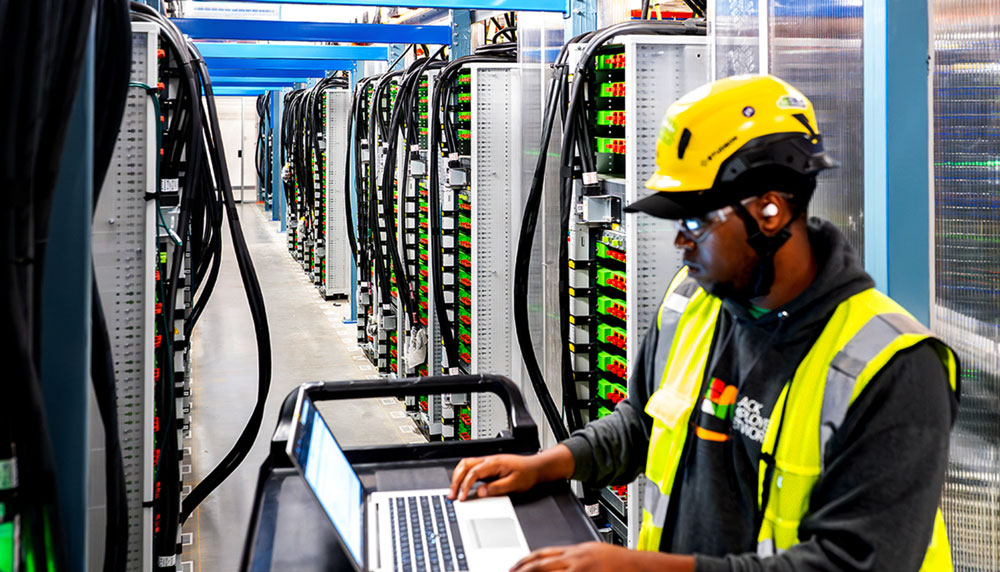
The AI trade is broadening. What started as a growth story concentrated in Big Tech and semiconductors is spreading into energy infrastructure, industrial equipment, and regulated utilities.
That does not mean investors should treat every power company as an AI winner. Valuation, regulation, balance sheets, geography, and execution still matter. But the direction of travel is clear: electricity demand is becoming one of the defining investment themes of the AI era.
For MarketMind readers, the takeaway is that the next stage of AI may not be found only in the Nasdaq’s biggest names. It may also be found in the companies powering the servers, reinforcing the grid, and supplying the infrastructure that makes the digital economy run.
MarketMind Insight – AI’s Hidden Power Trade
Big Tech’s energy race is turning electricity into a strategic asset. The clearest winners will not simply be the utilities with the biggest headlines, but the companies with the right mix of location, generation capacity, grid access, and regulatory support. AI may be digital, but its next market cycle is being built in substations, power plants, and transmission corridors.