Europe’s natural gas strategy is no longer built around finding the cheapest possible supplier. After years of geopolitical disruption, price shocks and emergency diversification, the region is placing greater value on dependable production, secure transportation and suppliers capable of making long-term commitments. That shift has strengthened Norway’s position at the centre of the European energy system.
Norway was the European Union’s largest natural gas supplier in 2025, accounting for 31% of combined pipeline and liquefied natural gas imports. Its share has risen sharply from 24% in 2021, while more than half of EU pipeline imports now originate on the Norwegian continental shelf. Gassco transported 114.9 billion cubic metres of gas to European markets during 2025, demonstrating that Norway’s advantage is not simply the size of its resources. It is the ability to deliver those resources consistently through infrastructure that already connects directly with Europe’s largest markets.
Reliability Has Become a Strategic Asset
Europe remains heavily dependent on imported gas. The EU’s import dependency rate reached 87.6% in 2025, while inland gas demand increased by 2.5%. Renewable electricity is expanding, but natural gas continues to heat buildings, generate flexible power and supply critical feedstock to chemical, fertiliser, glass and manufacturing industries. Europe therefore needs more than spot cargoes that can change destination when prices rise elsewhere. It needs volumes that can be scheduled, delivered and integrated into the existing energy system.
That is where Norway stands apart. Approximately 8,600 kilometres of pipelines connect Norwegian gas fields and processing facilities with receiving terminals in Germany, France, Belgium and the United Kingdom. Unlike LNG, pipeline gas does not require liquefaction, ocean transportation and regasification before entering the European network. LNG remains essential for diversification and emergency flexibility, but Norwegian pipelines provide a dependable foundation beneath that more flexible global supply system.
Norway also operates within the European Economic Area and incorporates much of the EU’s energy legislation. This creates a level of regulatory alignment that is difficult to replicate with more distant exporters. Geography, infrastructure, political stability and shared market rules combine to give Norwegian gas a reliability premium that extends beyond the commodity itself.
Long-Term Contracts Are Returning
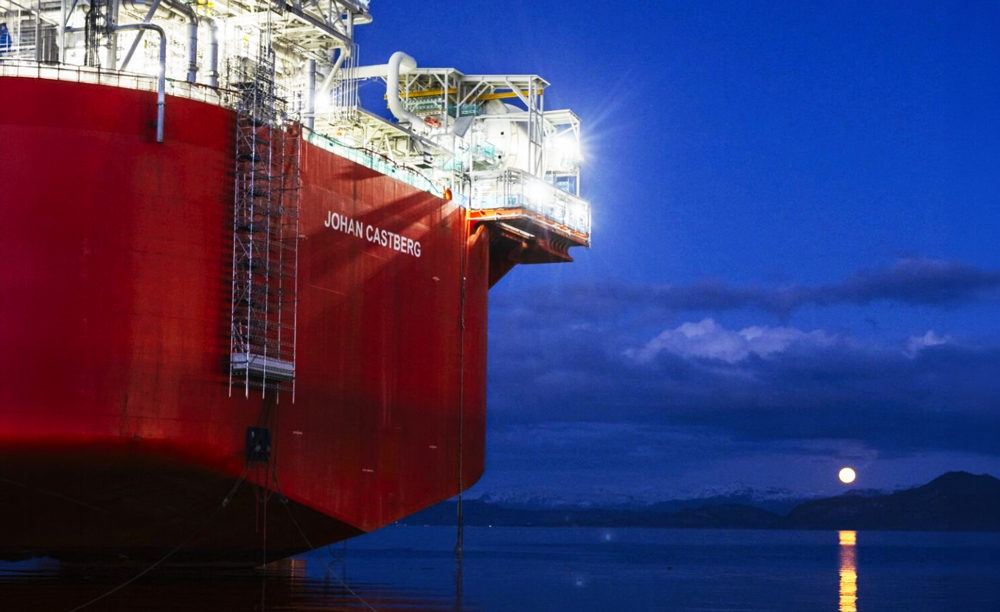
The clearest evidence of Europe’s changing priorities is the return of long-duration supply agreements. In August 2026, Equinor and Germany’s Uniper signed a 15-year contract covering more than 30 terawatt-hours, or approximately 2.8 billion cubic metres, of natural gas annually. Deliveries will begin in 2027 and continue through 2041. The agreement follows other major commitments involving European utilities and industrial groups.
Equinor already has a ten-year contract to supply BASF with as much as 23 terawatt-hours annually, supporting the German company’s European chemical operations. A separate ten-year agreement with Centrica covers approximately five billion cubic metres a year for the United Kingdom. Germany’s state-owned SEFE has secured roughly ten billion cubic metres annually through 2034, with an option to extend the relationship, while additional agreements have been reached with customers in the Netherlands, Germany and the Czech Republic.
These contracts generally reflect market pricing, meaning buyers are not necessarily locking in permanently cheap gas. What they are securing is access to dependable volumes from an established producer. Europe is effectively purchasing availability and predictability—a form of insurance against future supply disruption.
Norway Is Investing to Defend Production
Norway’s gas advantage cannot be maintained without substantial capital. The country’s petroleum-sector investment is estimated at approximately NOK 283 billion in 2026, covering new developments, producing fields, infrastructure and projects designed to improve recovery. Much of this spending is not aimed at creating a dramatic new production boom. It is intended to offset natural decline and keep existing facilities operating at high levels.
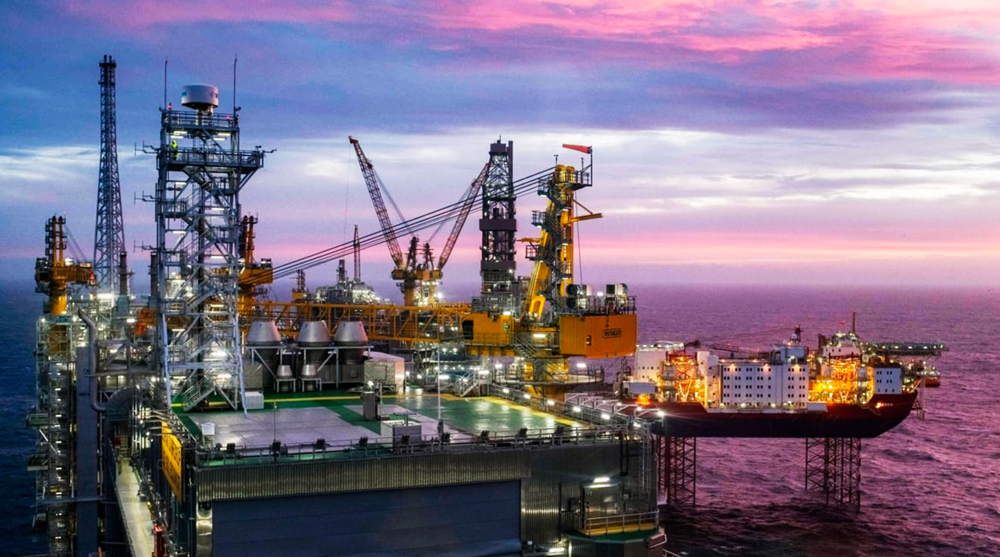
The Troll field illustrates the strategy. Troll contains around 40% of the remaining gas reserves on the Norwegian continental shelf and alone supplies roughly 10% of European gas demand. Production began in August 2026 from the second stage of Troll Phase 3, a subsea development designed to accelerate approximately 55 billion cubic metres of additional gas from the Troll West reservoir. The project reused existing infrastructure and was completed ahead of its original schedule, with an estimated development cost of NOK 12.3 billion.
This is becoming the preferred model across the Norwegian shelf: connect smaller discoveries to established platforms, add subsea wells, upgrade compression and extract more from mature reservoirs. These projects can often be developed faster and with lower costs than entirely new offshore hubs. For Europe, the result is less spectacular than a giant frontier discovery, but far more practical—existing pipelines remain full, processing plants remain active and production declines more gradually.
Pipeline Gas and LNG Play Different Roles
Norway’s growing importance does not mean Europe can rely on a single supplier again. Concentrating too heavily on Norwegian infrastructure would create its own vulnerabilities. Maintenance at a major processing plant or an unexpected outage on the continental shelf can quickly tighten the market and move European gas prices. Norway’s mature fields also cannot expand indefinitely.
The more resilient European model combines Norwegian pipeline gas with LNG import capacity, underground storage, stronger cross-border connections and lower overall consumption. Norwegian gas provides a stable core supply, LNG responds to changing demand and storage helps manage seasonal swings. Each part reduces the pressure placed on the others.
This also explains why Europe continues investing in LNG terminals while simultaneously signing longer Norwegian contracts. The two approaches are complementary. LNG offers optionality; Norway offers continuity. Europe learned the hard way that an energy system needs both.
The Energy Transition Still Needs a Reliable Bridge
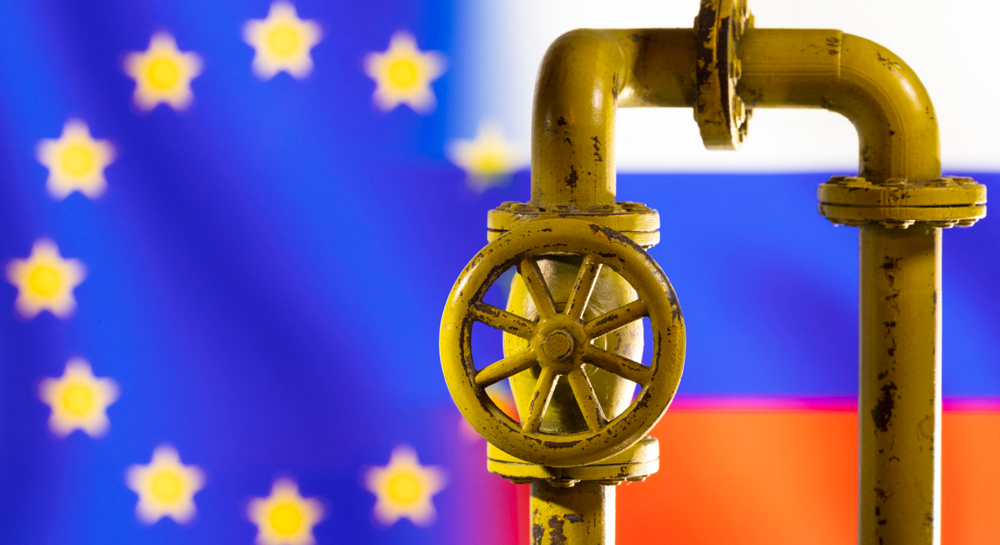
The EU’s legally adopted phaseout of Russian natural gas will progressively remove remaining Russian LNG and pipeline supplies, with the full prohibitions taking effect during 2027. Replacing those volumes while expanding renewable electricity places additional importance on trusted suppliers. Norway is positioned to capture part of that requirement, particularly in Germany, the United Kingdom and Central Europe.
This does not overturn Europe’s decarbonisation strategy. Gas demand can decline over time while reliability becomes more valuable. Wind and solar reduce the amount of fuel required across the year, but dispatchable power remains important when renewable generation falls. Industrial users also require predictable energy and feedstock while lower-carbon alternatives are developed at commercial scale.
Norway is attempting to connect these two periods. Existing platforms and processing facilities are being electrified in selected areas, while the country is also developing carbon transport and storage infrastructure beneath the North Sea. The objective is to preserve its role as an energy partner even as the composition of Europe’s energy system changes.
What It Means for Energy Markets
Norway’s strengthened position supports companies associated with offshore production, subsea development, pipeline maintenance, compression and reservoir optimisation. The opportunity is less about unchecked volume growth and more about extending the productive life of high-quality infrastructure. Long-term contracts can improve visibility for producers and provide the commercial confidence required to approve additional tiebacks and recovery projects.
For European gas markets, Norwegian maintenance schedules and field performance will remain major price variables. The region may be more diversified than it was before the energy crisis, but its dependence on Norwegian flows means even short disruptions can influence storage expectations and benchmark prices. Reliability has become valuable precisely because the consequences of unreliability are now so well understood.
MarketMind Insight
Norway’s natural gas advantage is not based on having unlimited reserves or permanently lower prices. It comes from delivering large volumes through established infrastructure, under predictable rules and with comparatively low geopolitical risk. Europe’s new contracts and Norway’s continued offshore investment show that energy security is becoming a financial asset in its own right.
The larger market shift is clear: Europe is no longer buying gas solely as a commodity. It is investing in the certainty that the gas will arrive. In an energy system increasingly shaped by geopolitical risk and variable renewable generation, dependable supply may be Norway’s most valuable export of all.