
The United Arab Emirates is moving digital assets closer to the centre of global finance. Standard Chartered has launched deliverable Bitcoin and Ether spot trading for eligible institutional clients through its Dubai International Financial Centre branch, becoming the first global systemically important bank to provide the service in the country. The offering allows institutions to trade through familiar electronic foreign-exchange interfaces and settle with a custodian of their choice.
This is more consequential than another bank adding cryptocurrency to its product menu. It gives asset managers, corporations and professional investors a regulated route to own the underlying digital assets through infrastructure connected to an established international bank. The launch also strengthens the UAE’s position as a bridge between traditional finance and the crypto economy—one designed to connect capital from Asia, Europe, the Middle East and Africa.
Crypto Moves Onto Institutional Rails
Institutional investors have never lacked ways to gain exposure to Bitcoin or Ether. They can use exchange-traded funds, futures, options, offshore exchanges and privately managed funds. The persistent problem has been integrating that exposure with the governance, custody, reporting and counterparty standards required by large financial organizations.
Standard Chartered’s UAE service addresses part of that gap. Clients can execute deliverable spot trades through systems resembling those already used by foreign-exchange desks. Unlike a derivative that tracks an asset’s price, a deliverable transaction results in ownership of the underlying Bitcoin or Ether after settlement.
The bank is also allowing clients to select their custodian, including Standard Chartered’s own UAE digital-asset custody service, which launched in 2024. That separation matters because institutions frequently have different requirements for execution, asset storage and risk management. It gives them flexibility without forcing every part of the transaction through a crypto-native exchange.
Why the UAE Was Ready
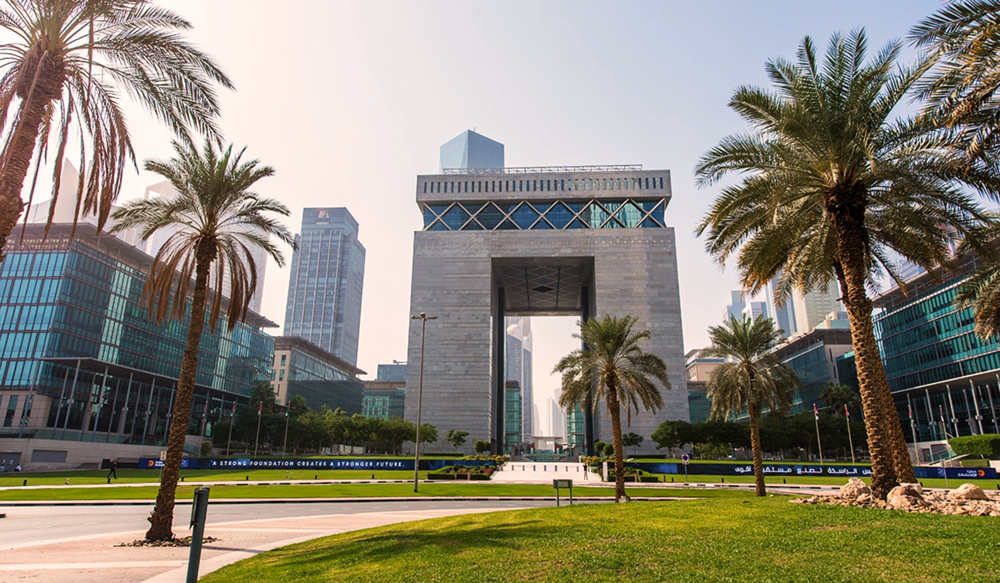
The UAE has spent years building regulated environments for digital-asset businesses rather than trying to fit every activity into one national rulebook. The DIFC has its own financial regulator, Abu Dhabi Global Market maintains a separate digital-asset framework, and Dubai’s Virtual Assets Regulatory Authority supervises much of the industry operating outside the DIFC.
The result can appear complicated, but it also permits regulators to create rules tailored to different financial activities and jurisdictions. Exchanges, custodians, brokers, token issuers and traditional banks can pursue defined authorization routes instead of operating within a prolonged legal grey area.
This regulatory structure does not eliminate risk, nor does it represent blanket approval of every token or business model. Its advantage is that it gives established institutions a clearer basis for deciding what they can offer, which clients they can serve and what compliance controls they must maintain. For banks, that predictability can be more valuable than permissive regulation without dependable enforcement.
A Gateway Between Global Markets
The UAE’s appeal extends beyond crypto-friendly rules. Dubai and Abu Dhabi already connect financial activity across Asian and European business hours, while maintaining deep commercial relationships with India, Africa, the Gulf, Europe and North America. The country is also home to sovereign investment institutions, international banks, family offices, commodity traders and a rapidly expanding asset-management sector.
That combination creates the ingredients for a broader digital-asset ecosystem. A fund can establish a regional operation, access professional services, arrange custody and potentially execute trades without building every connection from scratch. International firms can also use the UAE as a regional base for serving capital pools across the Gulf and surrounding growth markets.
The location is especially relevant for cross-border finance. The region handles substantial flows connected to energy, trade, remittances and private wealth—all areas where stablecoins, tokenized deposits and blockchain-based settlement could eventually become more important than speculative token trading.
Why a Global Bank Changes the Equation
Crypto exchanges can provide sophisticated execution, but many institutions remain more comfortable dealing with regulated banks that already manage their cash, currency exposure and compliance relationships. Bringing Bitcoin and Ether onto familiar banking infrastructure reduces the organizational distance between digital assets and conventional markets.
It may also increase competitive pressure. Other global banks serving the Gulf must now decide whether remaining outside institutional spot trading protects them from risk or leaves them behind an emerging client demand. The response could include direct trading services, partnerships with regulated platforms, expanded custody or products linked to tokenized securities.
Standard Chartered already offered institutional spot trading through its United Kingdom branch before extending the service to the UAE. That progression suggests the bank views the Emirates as part of a wider international digital-assets strategy—not an isolated experiment created solely for local demand.
What It Means for Bitcoin and Ether
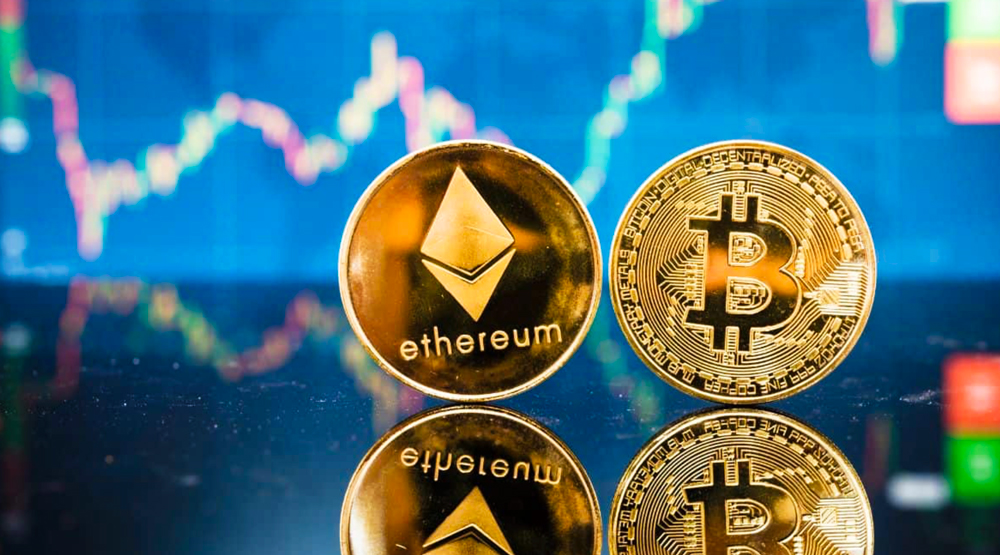
The immediate price impact may be limited. A new trading channel does not guarantee that institutions will suddenly make large allocations, and sophisticated investors already have several ways to access the two assets. The larger effect is structural.
Institutional participation depends on more than enthusiasm about future prices. Investors need reliable execution, secure custody, auditable ownership records, internal approval processes and counterparties that can withstand regulatory scrutiny. Each time those components are added to conventional banking infrastructure, the market becomes easier for cautious capital to enter.
Bitcoin and Ether also benefit from being the first assets supported. Their selection reinforces the institutional market’s continued concentration around the largest and most established crypto networks. Smaller tokens remain far less likely to receive equivalent bank-led access because of thinner liquidity, uncertain classification and greater operational risk.
The Next Stage Is Larger Than Spot Trading
Spot execution is only one layer of a mature institutional market. Large investors also require financing, derivatives, collateral management, lending, hedging and prime-brokerage services. The UAE will become a true global gateway if it can develop these capabilities while maintaining strong standards around market conduct, cybersecurity, sanctions compliance and financial crime.
Tokenization may ultimately be the larger opportunity. The same infrastructure used to trade and safeguard crypto assets can support tokenized funds, bonds, commodities and other real-world assets. For the Gulf—where capital markets, energy trading and sovereign investment already intersect—that could create a financial centre built around both conventional and blockchain-based instruments.
There are still limits. Digital assets trade continuously, while bank risk systems and liquidity arrangements have traditionally been designed around defined operating periods. Institutions must also manage volatile prices, fragmented liquidity, technology failures and rapidly evolving international regulations. The involvement of a major bank reduces certain risks; it does not make the asset class conventional overnight.
MarketMind Insight
The UAE is not becoming a crypto gateway simply because it welcomes digital-asset companies. Its stronger advantage is the construction of regulated connections between those companies and the traditional financial system.
Standard Chartered’s launch turns that strategy into usable market infrastructure: institutional clients can trade deliverable Bitcoin and Ether through familiar banking channels, connect execution with professional custody and operate within a recognized financial jurisdiction. That may not produce an immediate wave of buying, but it lowers the barriers that have kept many institutions on the sidelines.
The Gulf’s next financial advantage could come from serving as the meeting point between conventional capital and tokenized markets. If the UAE can combine regulatory clarity, global banking access and deep regional wealth without weakening compliance, it will be positioned to influence not just where crypto is traded, but how institutional digital finance develops worldwide.