

Government bonds are sending an increasingly expensive message: lenders want more compensation for inflation, uncertainty and the growing demands on their money. On October 1, the US 10-year Treasury yield touched 5.34%, its highest since 2002, while Britain’s 30-year borrowing costs reached 6% for the first time since 1998. These are market yields rather than central bank policy rates, but they help determine what governments, businesses and households pay to borrow.
The pressure extends across major economies, although the reasons differ. Inflation is challenging the purchasing power of future repayments, resilient growth is weakening the case for easier monetary policy, and public debt is making investors examine government finances more closely. Together, those forces are raising the price of long-term capital.
Inflation Keeps Moving the Goalposts
A conventional government bond promises payments in nominal money. Inflation reduces what those payments can buy, so investors generally demand a higher yield when they expect purchasing power to erode more quickly. That adjustment pushes down the price of existing bonds whose fixed payments have become less attractive.
Energy is again central to the current repricing. Rising oil prices and the conflict involving Iran have renewed concerns about inflation. The risk reaches beyond petrol stations: expensive energy can increase transport, manufacturing and operating costs, making a sustained return to price stability harder to achieve.
The policy consequence matters as much as the immediate increase in prices. If inflation remains persistent, central banks have less room to lower interest rates. Bond investors therefore have to reassess how much income they need to hold securities that mature years into the future.
Strong Growth Can Be Bad News for Bonds

Economic resilience creates a second source of pressure. A stronger economy can support employment, business investment and tax revenues, but it also reduces the urgency for central banks to provide cheaper financing. Recent US growth revisions have reinforced that resilience, even as inflation data offered some relief.
That helps explain why an encouraging economic report can coincide with falling bond prices. Investors may welcome the growth while concluding that interest rates will remain elevated for longer. The same news can improve the outlook for corporate earnings and weaken the appeal of bonds issued at lower yields.
Investment in artificial intelligence adds another layer. Data centres and related infrastructure require substantial financing. Recent reporting identifies that investment boom as a contributor to stronger growth expectations and greater competition for capital. Its significance for bonds is practical: governments are seeking funding in a market where large businesses also need investors’ money.
Public Debt Raises the Stakes
Inflation and growth help explain the expected path of interest rates. Public debt raises a different question: how much compensation should investors require to finance governments over the long term?
The IMF’s April 2026 Fiscal Monitor estimated that global public debt stood just below 94% of GDP in 2025. It projected that debt would reach 100% by 2029, with major economies driving much of the accumulation. Those are dated estimates and projections, but they show the fiscal backdrop against which the current selloff is unfolding.
The burden develops gradually. Higher market yields do not immediately change the interest rate on every outstanding fixed-rate bond. They become more expensive as governments issue new debt and replace maturing obligations. More revenue then goes towards servicing debt, leaving less room for other priorities unless taxes rise, spending falls or growth strengthens.
Canada illustrates that distinction. Its latest published fiscal figures showed a smaller deficit over the first four months of the 2026–27 financial year, yet public debt charges increased 7.4%. An improving budget balance can coexist with a rising interest bill.
Europe’s Common Pressure, Different Vulnerabilities
European borrowers share exposure to inflation and international interest-rate moves, but investors also distinguish between their fiscal positions. France’s 10-year borrowing costs have reached their highest level since 2002, while the gap over comparable German yields has widened to levels associated with the euro-area debt crisis.
That gap matters because it measures the additional return investors demand to hold French debt rather than German debt. A rise in both countries’ yields can reflect common pressures. A widening spread signals that investors are also reassessing the relative risks.
Britain’s elevated long-term yields similarly increase the importance of credible budgeting. The central issue is how spending commitments, revenues and refinancing needs fit together when borrowing costs are much less forgiving.
Japan Faces Its Own Adjustment
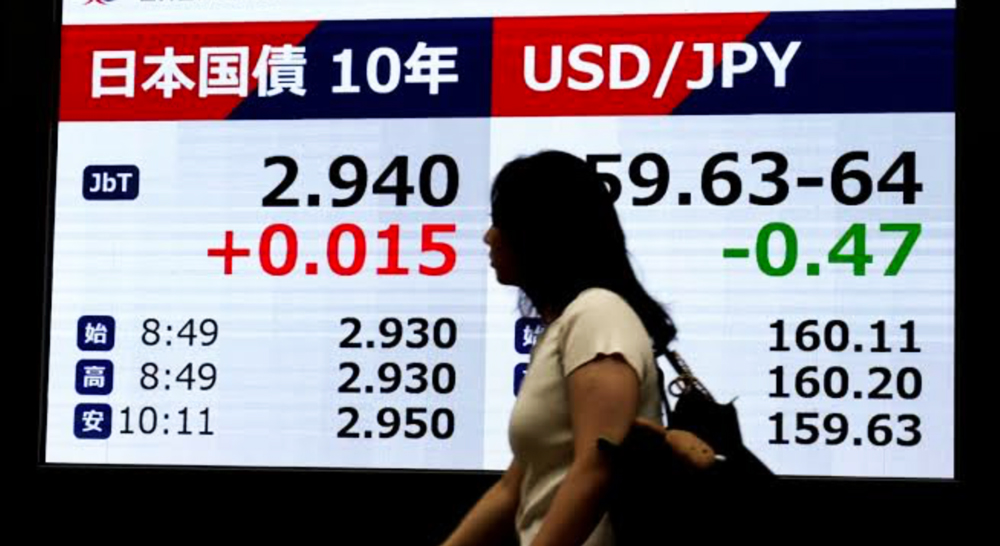
Japan’s bond market combines the global pressure with a domestic shift in monetary policy. An October 1 summary of the Bank of Japan’s September meeting showed that policymakers had debated the need for further rate increases as underlying inflation approached or reached the 2% target.
The same summary revealed government concern about the cumulative economic effects of earlier increases. That tension captures the challenge: containing inflation requires attention to interest rates, while higher financing costs also affect growth and public spending.
Japan therefore belongs in the global bond story without being a carbon copy of the United States or Europe. Its inflation outlook and policy adjustment create their own reasons for investors to reconsider yields.
The Cost Travels Beyond Governments
Government bond yields provide reference points for financing throughout the economy. Corporate borrowers typically pay a benchmark yield plus an additional spread for credit and liquidity risk. A higher benchmark can increase their financing costs even when investors’ assessment of the business remains unchanged.
The effects depend on timing. Companies and households with existing fixed-rate borrowing may have breathing room. Those seeking new financing or refinancing maturing debt encounter the repricing sooner. That makes the calendar of repayments as important as the headline level of yields.
For investors, higher yields offer more income on new purchases, alongside the risk that further increases reduce market prices. A government bond’s credit quality does not eliminate its sensitivity to interest-rate changes.
MarketMind Insight
The global selloff reflects several forces acting together, rather than a single verdict on the economy. Strong growth can support higher yields because monetary easing becomes less urgent. Persistent inflation can raise them because future payments lose purchasing power. Fiscal pressure can add another demand for compensation.
Our reading is that durable relief requires progress across those forces. A softer inflation release can help, but lasting confidence also depends on the policy outlook and the credibility of public finances. Until those improve together, governments and businesses face a financing environment where dependable access to capital comes at a higher price.