
The British pound sits at the intersection of inflation dynamics, monetary policy, and global capital flows. After several years of elevated price pressures and aggressive interest-rate tightening, the United Kingdom has entered a delicate phase in which inflation is gradually easing but remains vulnerable to external shocks. For currency markets, this environment creates a narrow path for sterling—one shaped by the Bank of England’s policy decisions, the resilience of the UK economy, and the broader global inflation cycle.
Inflation Pressures and the Pound
Inflation has been one of the defining macroeconomic forces for the UK in recent years. Consumer price inflation stood around 3.4% toward the end of 2025, remaining above the Bank of England’s 2% target. Current projections suggest inflation could move closer to target during 2026, with estimates placing it around 2.2–2.3% by the end of the year if current trends continue.
However, inflation rarely follows a smooth trajectory. Energy price volatility and shifts in global commodity markets can quickly push costs higher. Recent increases in oil and gas prices have revived concerns that inflationary pressures could return, potentially forcing central banks—including the Bank of England—to reconsider how quickly they reduce interest rates.
For sterling, inflation creates a complex dynamic.
- Higher inflation can weaken a currency by reducing purchasing power.
- Higher interest rates used to control inflation can strengthen a currency by attracting global capital seeking yield.
The ultimate impact depends on how decisively policymakers respond to inflation risks.
The Bank of England’s Policy Balancing Act
Monetary policy remains the most powerful driver of sterling’s trajectory. After aggressive tightening earlier in the decade, the Bank of England gradually reduced its benchmark interest rate to around 3.75% by late 2025 as inflation began to cool.
Markets generally expect a cautious easing cycle. Many forecasts anticipate the policy rate moving toward roughly 3–3.5% through 2026, depending on inflation data and economic conditions.
This cautious stance reflects a central-bank dilemma:
- Cutting rates too quickly could reignite inflation pressures.
- Holding rates too high for too long could slow economic growth and weaken domestic demand.
If inflation proves persistent, higher-for-longer interest rates could support the pound relative to currencies where rate cuts arrive sooner. However, if growth weakens significantly, sterling could face downward pressure.
Growth, Employment, and Domestic Economic Signals
Beyond inflation itself, the broader UK economic outlook will shape sterling’s performance. Economic growth projections for 2026 remain modest, with estimates suggesting around 1.1% GDP expansion as households and businesses adjust to higher borrowing costs.
Slower growth typically weighs on a currency because it reduces investment inflows and weakens productivity expectations. Rising unemployment or declining consumer spending could amplify that pressure.
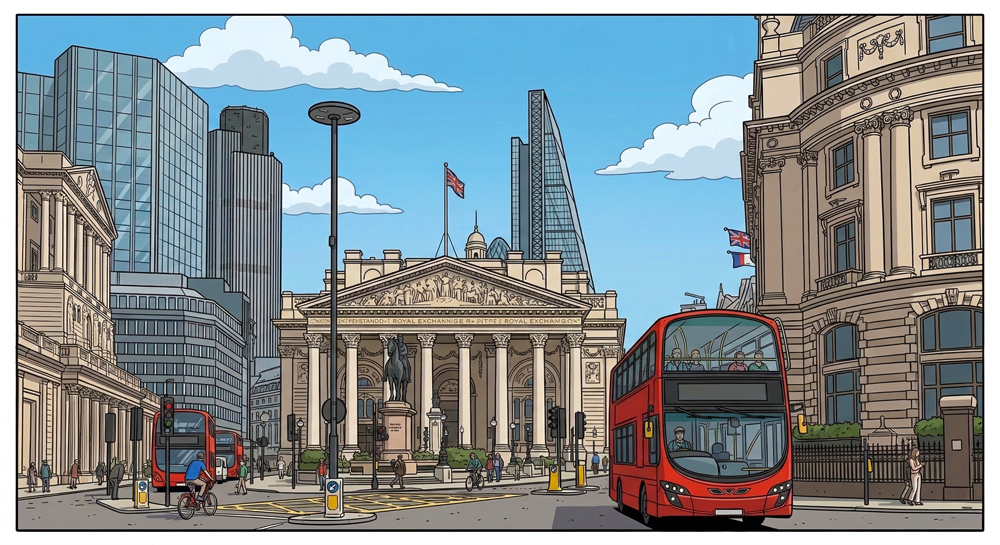
At the same time, the UK retains structural advantages that often support the pound. London remains one of the world’s leading financial centers, and sterling continues to be one of the most actively traded currencies globally. These factors can help stabilize the currency even during periods of slower domestic growth.
External Forces: Energy, Trade, and Global Capital
Sterling’s trajectory is also heavily influenced by global conditions.
Energy prices
The UK’s reliance on imported energy means inflation can quickly rise when global oil and gas prices spike. Higher energy costs feed directly into household bills and industrial production expenses.
Interest-rate differentials
Currency markets closely monitor the gap between UK interest rates and those of major economies such as the United States and the eurozone. If UK rates remain comparatively higher, sterling can benefit from increased capital inflows.
Global risk sentiment
During periods of heightened uncertainty, investors often move toward traditional safe-haven currencies such as the US dollar or Swiss franc. In these moments, sterling can weaken even if domestic conditions remain relatively stable.
Currency Outlook for 2026
Market forecasts generally expect sterling to trade within a moderate range during 2026. Many projections place GBP/USD roughly between 1.35 and 1.47, with mid-range estimates clustering around 1.36–1.40 toward the end of the year.
This outlook reflects a balance between competing forces.
Supportive factors
- Relatively high UK interest rates compared with some peer economies
- Stable financial markets and strong capital inflows into London
- Inflation gradually moderating toward the Bank of England’s target
Downside risks
- Weak economic growth and fragile consumer demand
- Renewed inflation pressures driven by energy prices
- Political or fiscal uncertainty affecting investor confidence
The Strategic View for Traders
For currency traders and global investors, sterling remains a policy-sensitive currency. In a high-inflation environment, markets tend to react quickly to changes in Bank of England messaging, inflation data releases, and energy price movements.
Key indicators to monitor include:
- UK CPI inflation trends
- Bank of England rate decisions and policy guidance
- Global energy prices and commodity markets
- UK wage growth and labor-market data
- Interest-rate differentials with the United States and eurozone
MarketMind Insight
Sterling’s trajectory in a high-inflation environment ultimately hinges on policy credibility. If the Bank of England maintains disciplined monetary policy while inflation gradually returns toward target, the pound could remain relatively stable. But in currency markets shaped by rapidly shifting inflation expectations, even small surprises in price data or central-bank guidance can quickly redefine sterling’s path.