

The United States has undergone a fundamental energy transformation over the past decade, moving from a net importer of natural gas to one of the world’s dominant LNG exporters. This shift has been driven by the shale revolution, massive upstream investment, and the rapid buildout of liquefaction infrastructure along the Gulf Coast. As export terminals scale and long-term contracts expand into Europe and Asia, U.S. natural gas is no longer insulated within domestic borders—it is actively competing in a global marketplace.
This evolution is reshaping how energy is priced at home. What was once a relatively stable, supply-driven domestic system is now influenced by international demand cycles, geopolitical disruptions, and seasonal imbalances abroad. The result is a more interconnected—and more complex—pricing environment where American consumers, utilities, and industries are increasingly exposed to global energy dynamics.
From Domestic Supply to Global Pricing
For decades, U.S. natural gas pricing was largely dictated by domestic production levels, storage inventories, and seasonal demand. The shale boom unlocked vast reserves, creating a prolonged period of low-cost energy that supported industrial growth and consumer affordability.
That foundation is now evolving into a globally integrated model:
- U.S. gas competes directly with LNG supply from Qatar, Australia, and other exporters
- Pricing signals increasingly reflect international benchmarks rather than purely domestic conditions
- Export capacity acts as a bridge between U.S. supply and higher-priced global markets
As LNG volumes increase, domestic prices are no longer capped by local oversupply. Instead, they are influenced by where global demand is strongest—particularly during periods of energy stress in Europe or peak consumption in Asia.
How Exports Raise Domestic Costs
The relationship between LNG exports and domestic prices is not theoretical—it operates through clear and measurable supply dynamics. Every cargo exported represents gas that is no longer available for domestic consumption, tightening the balance between supply and demand.
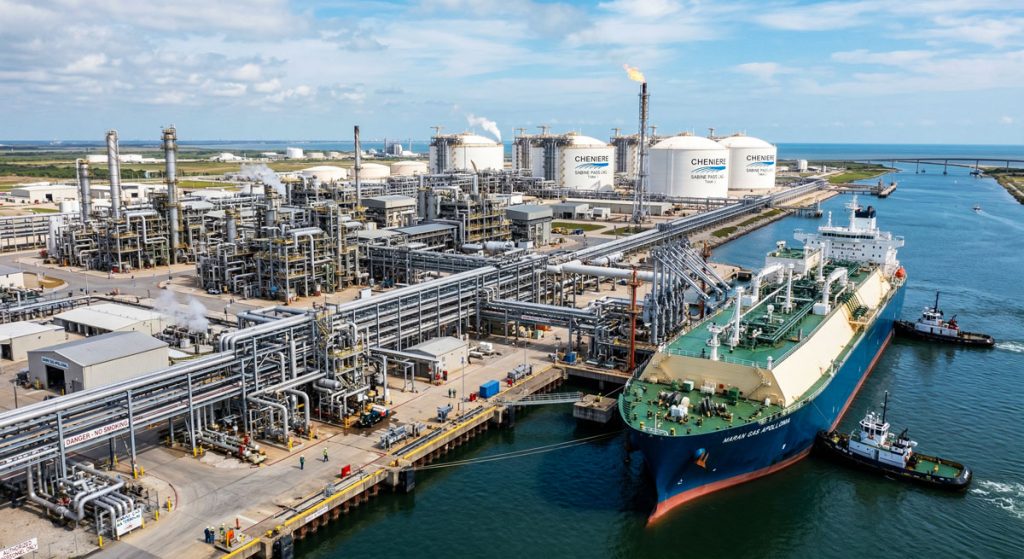
This creates several layers of price transmission:
- Physical supply reduction: Exported gas directly reduces domestic availability
- Market linkage: U.S. prices begin to track global LNG benchmarks more closely
- Arbitrage incentives: Producers prioritize exports when international prices exceed domestic levels
- Volatility importation: External shocks—such as weather events or geopolitical disruptions—feed into U.S. pricing
While the U.S. retains structural advantages in production, these mechanisms ensure that domestic prices increasingly reflect global conditions rather than remaining isolated.
Impact on Households and Industry
The domestic effects of LNG exports are uneven, with different sectors experiencing varying degrees of pressure depending on their exposure to energy costs.
Households:
- Gradual increases in heating and electricity bills as natural gas prices rise
- Greater exposure to winter price spikes and global demand surges
- Indirect cost increases through higher transportation and goods pricing
Industrial users:
- Rising feedstock costs for sectors such as petrochemicals, fertilizers, and steel
- Erosion of the U.S. cost advantage that once stemmed from ultra-cheap natural gas
- Increased sensitivity to global energy cycles
Energy producers:
- Higher realized prices and improved margins
- Stronger incentive to expand production and secure export contracts
- Greater integration into global energy trade flows
The net effect is a redistribution of economic benefits—favoring producers and exporters while increasing cost pressures on consumers and industrial users.
Infrastructure Bottlenecks and Regional Disparities
The impact of LNG exports is further shaped by infrastructure constraints within the United States. Despite abundant supply, the ability to move gas efficiently across regions remains uneven.
Key limitations include:
- Pipeline bottlenecks that restrict supply flows between producing regions and demand centers
- Concentration of LNG export terminals along the Gulf Coast, intensifying regional demand
- Storage and grid limitations that affect how quickly supply can respond to price signals
These factors create localized pricing differences, where certain regions may experience sharper increases even when national production levels remain high.
Energy Security vs. Global Leadership
The rapid expansion of LNG exports has introduced a complex policy balancing act. The U.S. is simultaneously pursuing energy dominance on the global stage while managing affordability and stability at home.
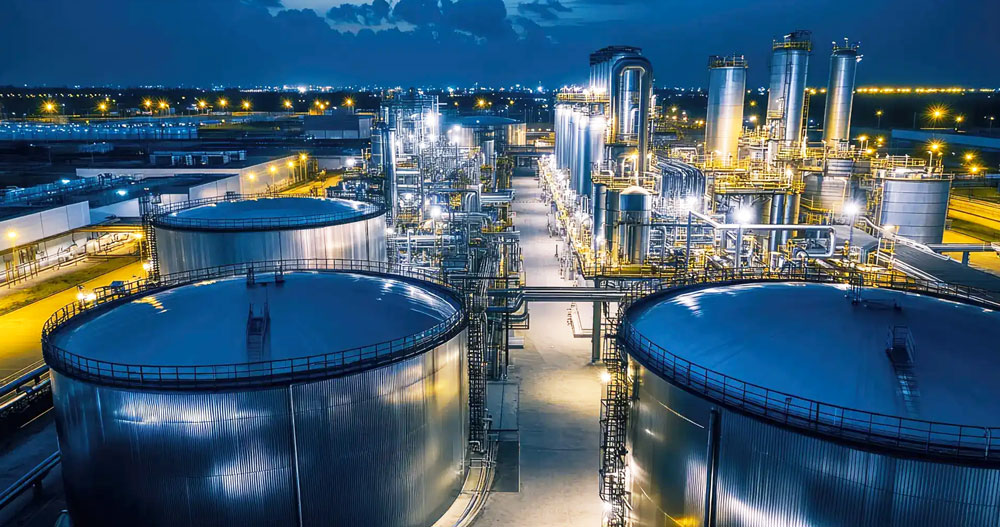
Policy considerations include:
- Supporting allies with reliable LNG supply during periods of global disruption
- Maintaining domestic energy affordability for households and businesses
- Preserving industrial competitiveness in energy-intensive sectors
- Evaluating the pace and scale of future export approvals
This tension is becoming more pronounced as export capacity grows, forcing policymakers to weigh long-term strategic benefits against short-term domestic impacts.
Can Production Keep Up?
In theory, higher prices should stimulate increased production, helping to offset the supply removed by LNG exports. The U.S. shale sector remains one of the most responsive in the world, capable of scaling output relatively quickly compared to conventional energy systems.
However, several constraints limit this response:
- Capital discipline among producers prioritizing returns over aggressive expansion
- Infrastructure development timelines for pipelines and export facilities
- Regulatory and environmental hurdles affecting project approvals
As a result, supply growth often lags behind demand surges, allowing price pressures to persist—particularly during periods of strong global demand.
A Market in Transition
The U.S. natural gas market is undergoing a structural transformation from a domestically insulated system to a globally integrated one. This transition introduces new dynamics that are still being fully understood by markets and policymakers alike.
Emerging characteristics include:
- Increased price volatility tied to global energy events
- Stronger correlation between U.S. and international gas markets
- A shifting balance of economic benefits across sectors
What was once a stable, localized market is now part of a broader global energy ecosystem—bringing both opportunity and complexity.
MarketMind Insight
LNG exports have redefined the role of U.S. natural gas, turning it into a globally traded commodity with far-reaching domestic implications. The challenge ahead is not reversing this shift, but managing it—ensuring that export growth, supply expansion, and policy frameworks evolve in tandem to maintain both global relevance and domestic stability.